




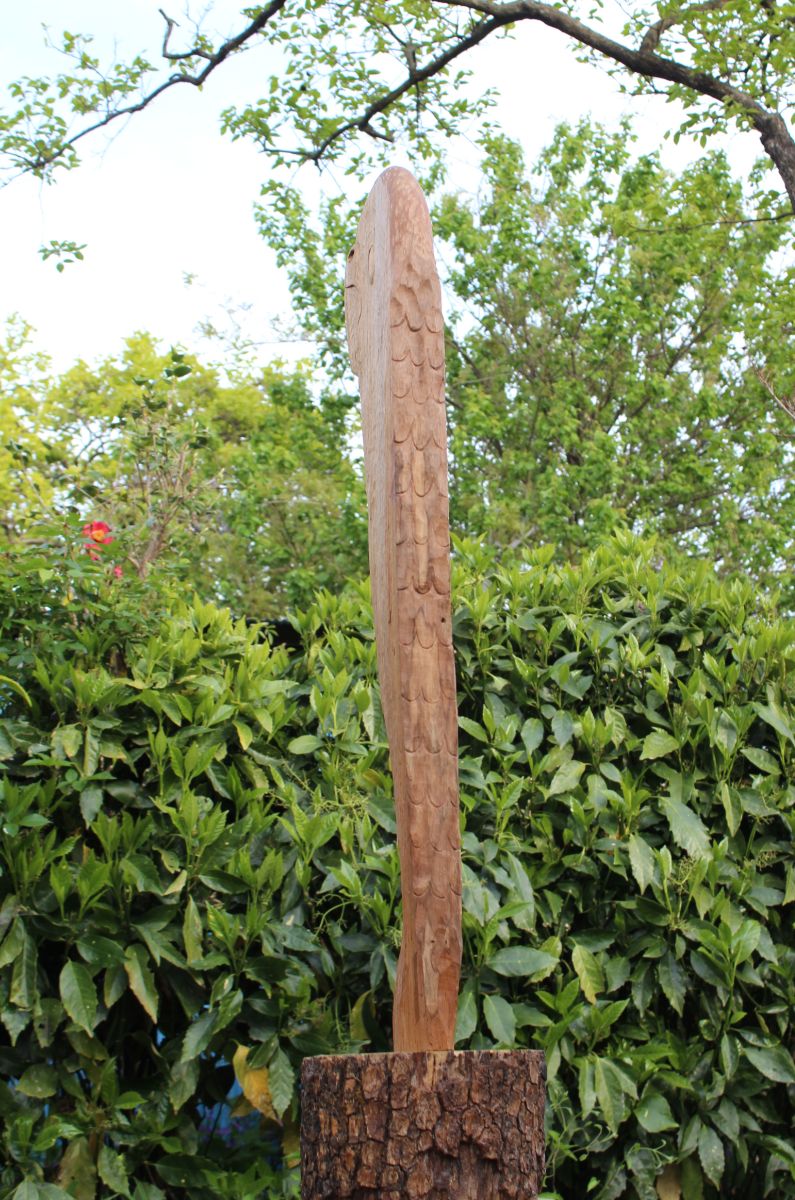

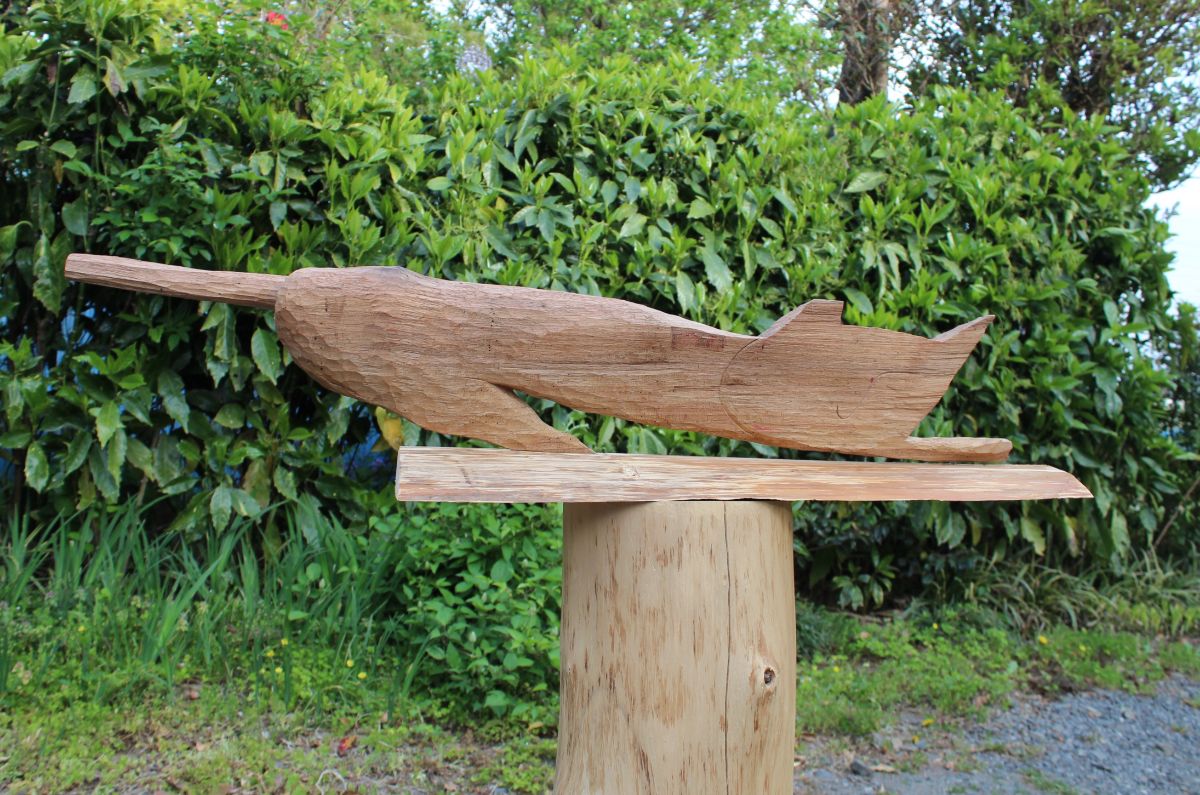
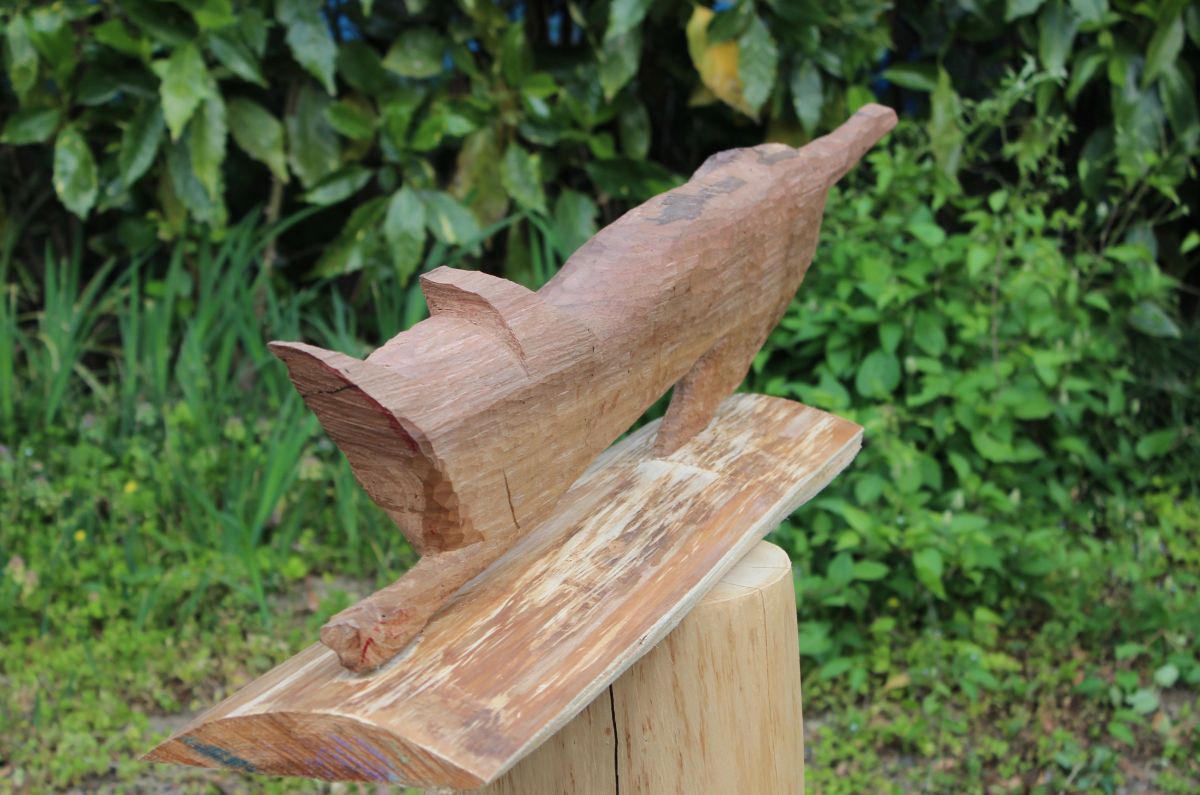
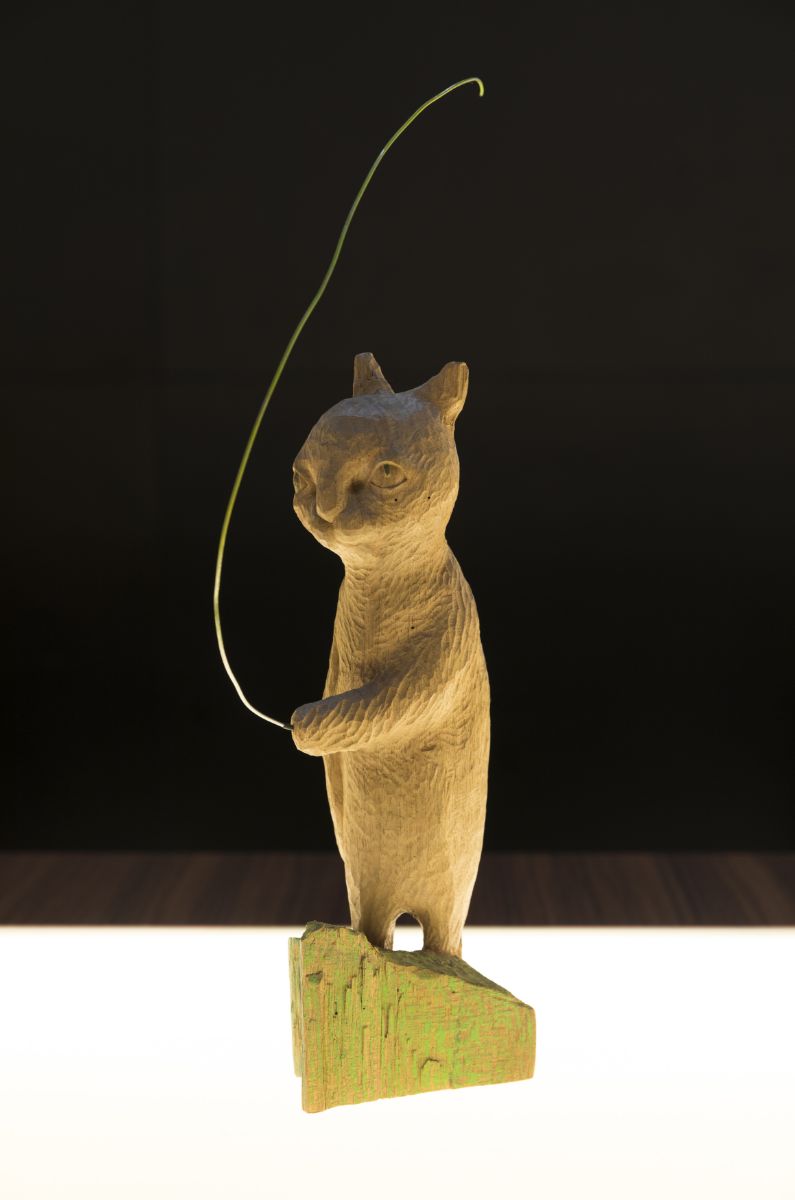






















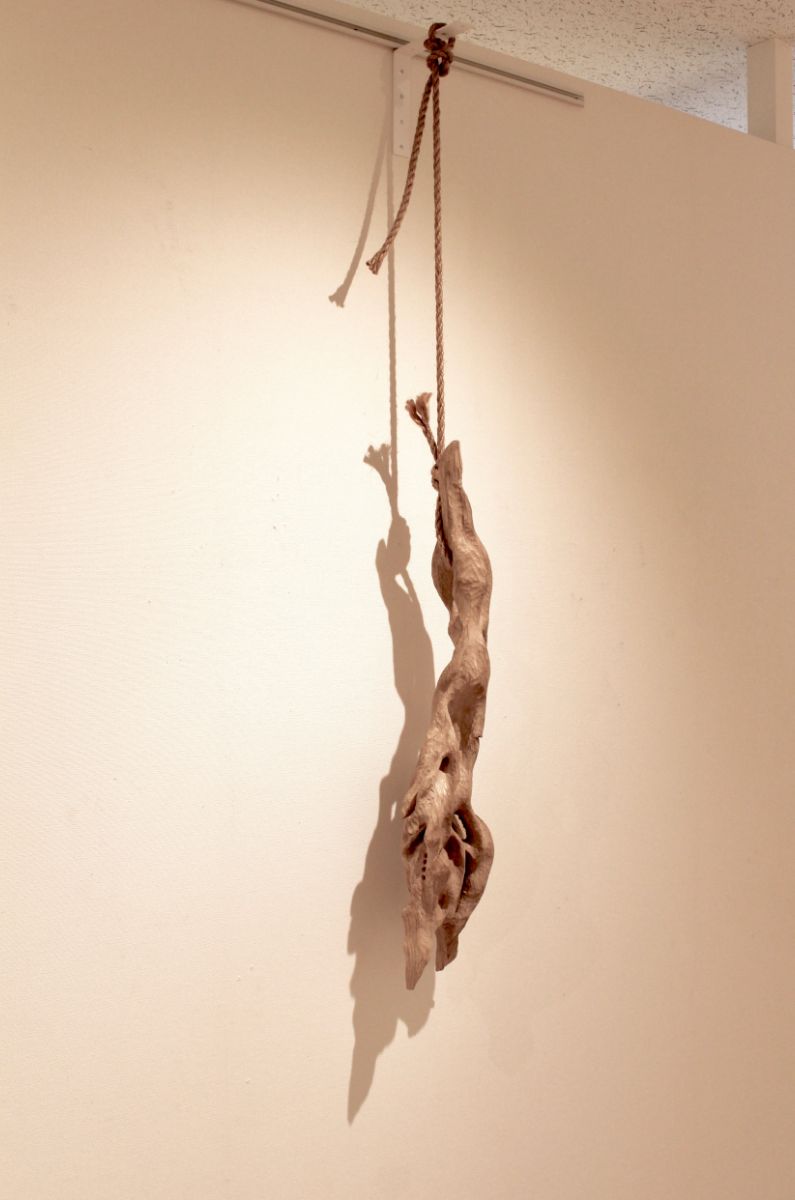
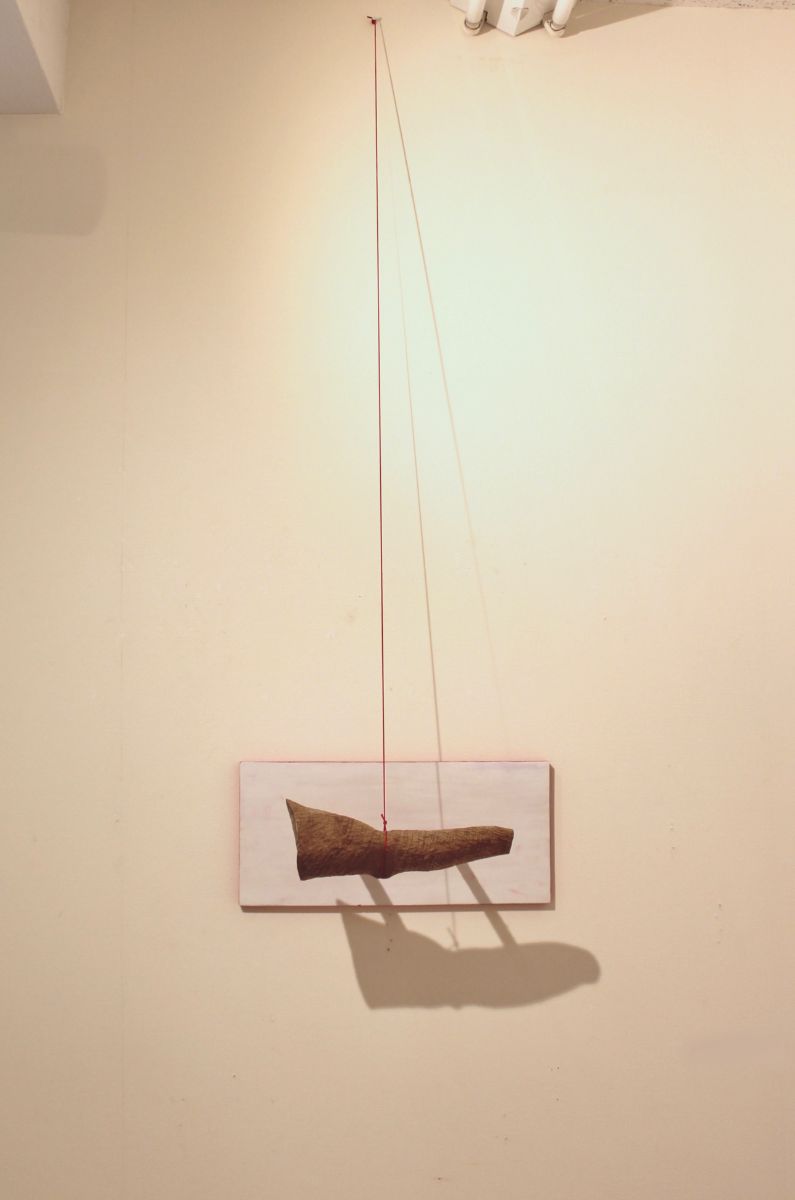


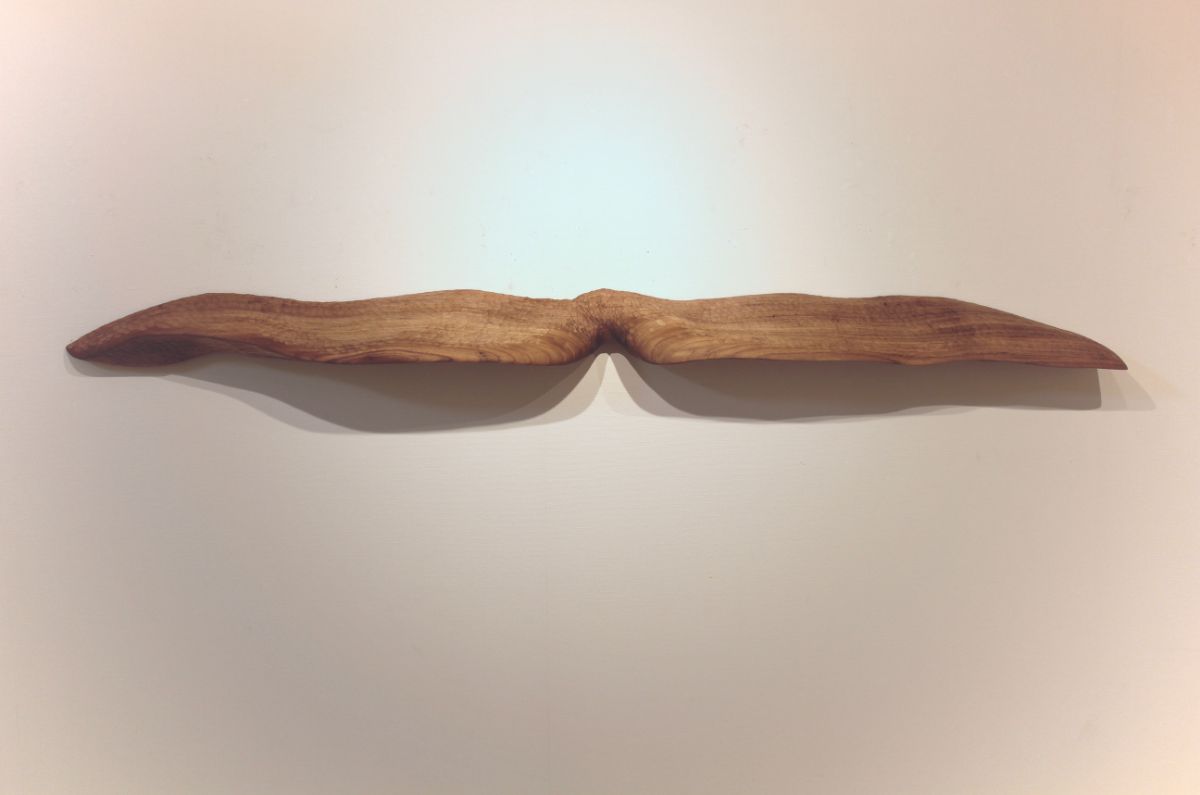

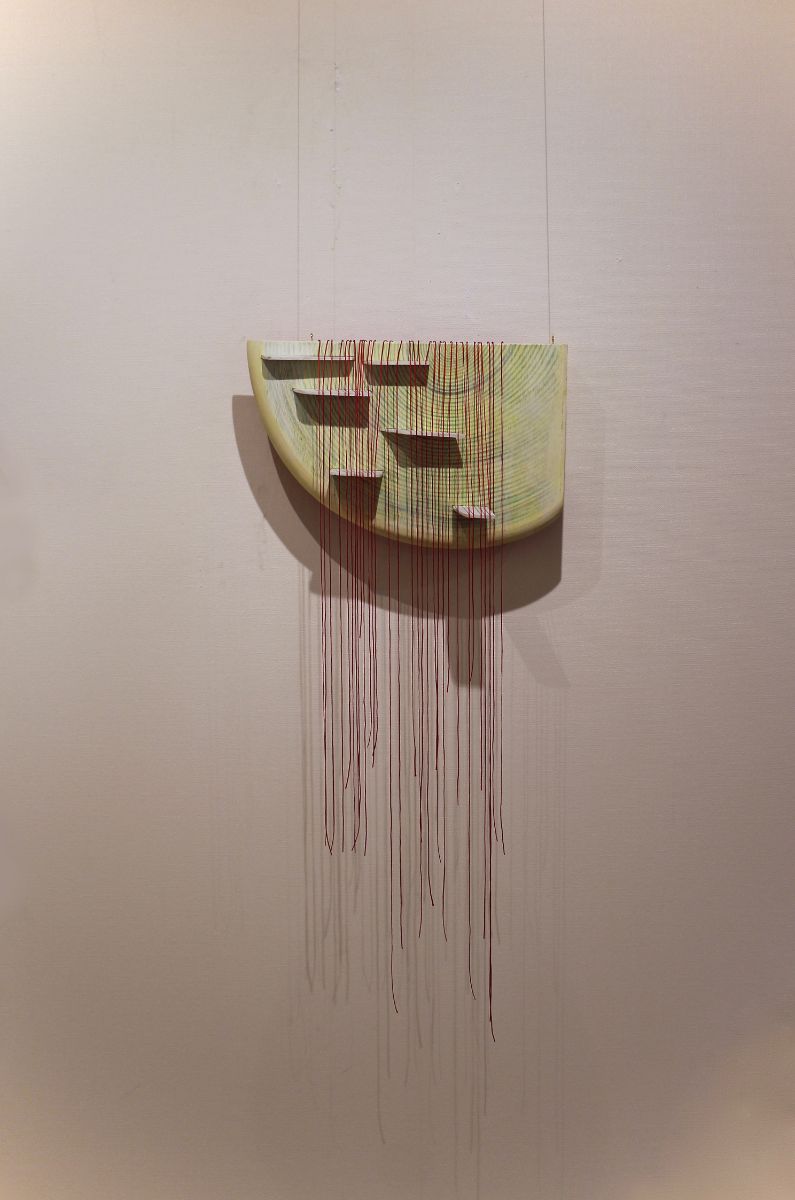
























柳 早苗


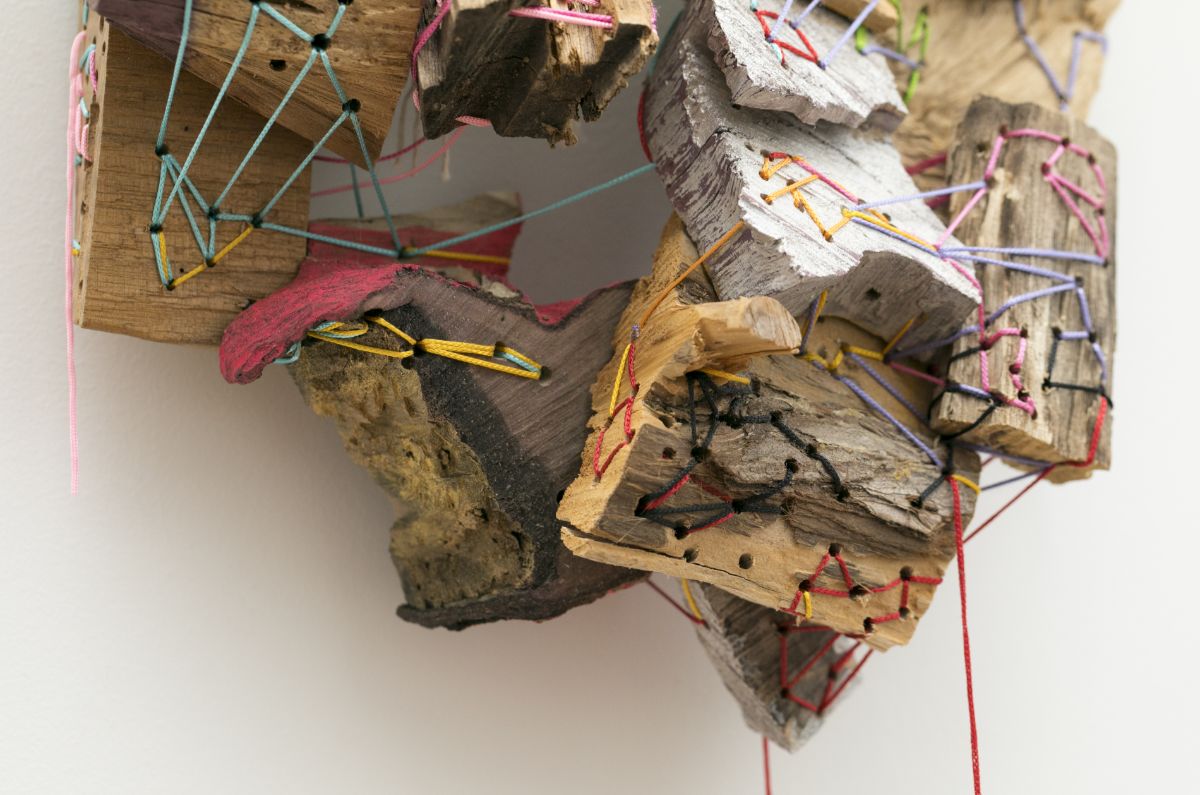

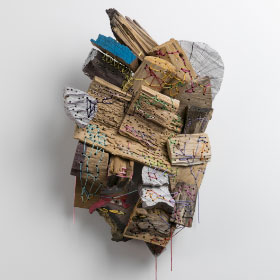
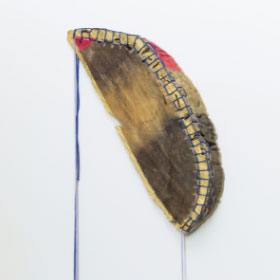
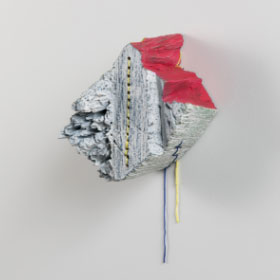
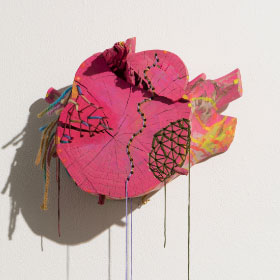
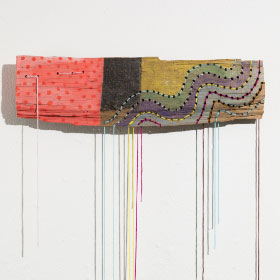
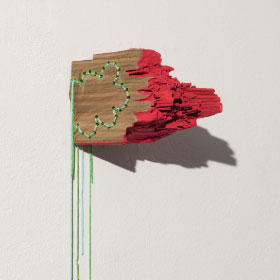
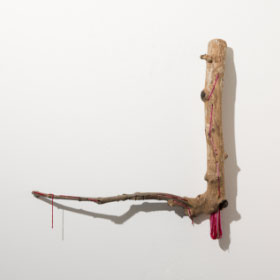
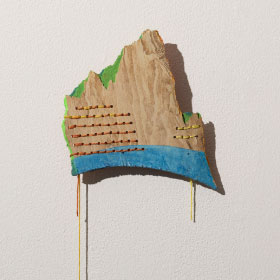
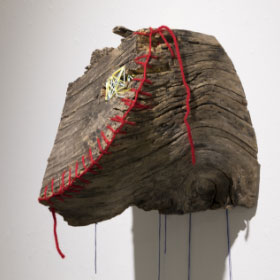
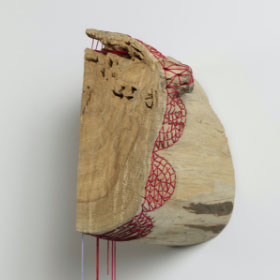
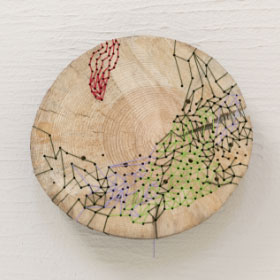
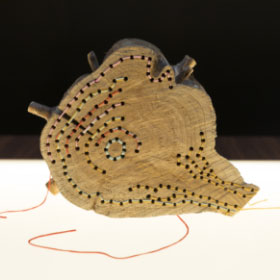
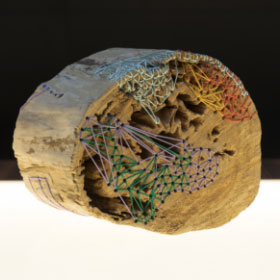
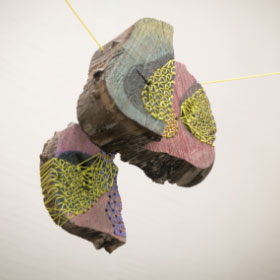
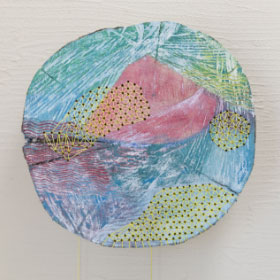
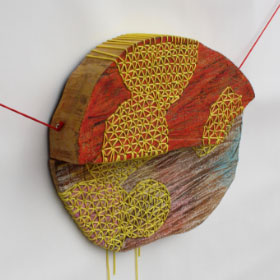
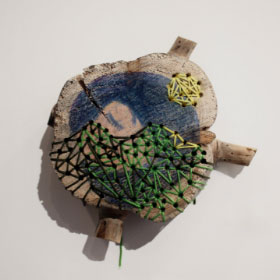
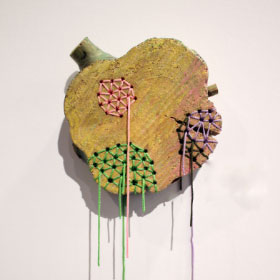
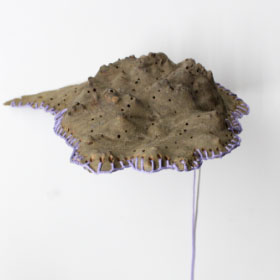
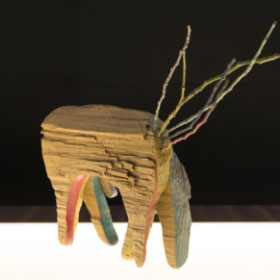
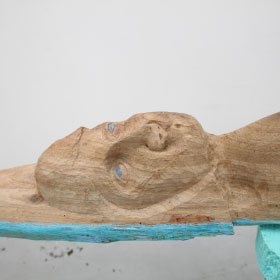
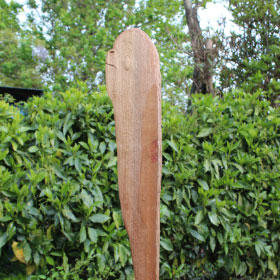
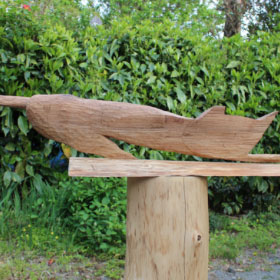
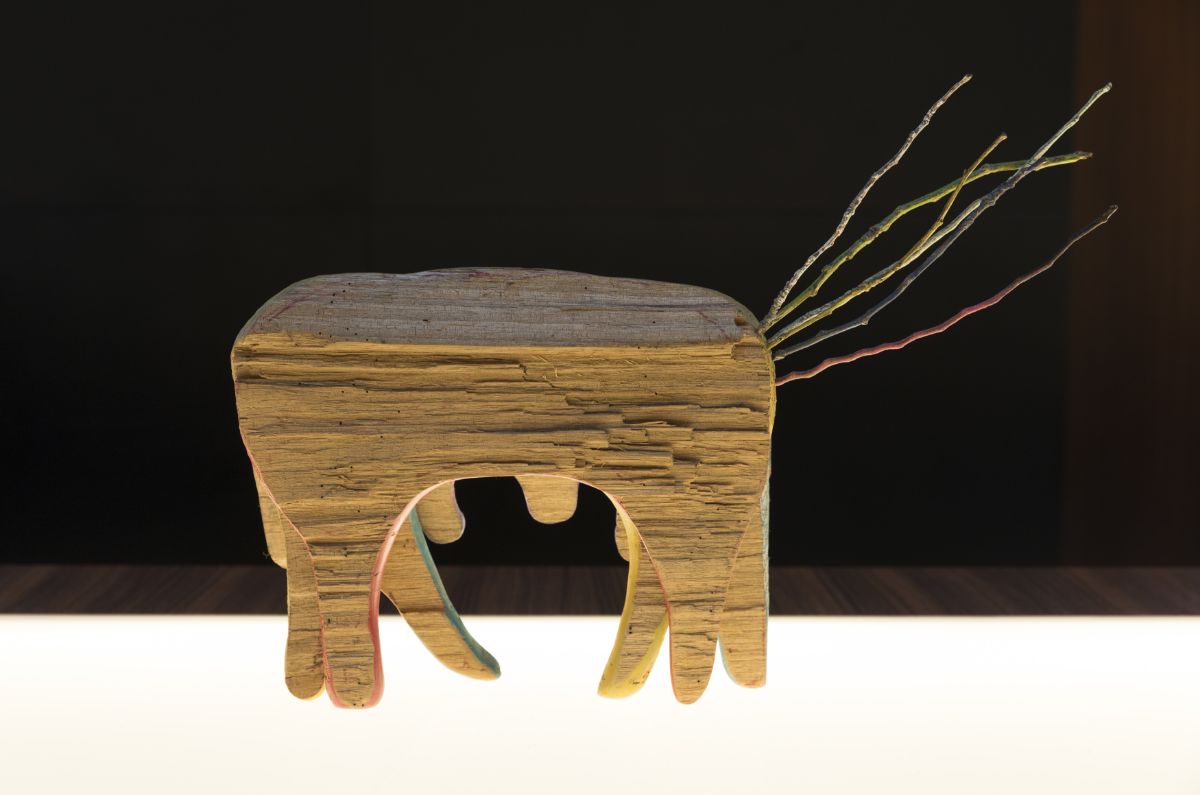
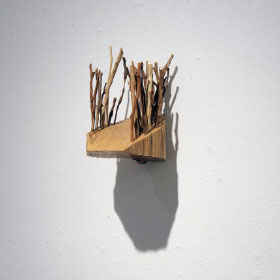
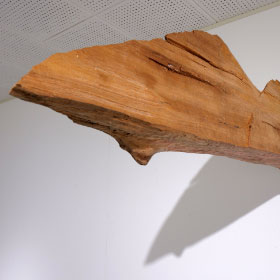
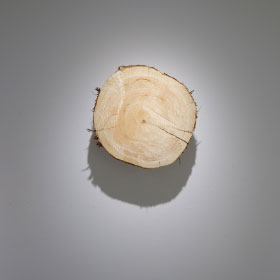
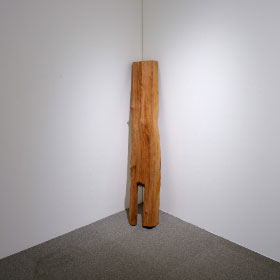
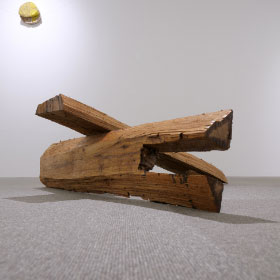
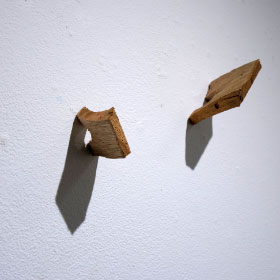
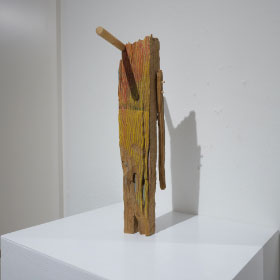
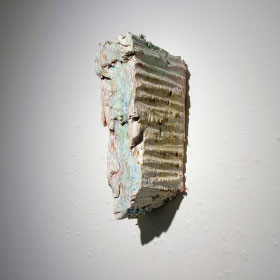
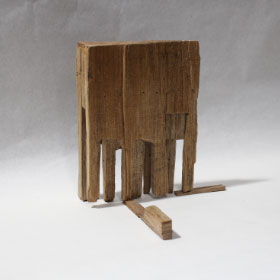
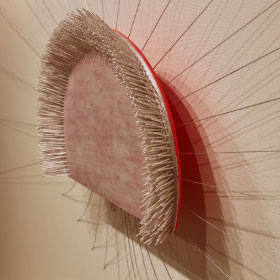
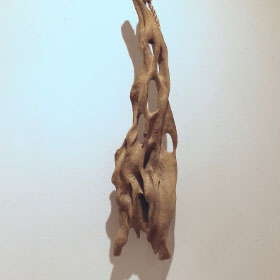
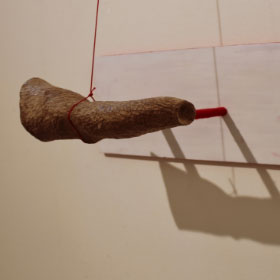
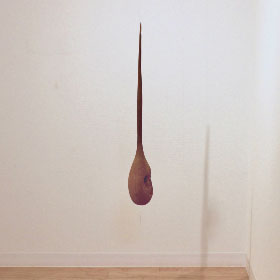
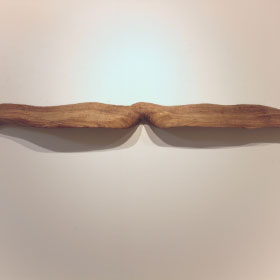
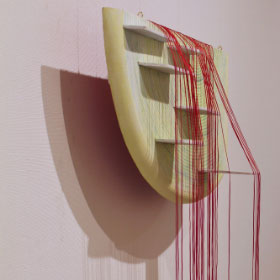
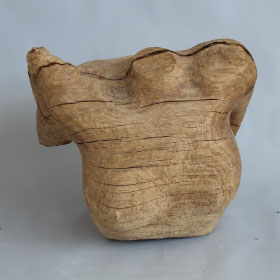
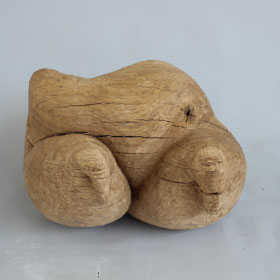
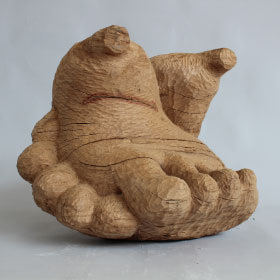
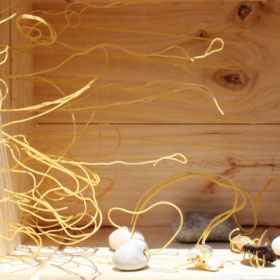
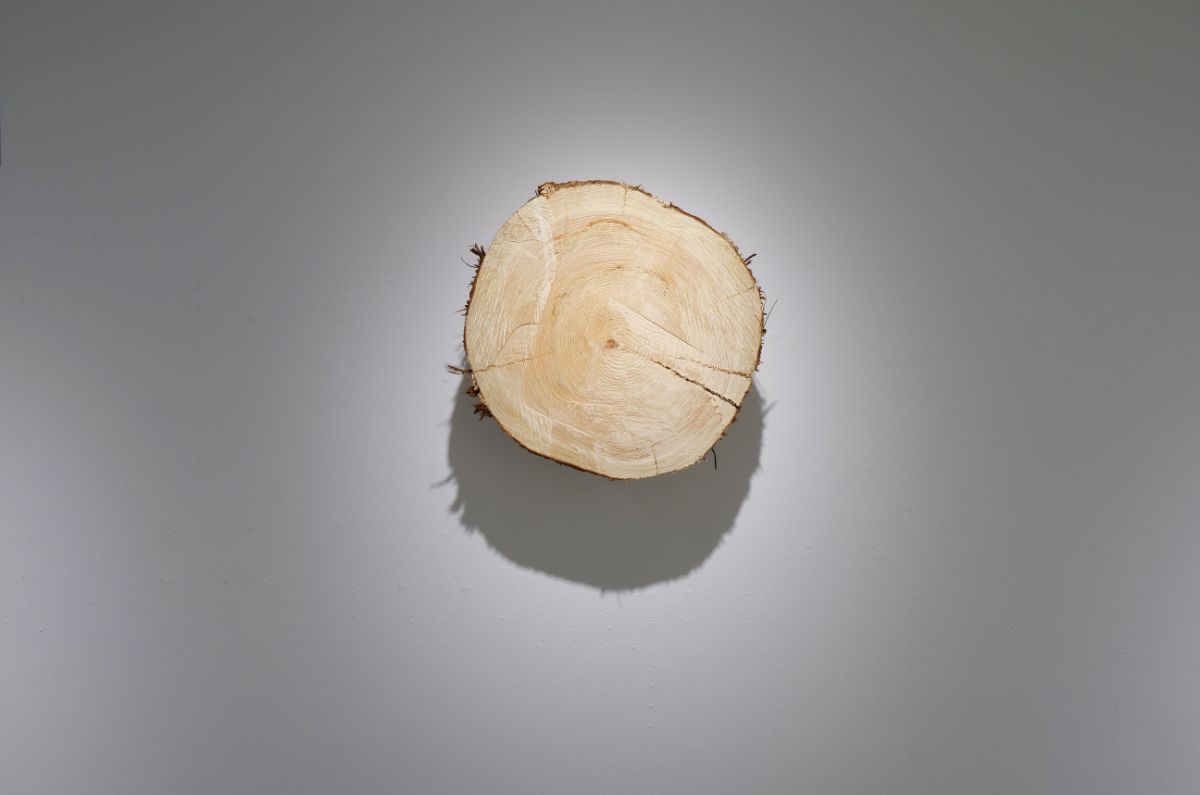
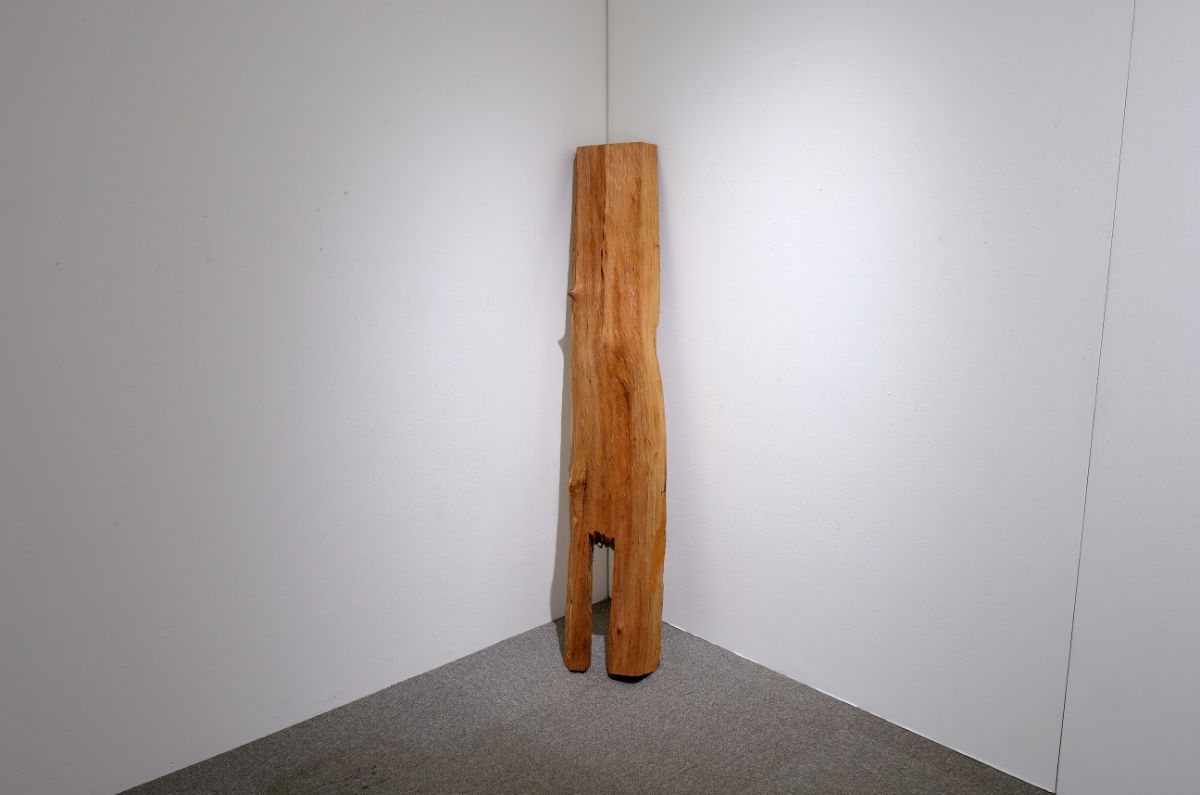
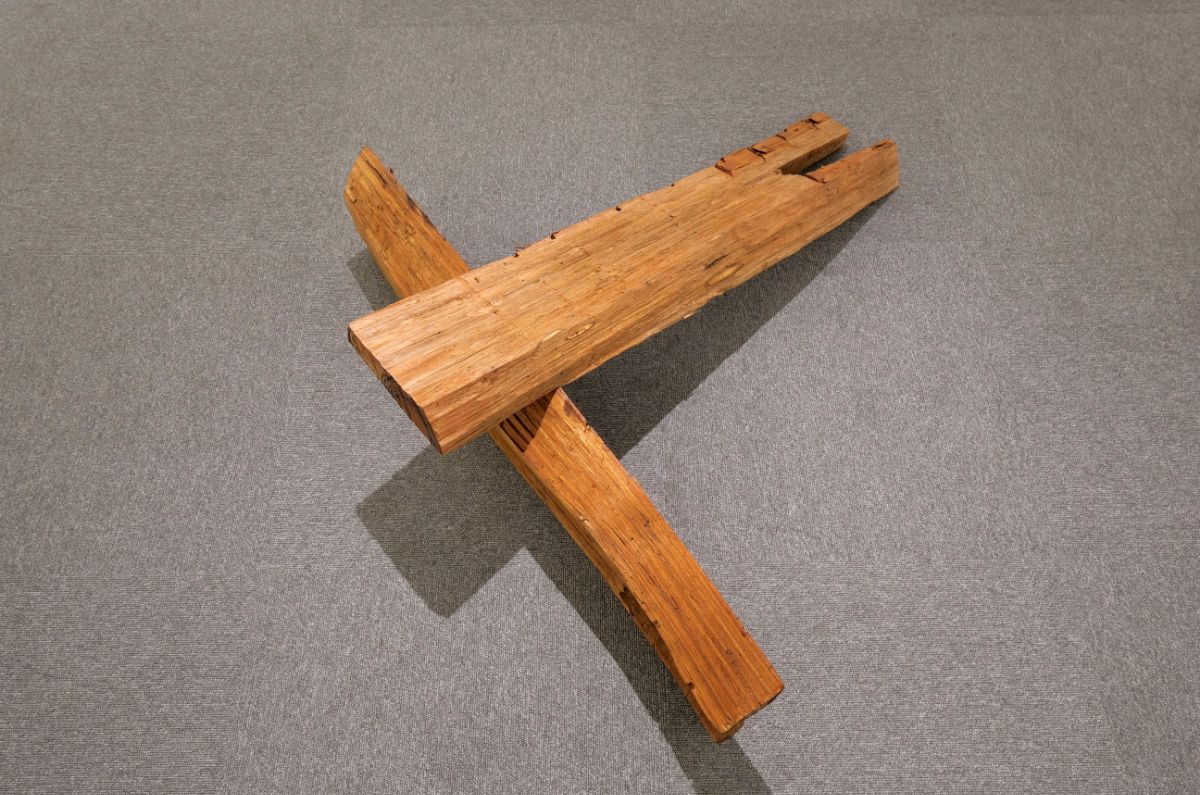
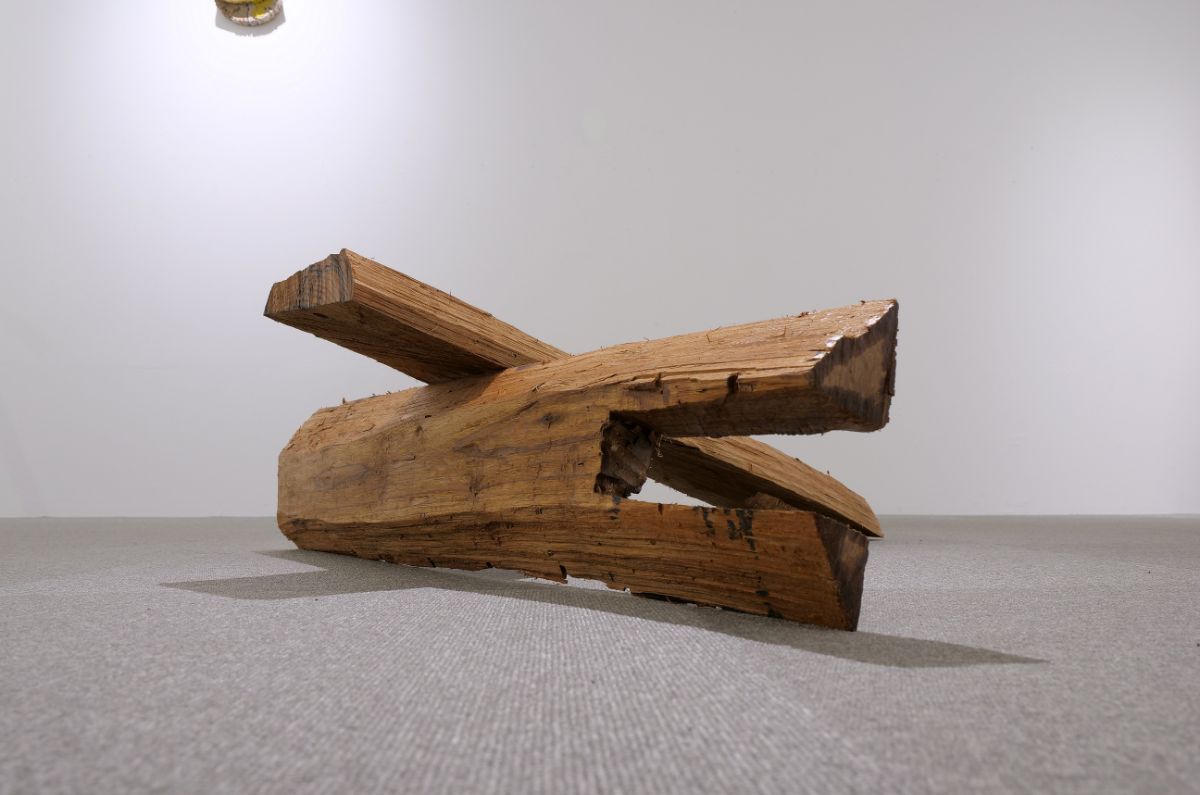
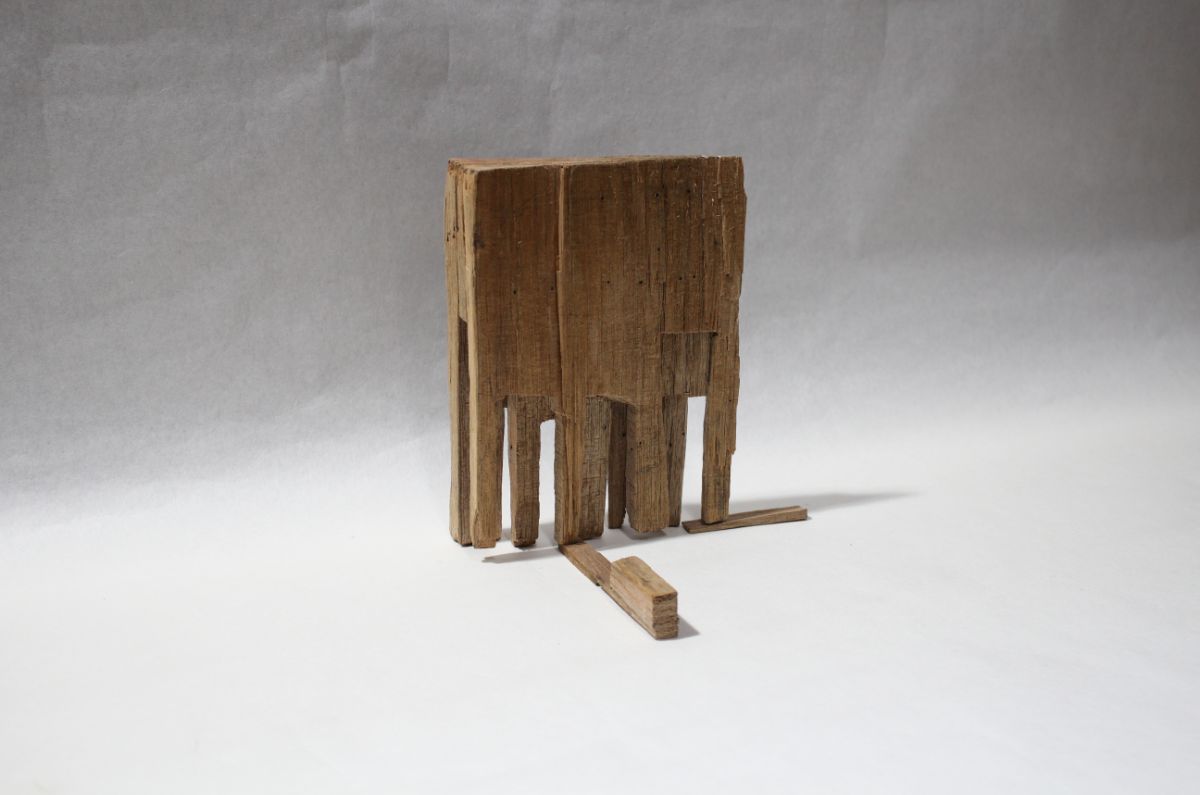
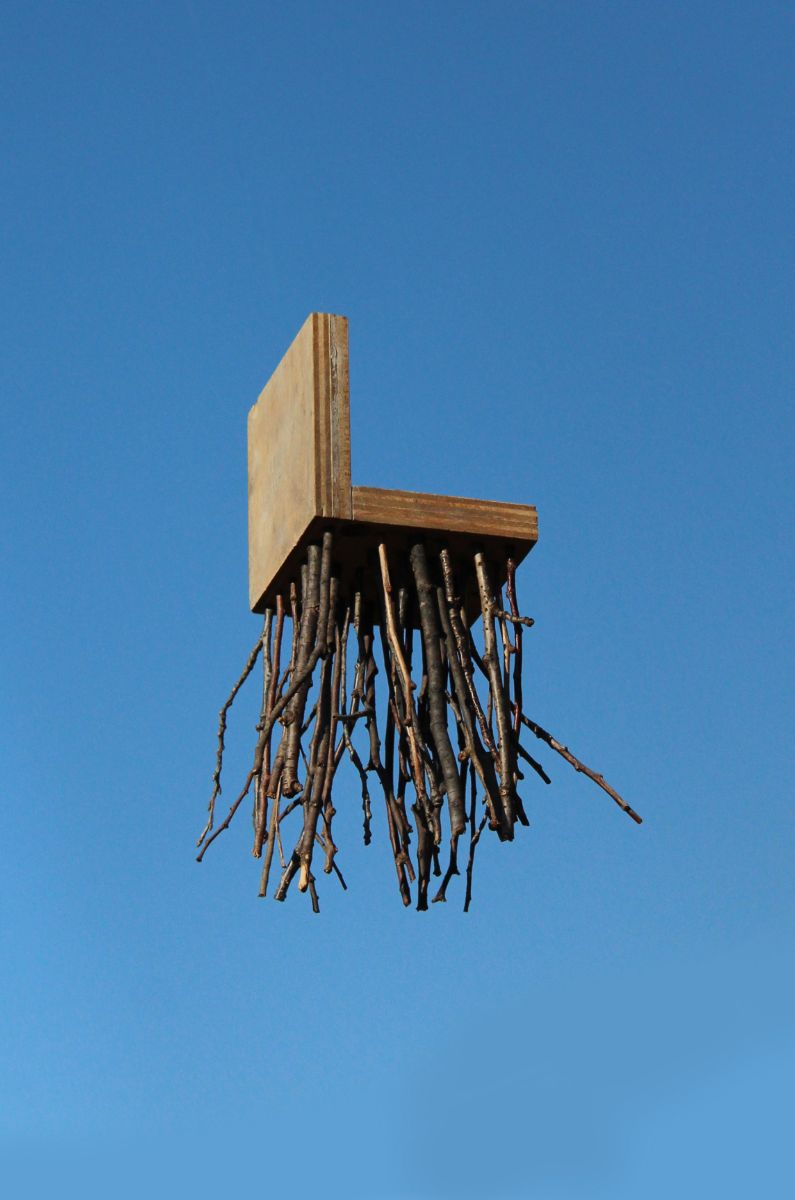
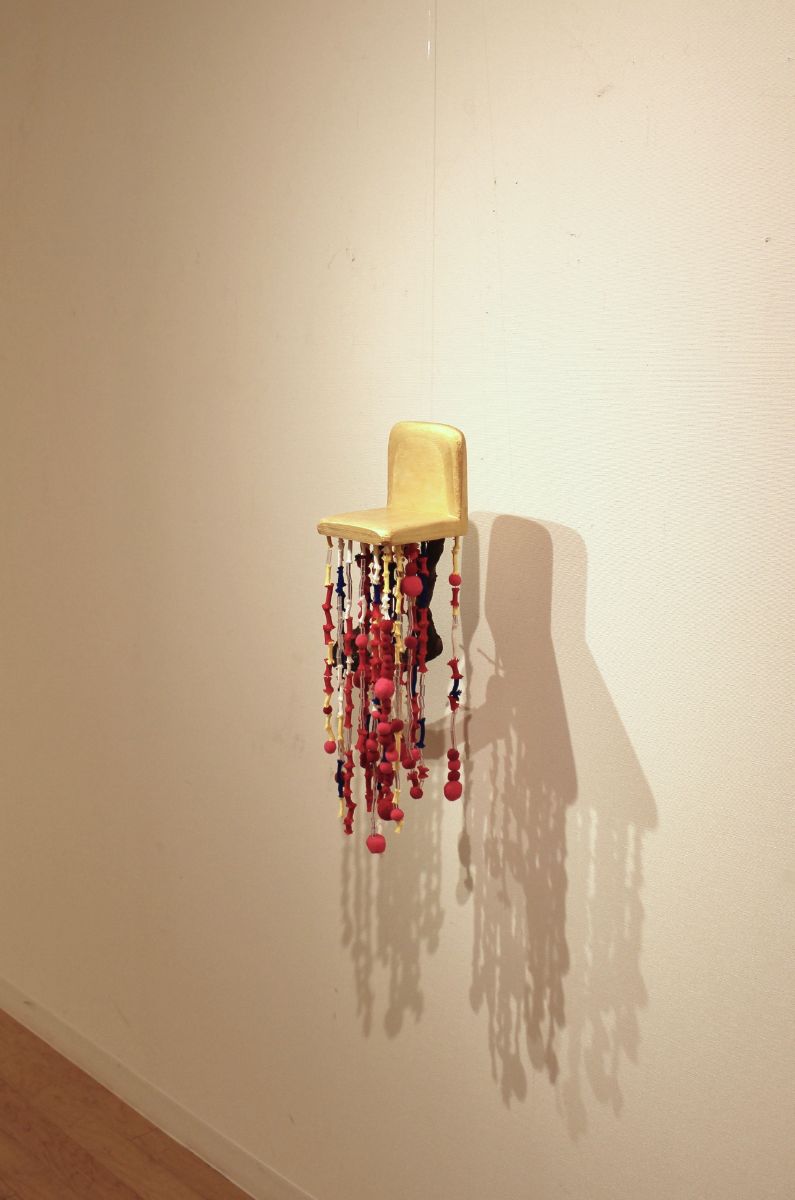
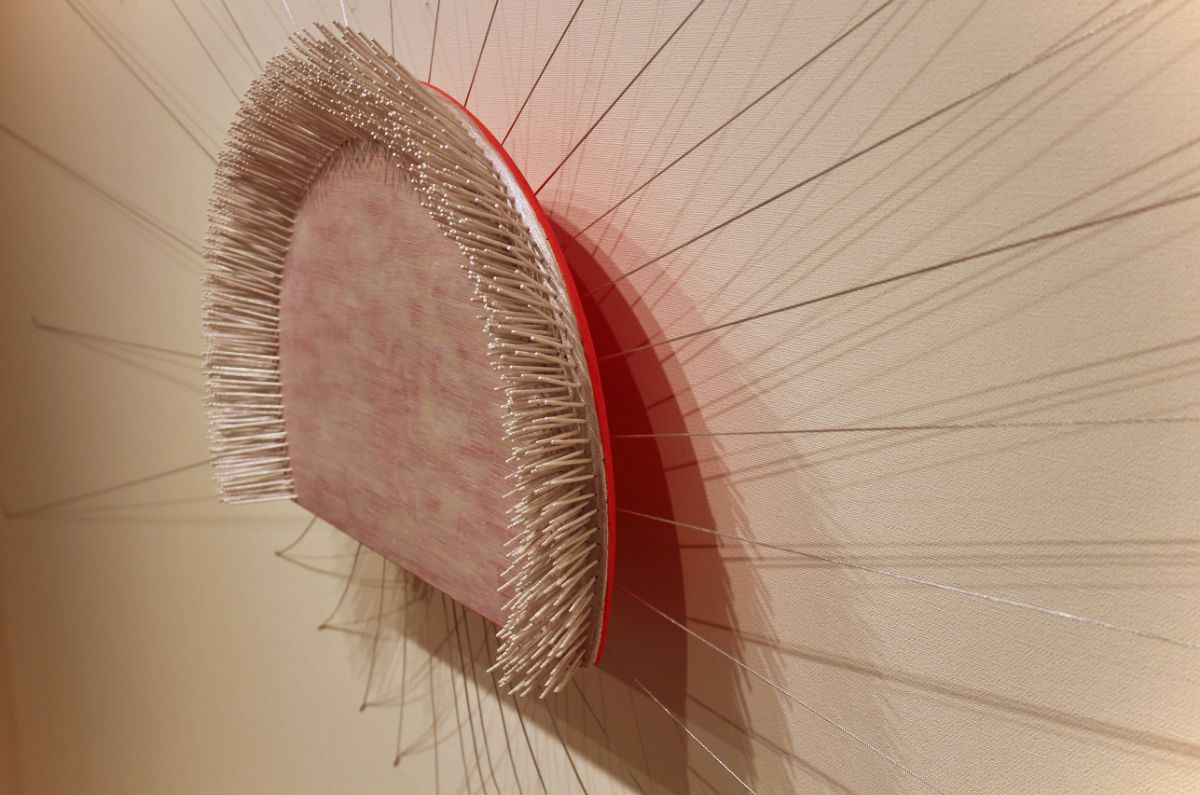
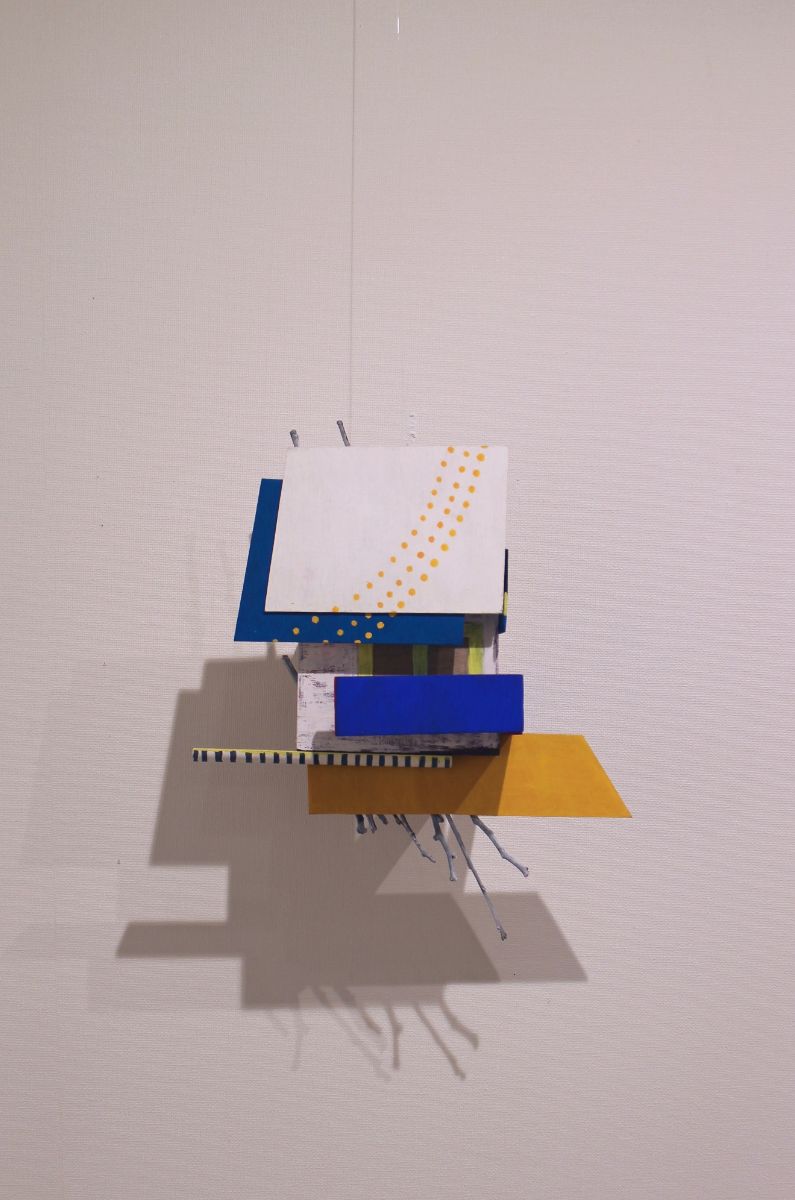
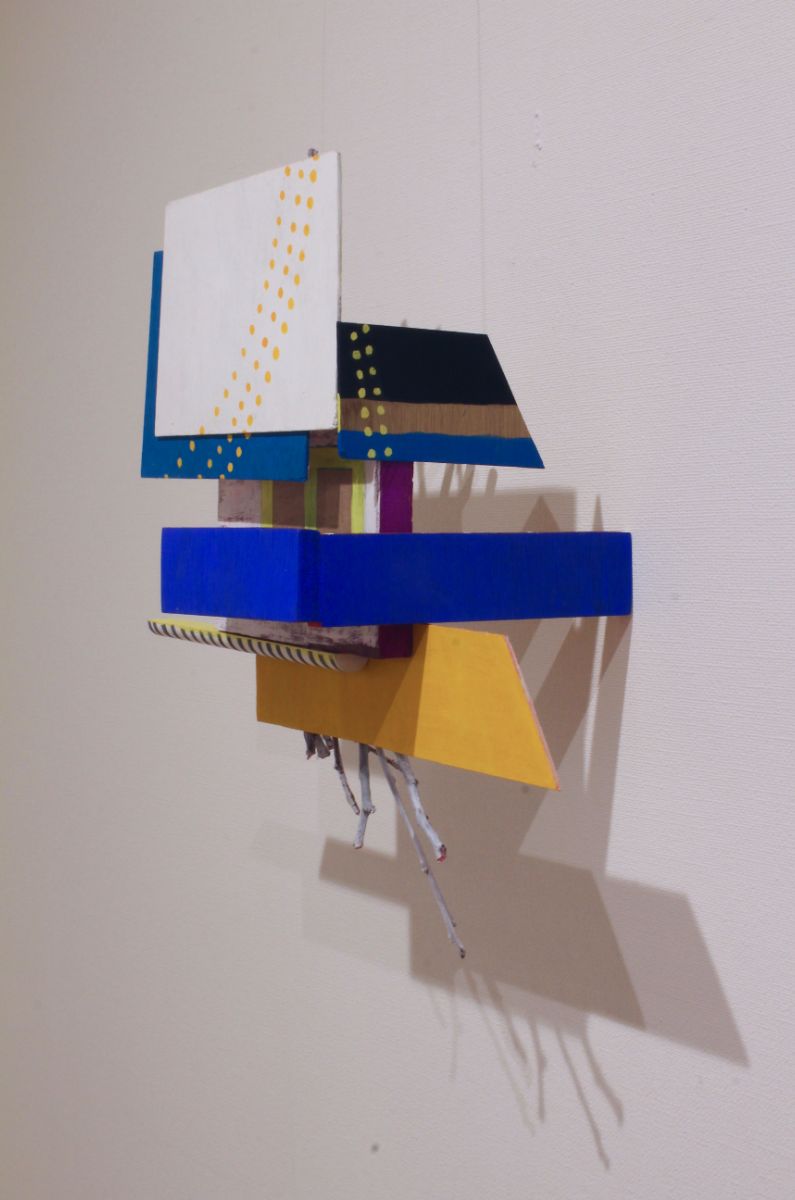
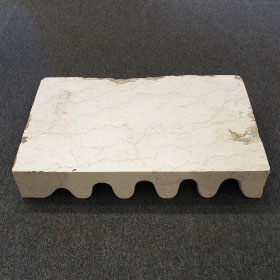
ボワラクテ / Milky Way
木、紐、着彩 Wood, strings, paint
43x25x16cm
2021
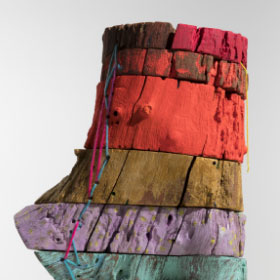
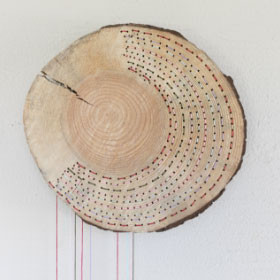
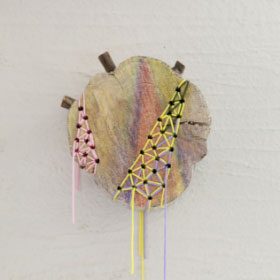
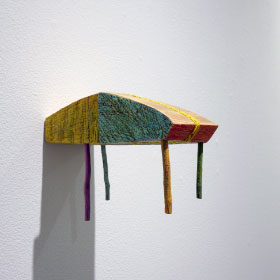
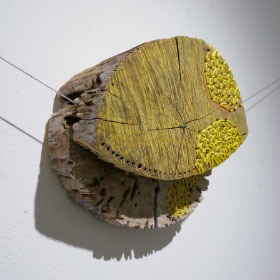
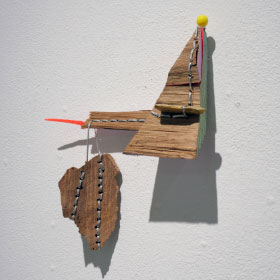
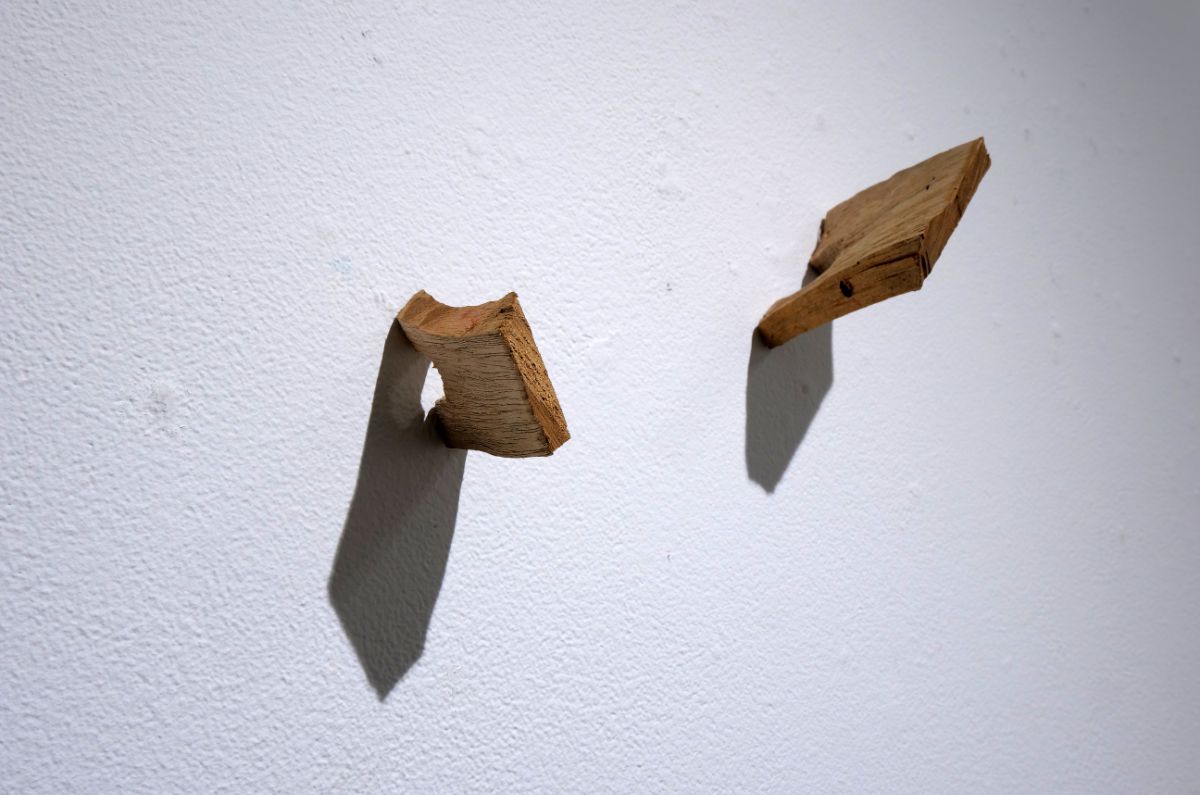
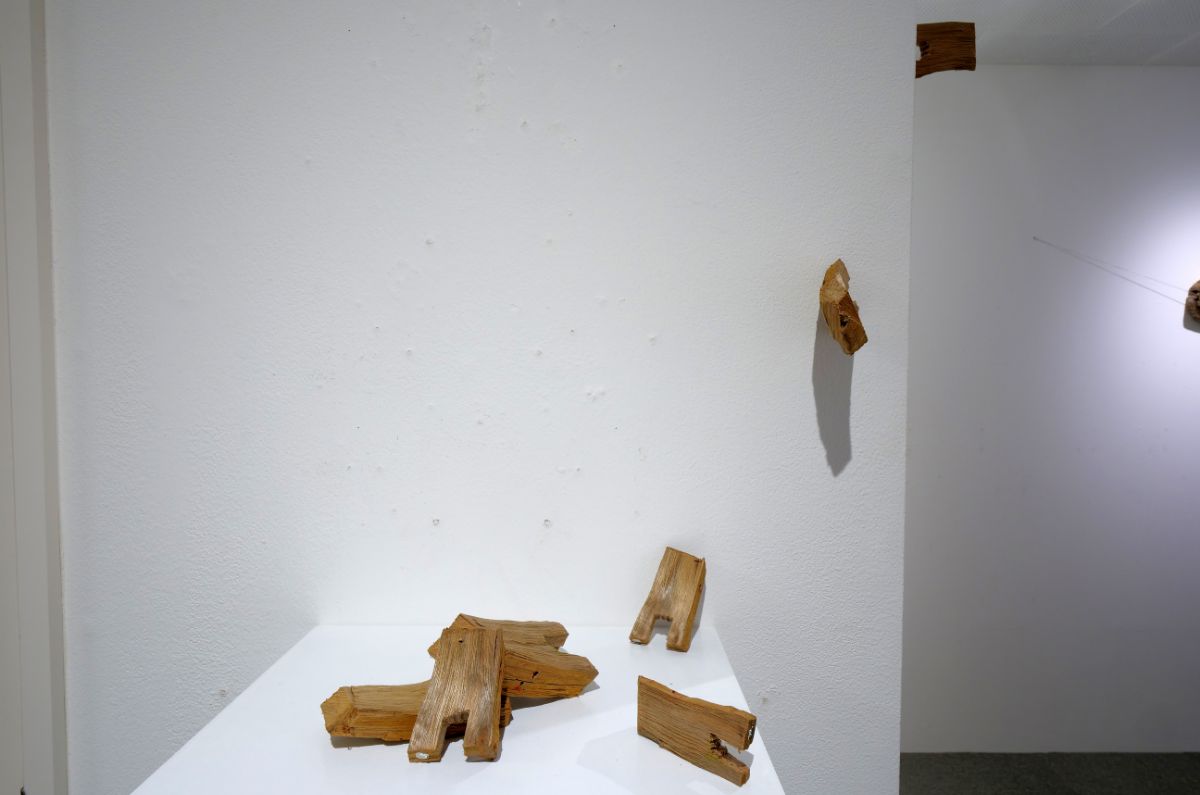
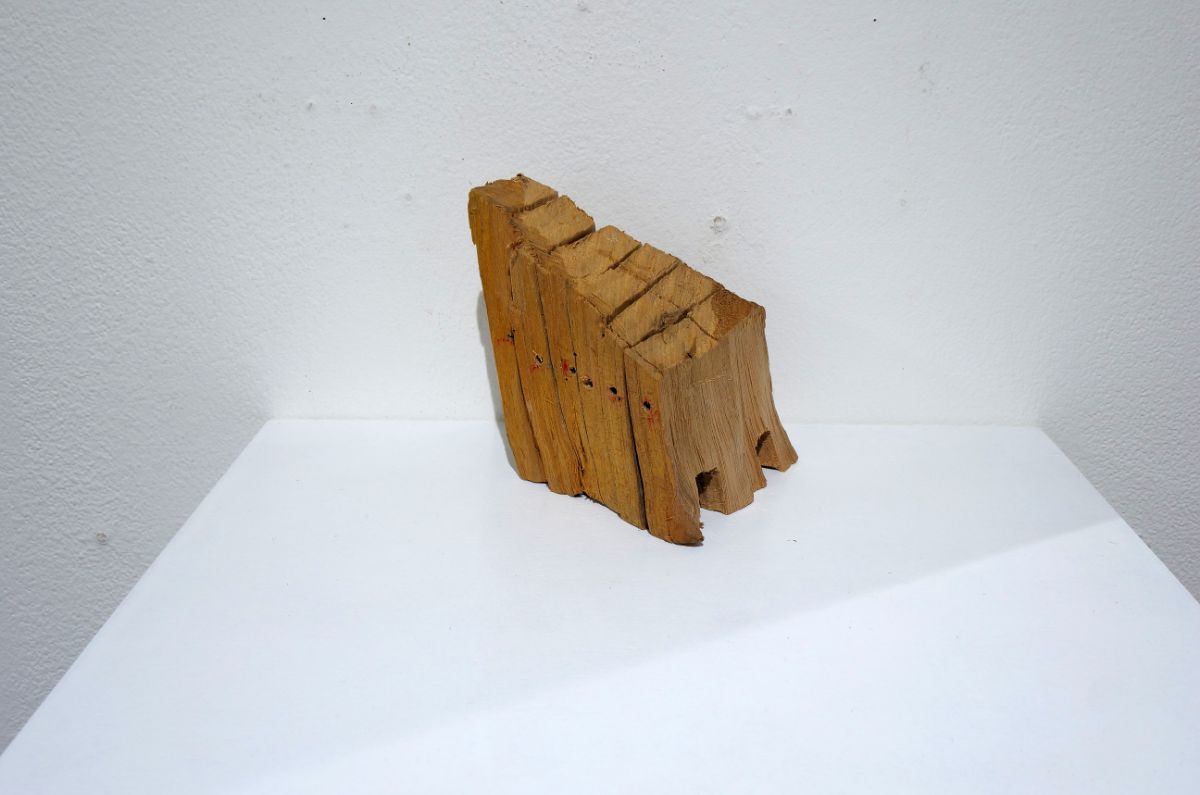
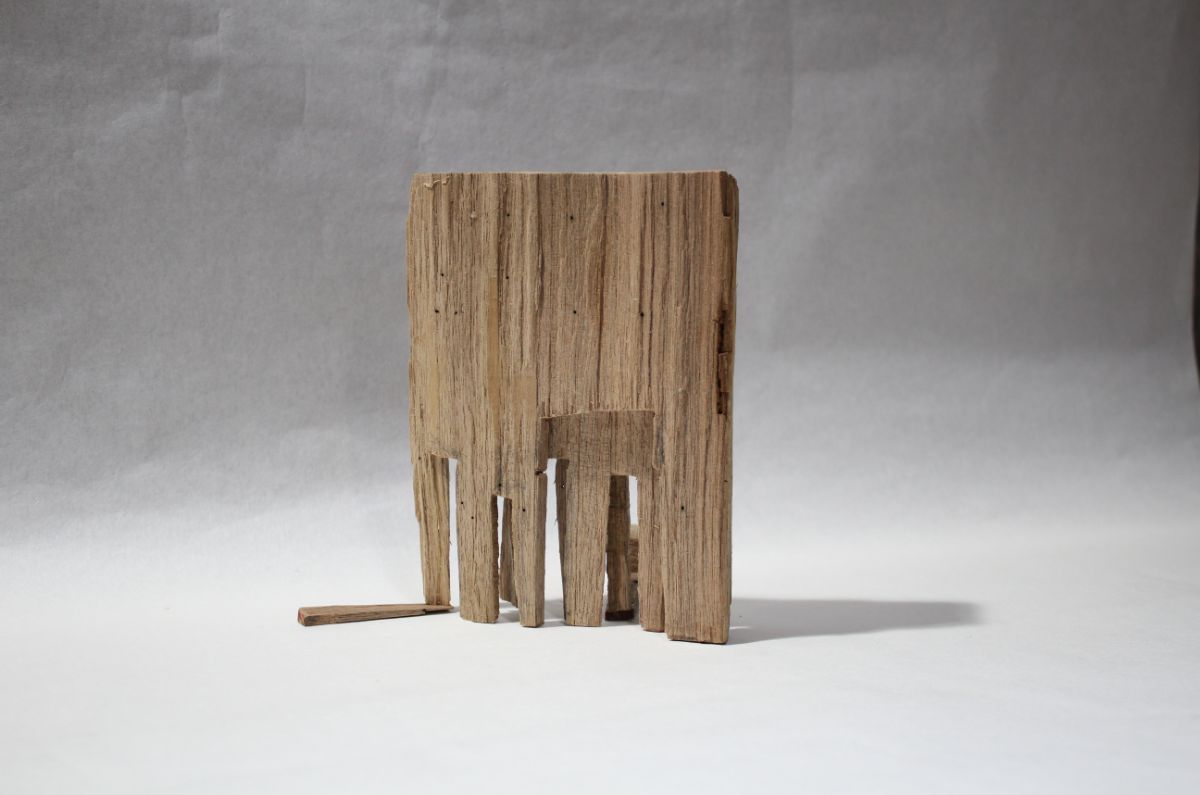
アトリエの山積みの木端を縫う。
其々が魅力ある形をしている桜、樟、楢、檜などを針を使って紐のみで縫い繋げます。
43x25x16cm
2021
アトリエの山積みの木端を縫う。
其々が魅力ある形をしている桜、樟、楢、檜などを針を使って紐のみで縫い繋げます。
Au fil du temps(オ・フィル・ドゥ・タン)/ ときを縫う
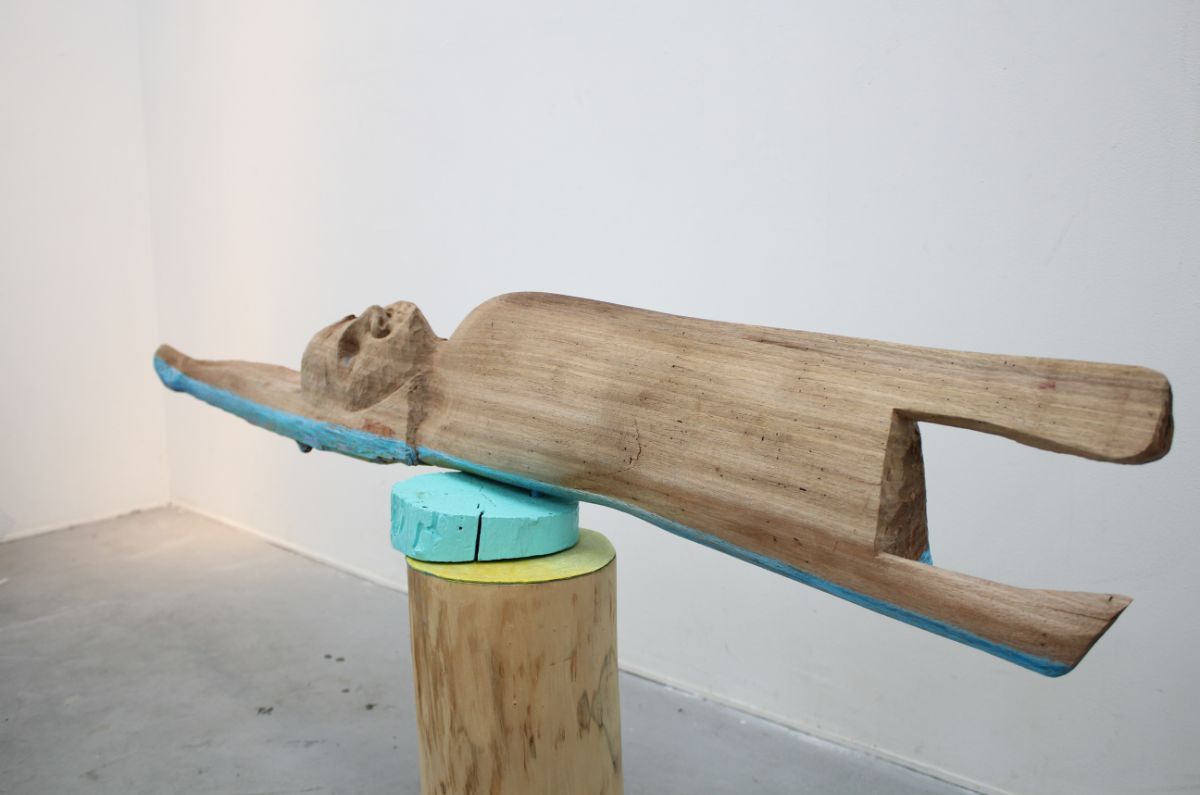
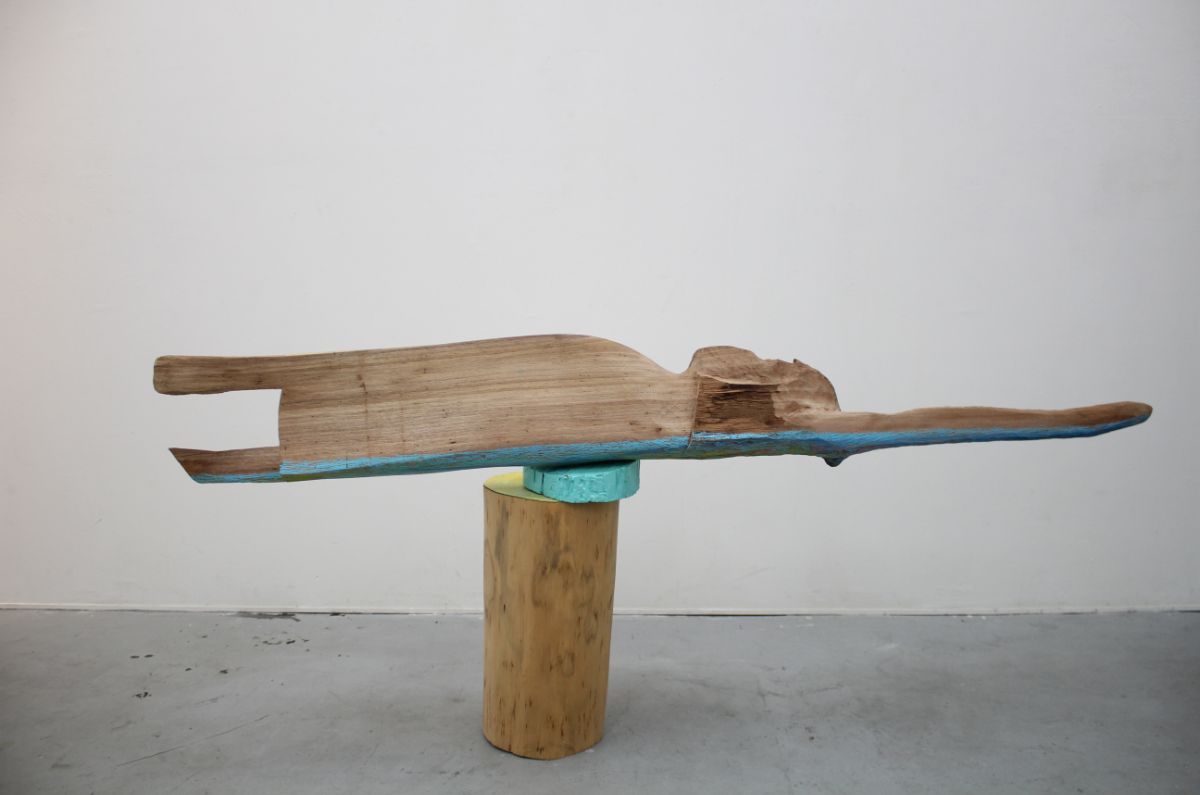
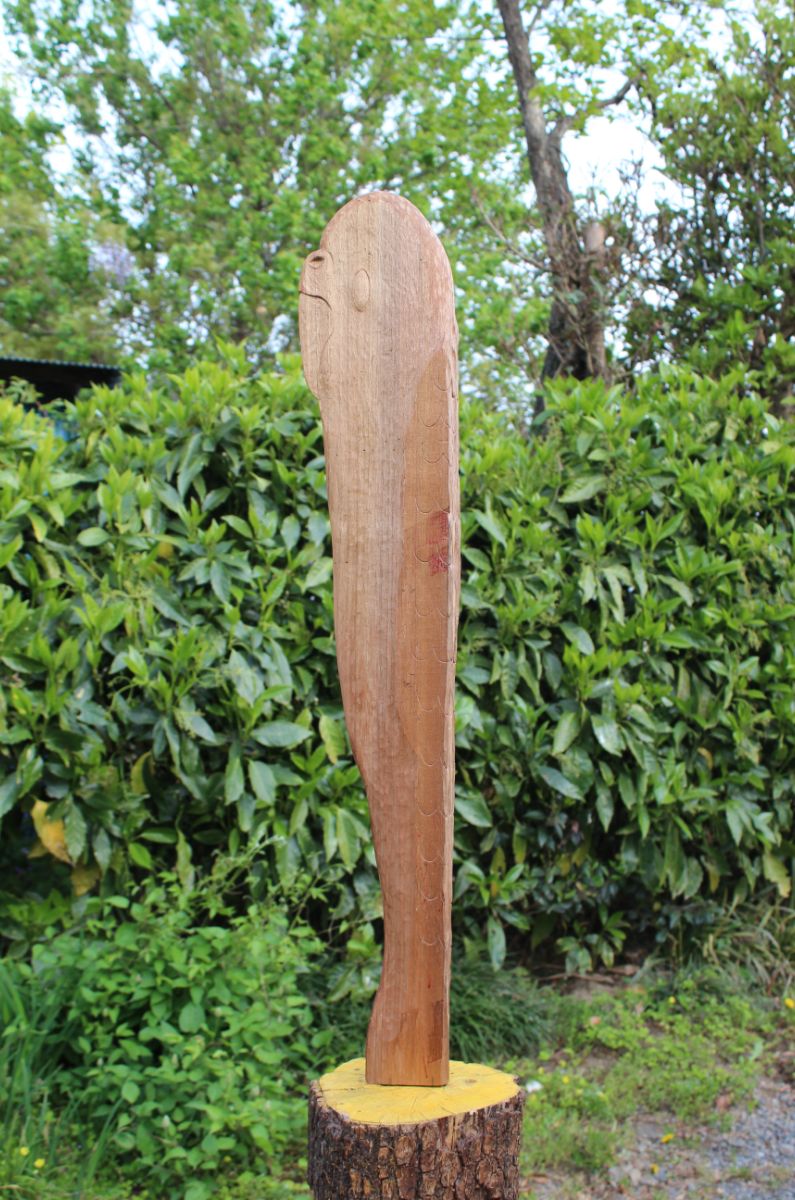
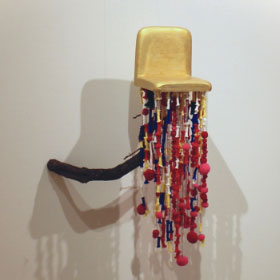
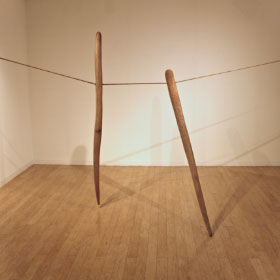
「時のつながりや時代を越えて受け継がれること」を木と紐を使って表現している。
Au fil du tempsはフランス語で時の流れ、時の重なり、時を越えるという意味の熟語である。Filは縫糸、縫う、Tempsは時間という単語が含まれている。
「時を超える」は、「時を縫う」なのだろうか?
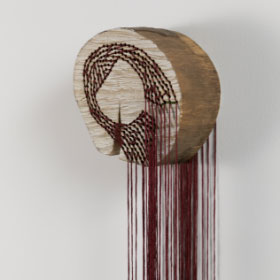
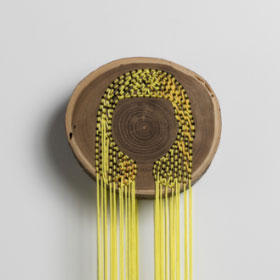
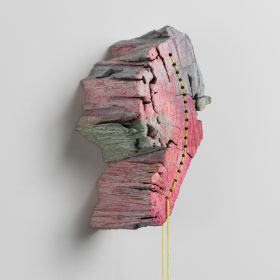
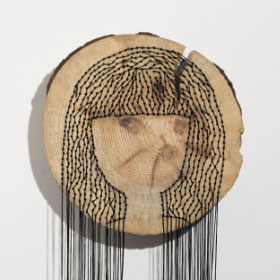
木という素材は、時を経て成長した年輪がある。時の重なりと蓄積が見える。そこに穴を開ける。その穴は、一気に時代をワープして、時を越えていく。
木を縫う。開けた穴に紐を縫っていく。その越えていった時をもう一度思い起こす。
時をワープした幾つもの穴を、下から上へと縫っていく紐は、過去、現在を何度も行き来している。それは、私たちが、後悔して悲しんだり、想い出に浸ったり、過去に思いを馳せたりする日常に似ている。
刃物で穴を切っていく行為は男性的な面を持ち、針で縫う事は女性的である。その両面を持ち合わせ、できていく作品に人と人の関係性から生命が繋がっていく事をも感じる。
Au fil du tempsはフランス語で時の流れ、時の重なり、時を越えるという意味の熟語である。Filは縫糸、縫う、Tempsは時間という単語が含まれている。
「時を超える」は、「時を縫う」なのだろうか?
木という素材は、時を経て成長した年輪がある。時の重なりと蓄積が見える。そこに穴を開ける。その穴は、一気に時代をワープして、時を越えていく。
木を縫う。開けた穴に紐を縫っていく。その越えていった時をもう一度思い起こす。
時をワープした幾つもの穴を、下から上へと縫っていく紐は、過去、現在を何度も行き来している。それは、私たちが、後悔して悲しんだり、想い出に浸ったり、過去に思いを馳せたりする日常に似ている。
刃物で穴を切っていく行為は男性的な面を持ち、針で縫う事は女性的である。その両面を持ち合わせ、できていく作品に人と人の関係性から生命が繋がっていく事をも感じる。
Au fil du temps (Transcend time and space) / Sew time
I express “connections through time and things that are passed down generation by generation” using wood and string.
Au fil du temps is a French phrase that refers to the flow of time, the passage of time, and things that are timeless. It contains fil, which means thread or sow, and temps, which refers to time.
Why is being timelessness expressed as sewing time?
Wood contains growth rings that show its growth over the years. You can see the passage and build up of time. I open holes in them. The holes represent moving through time to warp into past ages.
I sew the wood. I pass thread through the holes, and look back at the time that I have traversed.
The thread binds the holes from the bottom up as they jump through a number of warps, to repeatedly traverse the past, present, and future. It is similar to how we spend our days looking back and regretting the past, or enjoying our memories.
The act of cutting the holes with a blade has a masculine aspect to it, and sewing with a needle has a feminine one. Both of these aspects helps one to feel the connection between lives that arises from the relationships between people.
Au fil du temps is a French phrase that refers to the flow of time, the passage of time, and things that are timeless. It contains fil, which means thread or sow, and temps, which refers to time.
Why is being timelessness expressed as sewing time?
Wood contains growth rings that show its growth over the years. You can see the passage and build up of time. I open holes in them. The holes represent moving through time to warp into past ages.
I sew the wood. I pass thread through the holes, and look back at the time that I have traversed.
The thread binds the holes from the bottom up as they jump through a number of warps, to repeatedly traverse the past, present, and future. It is similar to how we spend our days looking back and regretting the past, or enjoying our memories.
The act of cutting the holes with a blade has a masculine aspect to it, and sewing with a needle has a feminine one. Both of these aspects helps one to feel the connection between lives that arises from the relationships between people.
Coudre le temps au fil du temps
Fils et bois expriment dans cette série d’oeuvres la transition « au fils du temps ».
A travers ses veines le bois nous dévoile son temps.
L'aiguille perce le bois et le fils traverse ce temps d'hivers et de printemps.
Coudre le bois pour lier le passé au présent dans le va et vient de ma mémoire et se souvenir.
D'un geste masculin je tranche bois et d'une autre féminin je le coud afin de tisser dans cette consubstantialité le dessin de mes émotions qui s'entremêlement.
A travers ses veines le bois nous dévoile son temps.
L'aiguille perce le bois et le fils traverse ce temps d'hivers et de printemps.
Coudre le bois pour lier le passé au présent dans le va et vient de ma mémoire et se souvenir.
D'un geste masculin je tranche bois et d'une autre féminin je le coud afin de tisser dans cette consubstantialité le dessin de mes émotions qui s'entremêlement.
< close >


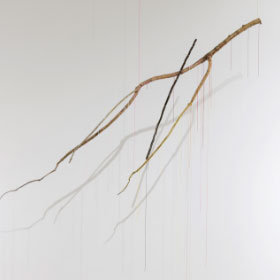
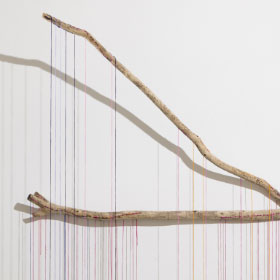
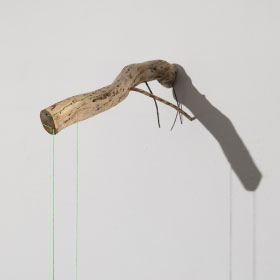
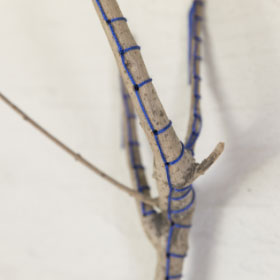
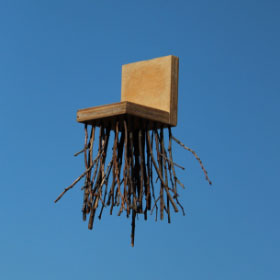
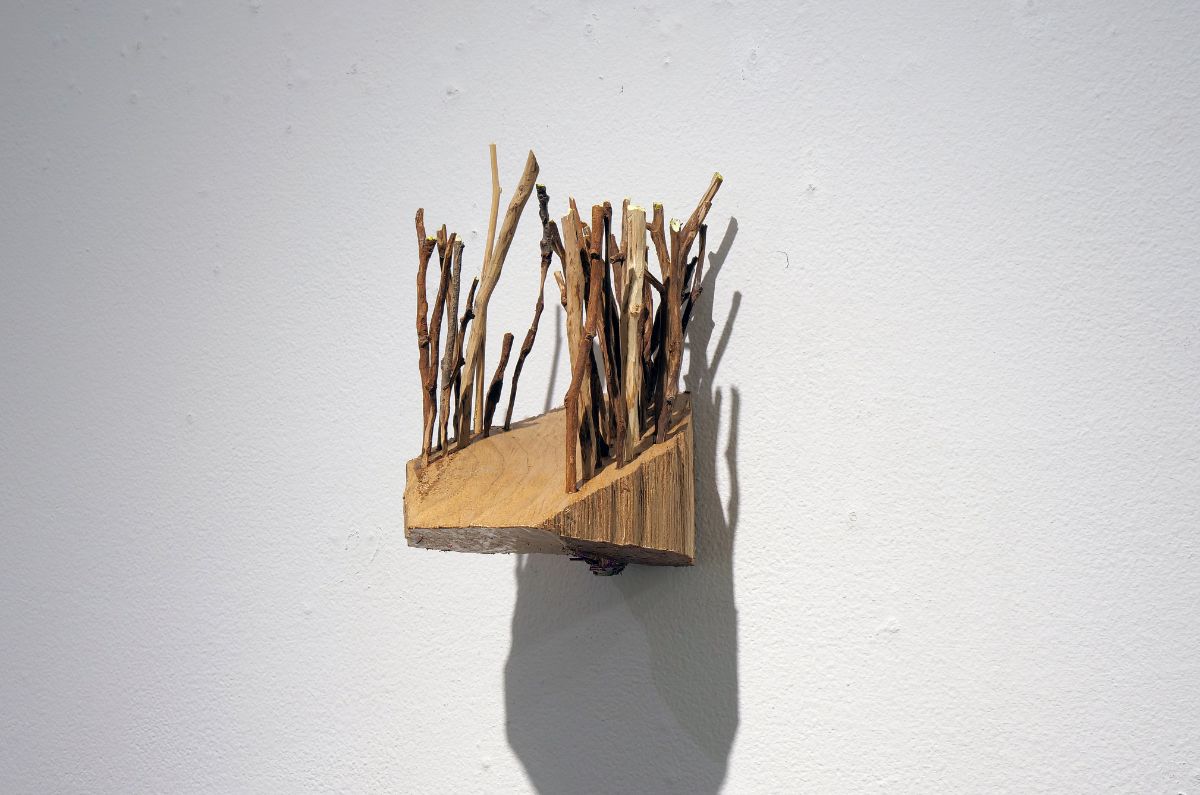
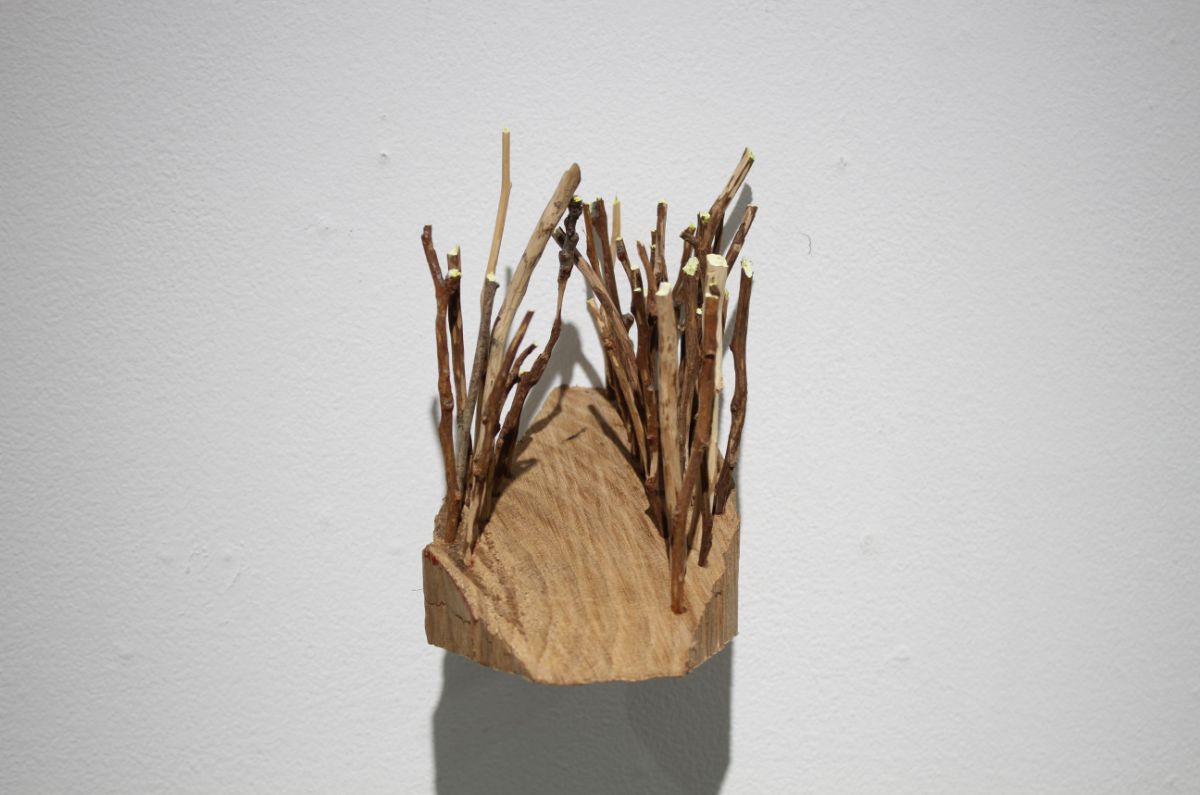
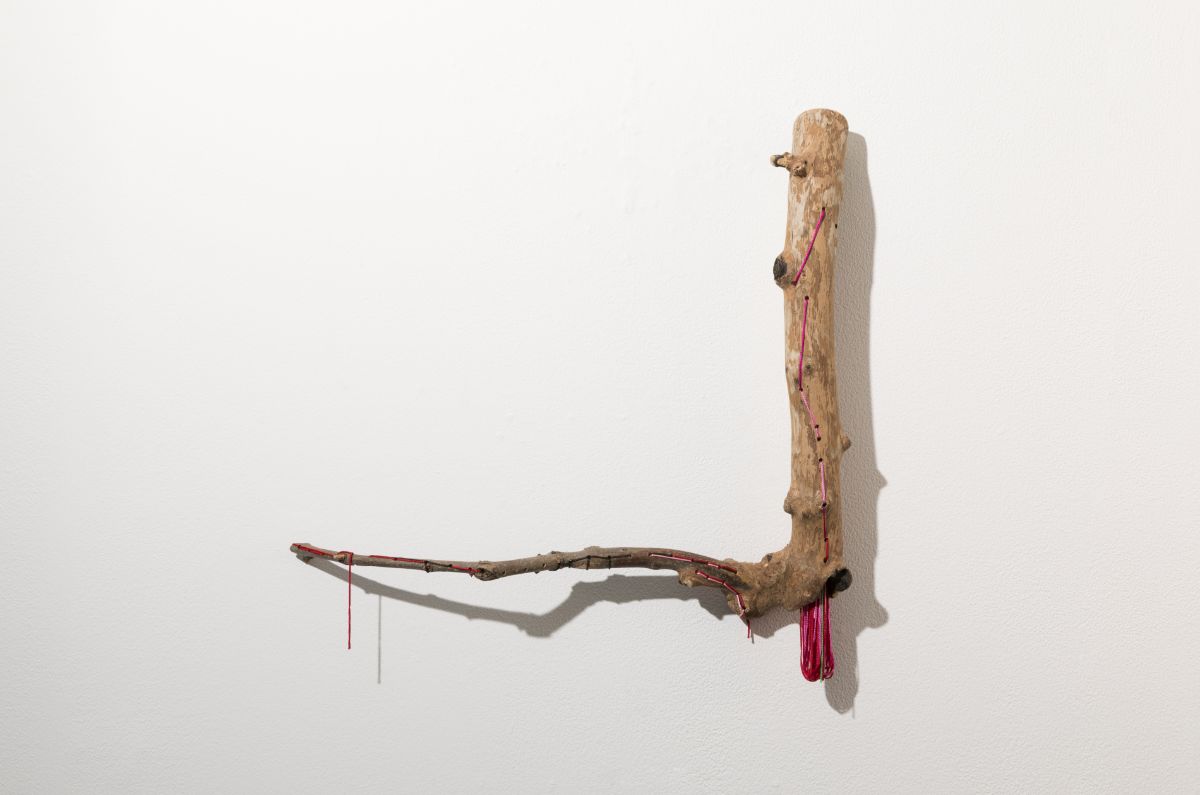
La voie lacté / Milky Way
ライラック、枝、紐 Lilac, branch, strings
サイズ可変 Dimensions variable
50 (180)x210x30cm *( ) 紐を含む / Size including string
2021
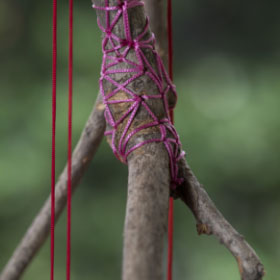
自宅の庭にある私の誕生記念樹であるライラックの枝を針と紐で縫います。
サイズ可変 Dimensions variable
50 (180)x210x30cm *( ) 紐を含む / Size including string
2021
自宅の庭にある私の誕生記念樹であるライラックの枝を針と紐で縫います。
Au fil du temps(オ・フィル・ドゥ・タン)/ ときを縫う
「時のつながりや時代を越えて受け継がれること」を木と紐を使って表現している。
Au fil du tempsはフランス語で時の流れ、時の重なり、時を越えるという意味の熟語である。Filは縫糸、縫う、Tempsは時間という単語が含まれている。
「時を超える」は、「時を縫う」なのだろうか?
木という素材は、時を経て成長した年輪がある。時の重なりと蓄積が見える。そこに穴を開ける。その穴は、一気に時代をワープして、時を越えていく。
木を縫う。開けた穴に紐を縫っていく。その越えていった時をもう一度思い起こす。
時をワープした幾つもの穴を、下から上へと縫っていく紐は、過去、現在を何度も行き来している。それは、私たちが、後悔して悲しんだり、想い出に浸ったり、過去に思いを馳せたりする日常に似ている。
刃物で穴を切っていく行為は男性的な面を持ち、針で縫う事は女性的である。その両面を持ち合わせ、できていく作品に人と人の関係性から生命が繋がっていく事をも感じる。
Au fil du tempsはフランス語で時の流れ、時の重なり、時を越えるという意味の熟語である。Filは縫糸、縫う、Tempsは時間という単語が含まれている。
「時を超える」は、「時を縫う」なのだろうか?
木という素材は、時を経て成長した年輪がある。時の重なりと蓄積が見える。そこに穴を開ける。その穴は、一気に時代をワープして、時を越えていく。
木を縫う。開けた穴に紐を縫っていく。その越えていった時をもう一度思い起こす。
時をワープした幾つもの穴を、下から上へと縫っていく紐は、過去、現在を何度も行き来している。それは、私たちが、後悔して悲しんだり、想い出に浸ったり、過去に思いを馳せたりする日常に似ている。
刃物で穴を切っていく行為は男性的な面を持ち、針で縫う事は女性的である。その両面を持ち合わせ、できていく作品に人と人の関係性から生命が繋がっていく事をも感じる。
Au fil du temps (Transcend time and space) / Sew time
I express “connections through time and things that are passed down generation by generation” using wood and string.
Au fil du temps is a French phrase that refers to the flow of time, the passage of time, and things that are timeless. It contains fil, which means thread or sow, and temps, which refers to time.
Why is being timelessness expressed as sewing time?
Wood contains growth rings that show its growth over the years. You can see the passage and build up of time. I open holes in them. The holes represent moving through time to warp into past ages.
I sew the wood. I pass thread through the holes, and look back at the time that I have traversed.
The thread binds the holes from the bottom up as they jump through a number of warps, to repeatedly traverse the past, present, and future. It is similar to how we spend our days looking back and regretting the past, or enjoying our memories.
The act of cutting the holes with a blade has a masculine aspect to it, and sewing with a needle has a feminine one. Both of these aspects helps one to feel the connection between lives that arises from the relationships between people.
Au fil du temps is a French phrase that refers to the flow of time, the passage of time, and things that are timeless. It contains fil, which means thread or sow, and temps, which refers to time.
Why is being timelessness expressed as sewing time?
Wood contains growth rings that show its growth over the years. You can see the passage and build up of time. I open holes in them. The holes represent moving through time to warp into past ages.
I sew the wood. I pass thread through the holes, and look back at the time that I have traversed.
The thread binds the holes from the bottom up as they jump through a number of warps, to repeatedly traverse the past, present, and future. It is similar to how we spend our days looking back and regretting the past, or enjoying our memories.
The act of cutting the holes with a blade has a masculine aspect to it, and sewing with a needle has a feminine one. Both of these aspects helps one to feel the connection between lives that arises from the relationships between people.
Coudre le temps au fil du temps
Fils et bois expriment dans cette série d’oeuvres la transition « au fils du temps ».
A travers ses veines le bois nous dévoile son temps.
L'aiguille perce le bois et le fils traverse ce temps d'hivers et de printemps.
Coudre le bois pour lier le passé au présent dans le va et vient de ma mémoire et se souvenir.
D'un geste masculin je tranche bois et d'une autre féminin je le coud afin de tisser dans cette consubstantialité le dessin de mes émotions qui s'entremêlement.
A travers ses veines le bois nous dévoile son temps.
L'aiguille perce le bois et le fils traverse ce temps d'hivers et de printemps.
Coudre le bois pour lier le passé au présent dans le va et vient de ma mémoire et se souvenir.
D'un geste masculin je tranche bois et d'une autre féminin je le coud afin de tisser dans cette consubstantialité le dessin de mes émotions qui s'entremêlement.
< close >
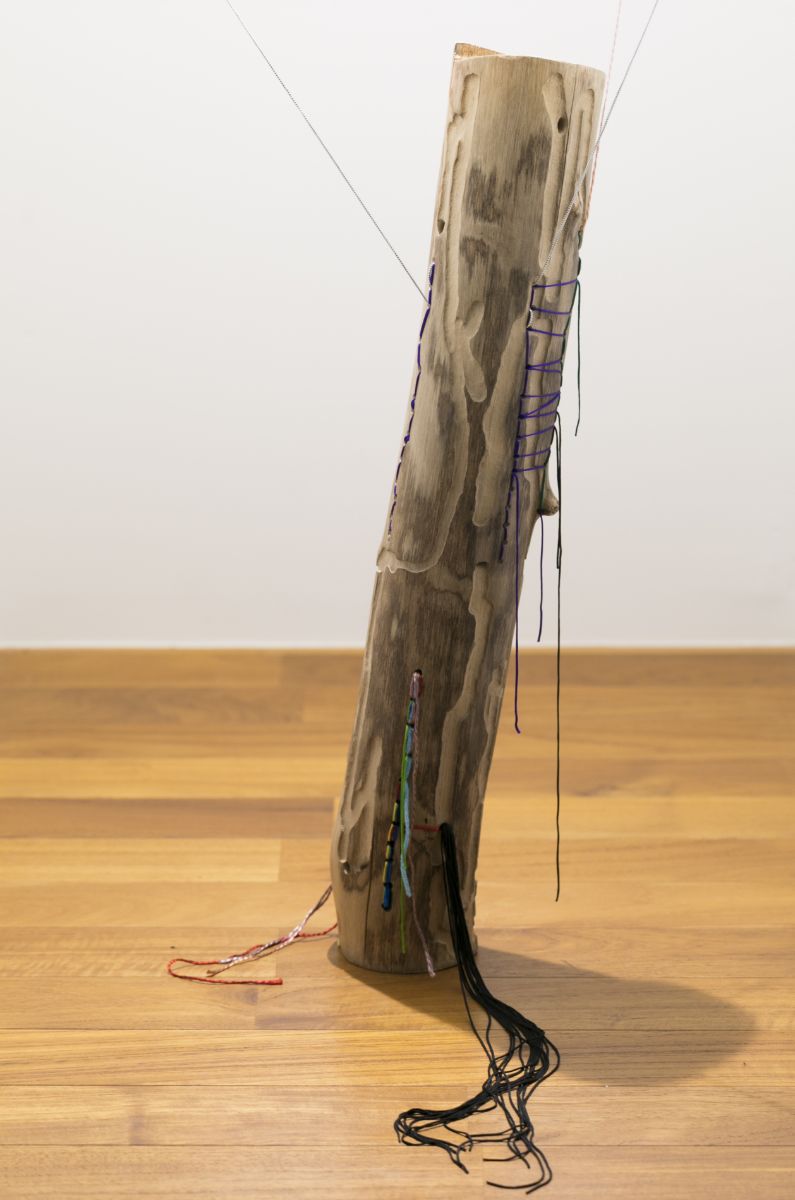

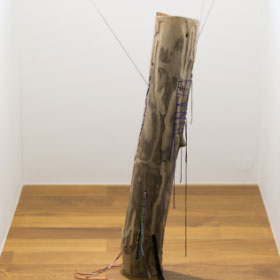
ネビュルーズ / Nebula
木、紐 Wood, strings
50x9x8(22)cm *( ) 紐を含む / Size including string
2021
50x9x8(22)cm *( ) 紐を含む / Size including string
2021
Au fil du temps(オ・フィル・ドゥ・タン)/ ときを縫う
「時のつながりや時代を越えて受け継がれること」を木と紐を使って表現している。
Au fil du tempsはフランス語で時の流れ、時の重なり、時を越えるという意味の熟語である。Filは縫糸、縫う、Tempsは時間という単語が含まれている。
「時を超える」は、「時を縫う」なのだろうか?
木という素材は、時を経て成長した年輪がある。時の重なりと蓄積が見える。そこに穴を開ける。その穴は、一気に時代をワープして、時を越えていく。
木を縫う。開けた穴に紐を縫っていく。その越えていった時をもう一度思い起こす。
時をワープした幾つもの穴を、下から上へと縫っていく紐は、過去、現在を何度も行き来している。それは、私たちが、後悔して悲しんだり、想い出に浸ったり、過去に思いを馳せたりする日常に似ている。
刃物で穴を切っていく行為は男性的な面を持ち、針で縫う事は女性的である。その両面を持ち合わせ、できていく作品に人と人の関係性から生命が繋がっていく事をも感じる。
Au fil du tempsはフランス語で時の流れ、時の重なり、時を越えるという意味の熟語である。Filは縫糸、縫う、Tempsは時間という単語が含まれている。
「時を超える」は、「時を縫う」なのだろうか?
木という素材は、時を経て成長した年輪がある。時の重なりと蓄積が見える。そこに穴を開ける。その穴は、一気に時代をワープして、時を越えていく。
木を縫う。開けた穴に紐を縫っていく。その越えていった時をもう一度思い起こす。
時をワープした幾つもの穴を、下から上へと縫っていく紐は、過去、現在を何度も行き来している。それは、私たちが、後悔して悲しんだり、想い出に浸ったり、過去に思いを馳せたりする日常に似ている。
刃物で穴を切っていく行為は男性的な面を持ち、針で縫う事は女性的である。その両面を持ち合わせ、できていく作品に人と人の関係性から生命が繋がっていく事をも感じる。
Au fil du temps (Transcend time and space) / Sew time
I express “connections through time and things that are passed down generation by generation” using wood and string.
Au fil du temps is a French phrase that refers to the flow of time, the passage of time, and things that are timeless. It contains fil, which means thread or sow, and temps, which refers to time.
Why is being timelessness expressed as sewing time?
Wood contains growth rings that show its growth over the years. You can see the passage and build up of time. I open holes in them. The holes represent moving through time to warp into past ages.
I sew the wood. I pass thread through the holes, and look back at the time that I have traversed.
The thread binds the holes from the bottom up as they jump through a number of warps, to repeatedly traverse the past, present, and future. It is similar to how we spend our days looking back and regretting the past, or enjoying our memories.
The act of cutting the holes with a blade has a masculine aspect to it, and sewing with a needle has a feminine one. Both of these aspects helps one to feel the connection between lives that arises from the relationships between people.
Au fil du temps is a French phrase that refers to the flow of time, the passage of time, and things that are timeless. It contains fil, which means thread or sow, and temps, which refers to time.
Why is being timelessness expressed as sewing time?
Wood contains growth rings that show its growth over the years. You can see the passage and build up of time. I open holes in them. The holes represent moving through time to warp into past ages.
I sew the wood. I pass thread through the holes, and look back at the time that I have traversed.
The thread binds the holes from the bottom up as they jump through a number of warps, to repeatedly traverse the past, present, and future. It is similar to how we spend our days looking back and regretting the past, or enjoying our memories.
The act of cutting the holes with a blade has a masculine aspect to it, and sewing with a needle has a feminine one. Both of these aspects helps one to feel the connection between lives that arises from the relationships between people.
Coudre le temps au fil du temps
Fils et bois expriment dans cette série d’oeuvres la transition « au fils du temps ».
A travers ses veines le bois nous dévoile son temps.
L'aiguille perce le bois et le fils traverse ce temps d'hivers et de printemps.
Coudre le bois pour lier le passé au présent dans le va et vient de ma mémoire et se souvenir.
D'un geste masculin je tranche bois et d'une autre féminin je le coud afin de tisser dans cette consubstantialité le dessin de mes émotions qui s'entremêlement.
A travers ses veines le bois nous dévoile son temps.
L'aiguille perce le bois et le fils traverse ce temps d'hivers et de printemps.
Coudre le bois pour lier le passé au présent dans le va et vient de ma mémoire et se souvenir.
D'un geste masculin je tranche bois et d'une autre féminin je le coud afin de tisser dans cette consubstantialité le dessin de mes émotions qui s'entremêlement.
< close >
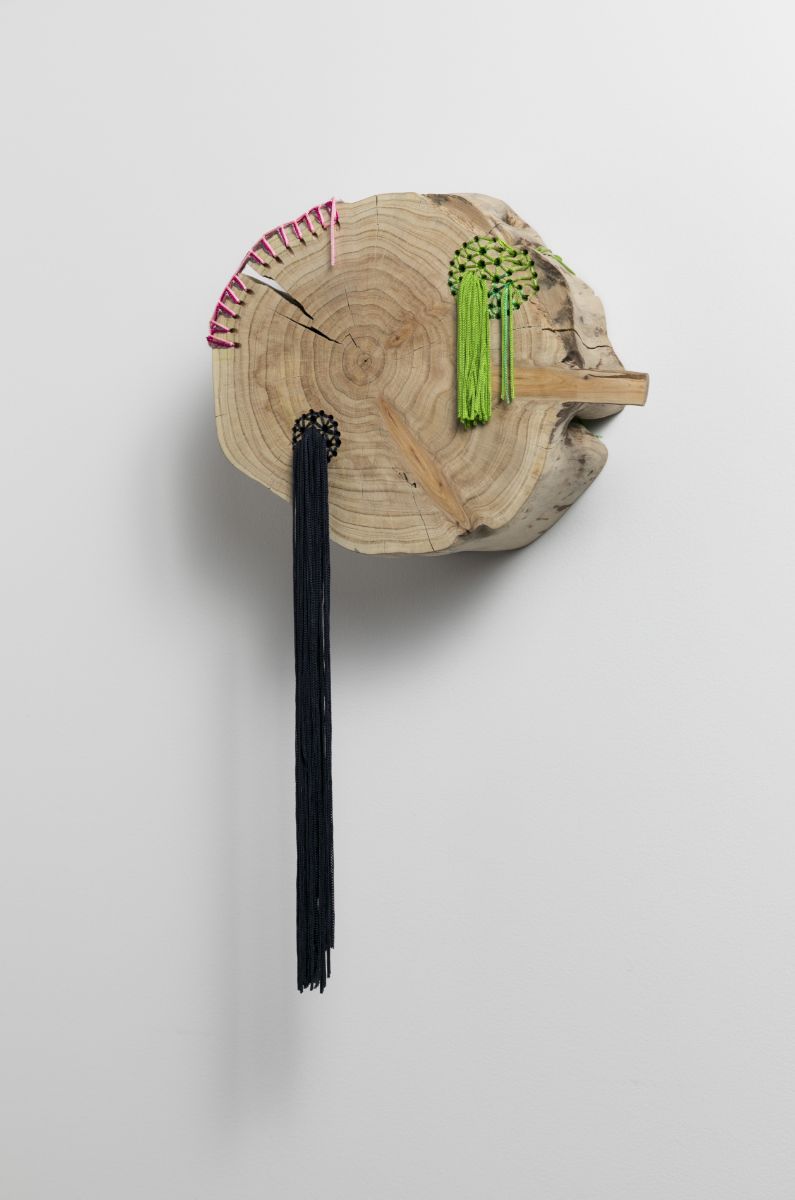

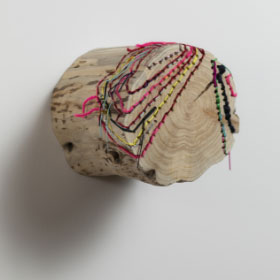
Spica
木、紐 Wood, string
17x22x8cm
2021
17x22x8cm
2021
Au fil du temps(オ・フィル・ドゥ・タン)/ ときを縫う
「時のつながりや時代を越えて受け継がれること」を木と紐を使って表現している。
Au fil du tempsはフランス語で時の流れ、時の重なり、時を越えるという意味の熟語である。Filは縫糸、縫う、Tempsは時間という単語が含まれている。
「時を超える」は、「時を縫う」なのだろうか?
木という素材は、時を経て成長した年輪がある。時の重なりと蓄積が見える。そこに穴を開ける。その穴は、一気に時代をワープして、時を越えていく。
木を縫う。開けた穴に紐を縫っていく。その越えていった時をもう一度思い起こす。
時をワープした幾つもの穴を、下から上へと縫っていく紐は、過去、現在を何度も行き来している。それは、私たちが、後悔して悲しんだり、想い出に浸ったり、過去に思いを馳せたりする日常に似ている。
刃物で穴を切っていく行為は男性的な面を持ち、針で縫う事は女性的である。その両面を持ち合わせ、できていく作品に人と人の関係性から生命が繋がっていく事をも感じる。
Au fil du tempsはフランス語で時の流れ、時の重なり、時を越えるという意味の熟語である。Filは縫糸、縫う、Tempsは時間という単語が含まれている。
「時を超える」は、「時を縫う」なのだろうか?
木という素材は、時を経て成長した年輪がある。時の重なりと蓄積が見える。そこに穴を開ける。その穴は、一気に時代をワープして、時を越えていく。
木を縫う。開けた穴に紐を縫っていく。その越えていった時をもう一度思い起こす。
時をワープした幾つもの穴を、下から上へと縫っていく紐は、過去、現在を何度も行き来している。それは、私たちが、後悔して悲しんだり、想い出に浸ったり、過去に思いを馳せたりする日常に似ている。
刃物で穴を切っていく行為は男性的な面を持ち、針で縫う事は女性的である。その両面を持ち合わせ、できていく作品に人と人の関係性から生命が繋がっていく事をも感じる。
Au fil du temps (Transcend time and space) / Sew time
I express “connections through time and things that are passed down generation by generation” using wood and string.
Au fil du temps is a French phrase that refers to the flow of time, the passage of time, and things that are timeless. It contains fil, which means thread or sow, and temps, which refers to time.
Why is being timelessness expressed as sewing time?
Wood contains growth rings that show its growth over the years. You can see the passage and build up of time. I open holes in them. The holes represent moving through time to warp into past ages.
I sew the wood. I pass thread through the holes, and look back at the time that I have traversed.
The thread binds the holes from the bottom up as they jump through a number of warps, to repeatedly traverse the past, present, and future. It is similar to how we spend our days looking back and regretting the past, or enjoying our memories.
The act of cutting the holes with a blade has a masculine aspect to it, and sewing with a needle has a feminine one. Both of these aspects helps one to feel the connection between lives that arises from the relationships between people.
Au fil du temps is a French phrase that refers to the flow of time, the passage of time, and things that are timeless. It contains fil, which means thread or sow, and temps, which refers to time.
Why is being timelessness expressed as sewing time?
Wood contains growth rings that show its growth over the years. You can see the passage and build up of time. I open holes in them. The holes represent moving through time to warp into past ages.
I sew the wood. I pass thread through the holes, and look back at the time that I have traversed.
The thread binds the holes from the bottom up as they jump through a number of warps, to repeatedly traverse the past, present, and future. It is similar to how we spend our days looking back and regretting the past, or enjoying our memories.
The act of cutting the holes with a blade has a masculine aspect to it, and sewing with a needle has a feminine one. Both of these aspects helps one to feel the connection between lives that arises from the relationships between people.
Coudre le temps au fil du temps
Fils et bois expriment dans cette série d’oeuvres la transition « au fils du temps ».
A travers ses veines le bois nous dévoile son temps.
L'aiguille perce le bois et le fils traverse ce temps d'hivers et de printemps.
Coudre le bois pour lier le passé au présent dans le va et vient de ma mémoire et se souvenir.
D'un geste masculin je tranche bois et d'une autre féminin je le coud afin de tisser dans cette consubstantialité le dessin de mes émotions qui s'entremêlement.
A travers ses veines le bois nous dévoile son temps.
L'aiguille perce le bois et le fils traverse ce temps d'hivers et de printemps.
Coudre le bois pour lier le passé au présent dans le va et vient de ma mémoire et se souvenir.
D'un geste masculin je tranche bois et d'une autre féminin je le coud afin de tisser dans cette consubstantialité le dessin de mes émotions qui s'entremêlement.
< close >


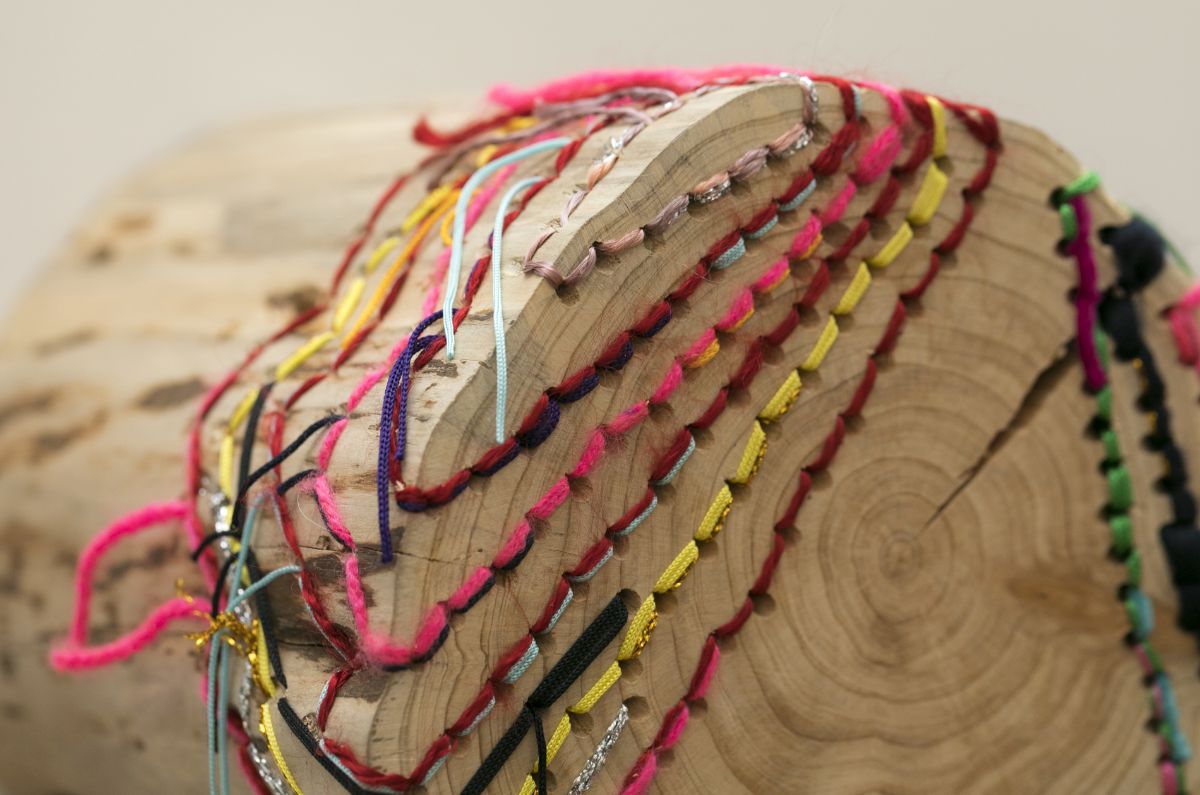
Sirius
木、紐 Wood, string
18,5x18x20cm
2021
18,5x18x20cm
2021
Au fil du temps(オ・フィル・ドゥ・タン)/ ときを縫う
「時のつながりや時代を越えて受け継がれること」を木と紐を使って表現している。
Au fil du tempsはフランス語で時の流れ、時の重なり、時を越えるという意味の熟語である。Filは縫糸、縫う、Tempsは時間という単語が含まれている。
「時を超える」は、「時を縫う」なのだろうか?
木という素材は、時を経て成長した年輪がある。時の重なりと蓄積が見える。そこに穴を開ける。その穴は、一気に時代をワープして、時を越えていく。
木を縫う。開けた穴に紐を縫っていく。その越えていった時をもう一度思い起こす。
時をワープした幾つもの穴を、下から上へと縫っていく紐は、過去、現在を何度も行き来している。それは、私たちが、後悔して悲しんだり、想い出に浸ったり、過去に思いを馳せたりする日常に似ている。
刃物で穴を切っていく行為は男性的な面を持ち、針で縫う事は女性的である。その両面を持ち合わせ、できていく作品に人と人の関係性から生命が繋がっていく事をも感じる。
Au fil du tempsはフランス語で時の流れ、時の重なり、時を越えるという意味の熟語である。Filは縫糸、縫う、Tempsは時間という単語が含まれている。
「時を超える」は、「時を縫う」なのだろうか?
木という素材は、時を経て成長した年輪がある。時の重なりと蓄積が見える。そこに穴を開ける。その穴は、一気に時代をワープして、時を越えていく。
木を縫う。開けた穴に紐を縫っていく。その越えていった時をもう一度思い起こす。
時をワープした幾つもの穴を、下から上へと縫っていく紐は、過去、現在を何度も行き来している。それは、私たちが、後悔して悲しんだり、想い出に浸ったり、過去に思いを馳せたりする日常に似ている。
刃物で穴を切っていく行為は男性的な面を持ち、針で縫う事は女性的である。その両面を持ち合わせ、できていく作品に人と人の関係性から生命が繋がっていく事をも感じる。
Au fil du temps (Transcend time and space) / Sew time
I express “connections through time and things that are passed down generation by generation” using wood and string.
Au fil du temps is a French phrase that refers to the flow of time, the passage of time, and things that are timeless. It contains fil, which means thread or sow, and temps, which refers to time.
Why is being timelessness expressed as sewing time?
Wood contains growth rings that show its growth over the years. You can see the passage and build up of time. I open holes in them. The holes represent moving through time to warp into past ages.
I sew the wood. I pass thread through the holes, and look back at the time that I have traversed.
The thread binds the holes from the bottom up as they jump through a number of warps, to repeatedly traverse the past, present, and future. It is similar to how we spend our days looking back and regretting the past, or enjoying our memories.
The act of cutting the holes with a blade has a masculine aspect to it, and sewing with a needle has a feminine one. Both of these aspects helps one to feel the connection between lives that arises from the relationships between people.
Au fil du temps is a French phrase that refers to the flow of time, the passage of time, and things that are timeless. It contains fil, which means thread or sow, and temps, which refers to time.
Why is being timelessness expressed as sewing time?
Wood contains growth rings that show its growth over the years. You can see the passage and build up of time. I open holes in them. The holes represent moving through time to warp into past ages.
I sew the wood. I pass thread through the holes, and look back at the time that I have traversed.
The thread binds the holes from the bottom up as they jump through a number of warps, to repeatedly traverse the past, present, and future. It is similar to how we spend our days looking back and regretting the past, or enjoying our memories.
The act of cutting the holes with a blade has a masculine aspect to it, and sewing with a needle has a feminine one. Both of these aspects helps one to feel the connection between lives that arises from the relationships between people.
Coudre le temps au fil du temps
Fils et bois expriment dans cette série d’oeuvres la transition « au fils du temps ».
A travers ses veines le bois nous dévoile son temps.
L'aiguille perce le bois et le fils traverse ce temps d'hivers et de printemps.
Coudre le bois pour lier le passé au présent dans le va et vient de ma mémoire et se souvenir.
D'un geste masculin je tranche bois et d'une autre féminin je le coud afin de tisser dans cette consubstantialité le dessin de mes émotions qui s'entremêlement.
A travers ses veines le bois nous dévoile son temps.
L'aiguille perce le bois et le fils traverse ce temps d'hivers et de printemps.
Coudre le bois pour lier le passé au présent dans le va et vient de ma mémoire et se souvenir.
D'un geste masculin je tranche bois et d'une autre féminin je le coud afin de tisser dans cette consubstantialité le dessin de mes émotions qui s'entremêlement.
< close >


Dernier quartier / First quarter
木、紐、着彩 Wood, strings, paint
24(90)x12x4cm *( ) 紐を含む / Size including string
2021
24(90)x12x4cm *( ) 紐を含む / Size including string
2021
Au fil du temps(オ・フィル・ドゥ・タン)/ ときを縫う
「時のつながりや時代を越えて受け継がれること」を木と紐を使って表現している。
Au fil du tempsはフランス語で時の流れ、時の重なり、時を越えるという意味の熟語である。Filは縫糸、縫う、Tempsは時間という単語が含まれている。
「時を超える」は、「時を縫う」なのだろうか?
木という素材は、時を経て成長した年輪がある。時の重なりと蓄積が見える。そこに穴を開ける。その穴は、一気に時代をワープして、時を越えていく。
木を縫う。開けた穴に紐を縫っていく。その越えていった時をもう一度思い起こす。
時をワープした幾つもの穴を、下から上へと縫っていく紐は、過去、現在を何度も行き来している。それは、私たちが、後悔して悲しんだり、想い出に浸ったり、過去に思いを馳せたりする日常に似ている。
刃物で穴を切っていく行為は男性的な面を持ち、針で縫う事は女性的である。その両面を持ち合わせ、できていく作品に人と人の関係性から生命が繋がっていく事をも感じる。
Au fil du tempsはフランス語で時の流れ、時の重なり、時を越えるという意味の熟語である。Filは縫糸、縫う、Tempsは時間という単語が含まれている。
「時を超える」は、「時を縫う」なのだろうか?
木という素材は、時を経て成長した年輪がある。時の重なりと蓄積が見える。そこに穴を開ける。その穴は、一気に時代をワープして、時を越えていく。
木を縫う。開けた穴に紐を縫っていく。その越えていった時をもう一度思い起こす。
時をワープした幾つもの穴を、下から上へと縫っていく紐は、過去、現在を何度も行き来している。それは、私たちが、後悔して悲しんだり、想い出に浸ったり、過去に思いを馳せたりする日常に似ている。
刃物で穴を切っていく行為は男性的な面を持ち、針で縫う事は女性的である。その両面を持ち合わせ、できていく作品に人と人の関係性から生命が繋がっていく事をも感じる。
Au fil du temps (Transcend time and space) / Sew time
I express “connections through time and things that are passed down generation by generation” using wood and string.
Au fil du temps is a French phrase that refers to the flow of time, the passage of time, and things that are timeless. It contains fil, which means thread or sow, and temps, which refers to time.
Why is being timelessness expressed as sewing time?
Wood contains growth rings that show its growth over the years. You can see the passage and build up of time. I open holes in them. The holes represent moving through time to warp into past ages.
I sew the wood. I pass thread through the holes, and look back at the time that I have traversed.
The thread binds the holes from the bottom up as they jump through a number of warps, to repeatedly traverse the past, present, and future. It is similar to how we spend our days looking back and regretting the past, or enjoying our memories.
The act of cutting the holes with a blade has a masculine aspect to it, and sewing with a needle has a feminine one. Both of these aspects helps one to feel the connection between lives that arises from the relationships between people.
Au fil du temps is a French phrase that refers to the flow of time, the passage of time, and things that are timeless. It contains fil, which means thread or sow, and temps, which refers to time.
Why is being timelessness expressed as sewing time?
Wood contains growth rings that show its growth over the years. You can see the passage and build up of time. I open holes in them. The holes represent moving through time to warp into past ages.
I sew the wood. I pass thread through the holes, and look back at the time that I have traversed.
The thread binds the holes from the bottom up as they jump through a number of warps, to repeatedly traverse the past, present, and future. It is similar to how we spend our days looking back and regretting the past, or enjoying our memories.
The act of cutting the holes with a blade has a masculine aspect to it, and sewing with a needle has a feminine one. Both of these aspects helps one to feel the connection between lives that arises from the relationships between people.
Coudre le temps au fil du temps
Fils et bois expriment dans cette série d’oeuvres la transition « au fils du temps ».
A travers ses veines le bois nous dévoile son temps.
L'aiguille perce le bois et le fils traverse ce temps d'hivers et de printemps.
Coudre le bois pour lier le passé au présent dans le va et vient de ma mémoire et se souvenir.
D'un geste masculin je tranche bois et d'une autre féminin je le coud afin de tisser dans cette consubstantialité le dessin de mes émotions qui s'entremêlement.
A travers ses veines le bois nous dévoile son temps.
L'aiguille perce le bois et le fils traverse ce temps d'hivers et de printemps.
Coudre le bois pour lier le passé au présent dans le va et vient de ma mémoire et se souvenir.
D'un geste masculin je tranche bois et d'une autre féminin je le coud afin de tisser dans cette consubstantialité le dessin de mes émotions qui s'entremêlement.
< close >


コメット / Comet
木、紐 Wood, strings
15(65)x14x8cm *( ) 紐を含む / Size including string
2021
15(65)x14x8cm *( ) 紐を含む / Size including string
2021
Au fil du temps(オ・フィル・ドゥ・タン)/ ときを縫う
「時のつながりや時代を越えて受け継がれること」を木と紐を使って表現している。
Au fil du tempsはフランス語で時の流れ、時の重なり、時を越えるという意味の熟語である。Filは縫糸、縫う、Tempsは時間という単語が含まれている。
「時を超える」は、「時を縫う」なのだろうか?
木という素材は、時を経て成長した年輪がある。時の重なりと蓄積が見える。そこに穴を開ける。その穴は、一気に時代をワープして、時を越えていく。
木を縫う。開けた穴に紐を縫っていく。その越えていった時をもう一度思い起こす。
時をワープした幾つもの穴を、下から上へと縫っていく紐は、過去、現在を何度も行き来している。それは、私たちが、後悔して悲しんだり、想い出に浸ったり、過去に思いを馳せたりする日常に似ている。
刃物で穴を切っていく行為は男性的な面を持ち、針で縫う事は女性的である。その両面を持ち合わせ、できていく作品に人と人の関係性から生命が繋がっていく事をも感じる。
Au fil du tempsはフランス語で時の流れ、時の重なり、時を越えるという意味の熟語である。Filは縫糸、縫う、Tempsは時間という単語が含まれている。
「時を超える」は、「時を縫う」なのだろうか?
木という素材は、時を経て成長した年輪がある。時の重なりと蓄積が見える。そこに穴を開ける。その穴は、一気に時代をワープして、時を越えていく。
木を縫う。開けた穴に紐を縫っていく。その越えていった時をもう一度思い起こす。
時をワープした幾つもの穴を、下から上へと縫っていく紐は、過去、現在を何度も行き来している。それは、私たちが、後悔して悲しんだり、想い出に浸ったり、過去に思いを馳せたりする日常に似ている。
刃物で穴を切っていく行為は男性的な面を持ち、針で縫う事は女性的である。その両面を持ち合わせ、できていく作品に人と人の関係性から生命が繋がっていく事をも感じる。
Au fil du temps (Transcend time and space) / Sew time
I express “connections through time and things that are passed down generation by generation” using wood and string.
Au fil du temps is a French phrase that refers to the flow of time, the passage of time, and things that are timeless. It contains fil, which means thread or sow, and temps, which refers to time.
Why is being timelessness expressed as sewing time?
Wood contains growth rings that show its growth over the years. You can see the passage and build up of time. I open holes in them. The holes represent moving through time to warp into past ages.
I sew the wood. I pass thread through the holes, and look back at the time that I have traversed.
The thread binds the holes from the bottom up as they jump through a number of warps, to repeatedly traverse the past, present, and future. It is similar to how we spend our days looking back and regretting the past, or enjoying our memories.
The act of cutting the holes with a blade has a masculine aspect to it, and sewing with a needle has a feminine one. Both of these aspects helps one to feel the connection between lives that arises from the relationships between people.
Au fil du temps is a French phrase that refers to the flow of time, the passage of time, and things that are timeless. It contains fil, which means thread or sow, and temps, which refers to time.
Why is being timelessness expressed as sewing time?
Wood contains growth rings that show its growth over the years. You can see the passage and build up of time. I open holes in them. The holes represent moving through time to warp into past ages.
I sew the wood. I pass thread through the holes, and look back at the time that I have traversed.
The thread binds the holes from the bottom up as they jump through a number of warps, to repeatedly traverse the past, present, and future. It is similar to how we spend our days looking back and regretting the past, or enjoying our memories.
The act of cutting the holes with a blade has a masculine aspect to it, and sewing with a needle has a feminine one. Both of these aspects helps one to feel the connection between lives that arises from the relationships between people.
Coudre le temps au fil du temps
Fils et bois expriment dans cette série d’oeuvres la transition « au fils du temps ».
A travers ses veines le bois nous dévoile son temps.
L'aiguille perce le bois et le fils traverse ce temps d'hivers et de printemps.
Coudre le bois pour lier le passé au présent dans le va et vient de ma mémoire et se souvenir.
D'un geste masculin je tranche bois et d'une autre féminin je le coud afin de tisser dans cette consubstantialité le dessin de mes émotions qui s'entremêlement.
A travers ses veines le bois nous dévoile son temps.
L'aiguille perce le bois et le fils traverse ce temps d'hivers et de printemps.
Coudre le bois pour lier le passé au présent dans le va et vient de ma mémoire et se souvenir.
D'un geste masculin je tranche bois et d'une autre féminin je le coud afin de tisser dans cette consubstantialité le dessin de mes émotions qui s'entremêlement.
< close >

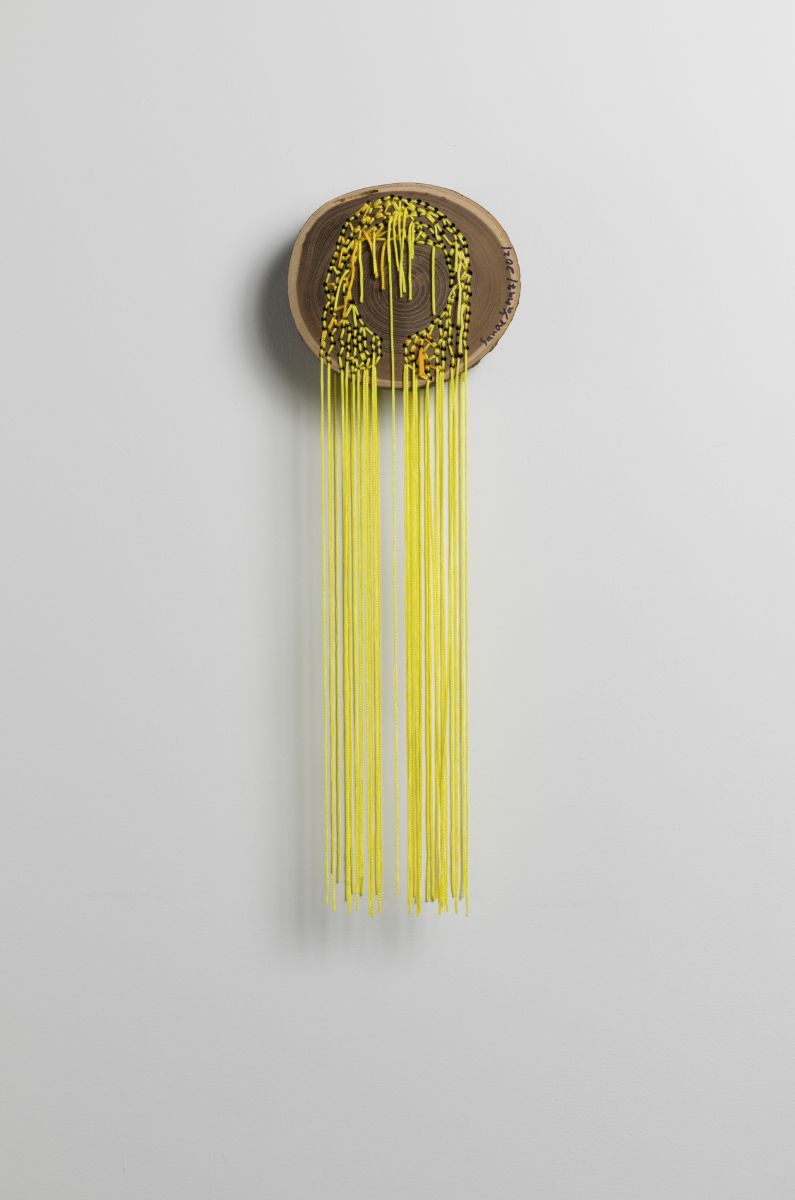
コメット / Comet
木、紐 Wood, strings
11(40)x12,5x3,5cm *( ) 紐を含む / Size including string
2021
11(40)x12,5x3,5cm *( ) 紐を含む / Size including string
2021
Au fil du temps(オ・フィル・ドゥ・タン)/ ときを縫う
「時のつながりや時代を越えて受け継がれること」を木と紐を使って表現している。
Au fil du tempsはフランス語で時の流れ、時の重なり、時を越えるという意味の熟語である。Filは縫糸、縫う、Tempsは時間という単語が含まれている。
「時を超える」は、「時を縫う」なのだろうか?
木という素材は、時を経て成長した年輪がある。時の重なりと蓄積が見える。そこに穴を開ける。その穴は、一気に時代をワープして、時を越えていく。
木を縫う。開けた穴に紐を縫っていく。その越えていった時をもう一度思い起こす。
時をワープした幾つもの穴を、下から上へと縫っていく紐は、過去、現在を何度も行き来している。それは、私たちが、後悔して悲しんだり、想い出に浸ったり、過去に思いを馳せたりする日常に似ている。
刃物で穴を切っていく行為は男性的な面を持ち、針で縫う事は女性的である。その両面を持ち合わせ、できていく作品に人と人の関係性から生命が繋がっていく事をも感じる。
Au fil du tempsはフランス語で時の流れ、時の重なり、時を越えるという意味の熟語である。Filは縫糸、縫う、Tempsは時間という単語が含まれている。
「時を超える」は、「時を縫う」なのだろうか?
木という素材は、時を経て成長した年輪がある。時の重なりと蓄積が見える。そこに穴を開ける。その穴は、一気に時代をワープして、時を越えていく。
木を縫う。開けた穴に紐を縫っていく。その越えていった時をもう一度思い起こす。
時をワープした幾つもの穴を、下から上へと縫っていく紐は、過去、現在を何度も行き来している。それは、私たちが、後悔して悲しんだり、想い出に浸ったり、過去に思いを馳せたりする日常に似ている。
刃物で穴を切っていく行為は男性的な面を持ち、針で縫う事は女性的である。その両面を持ち合わせ、できていく作品に人と人の関係性から生命が繋がっていく事をも感じる。
Au fil du temps (Transcend time and space) / Sew time
I express “connections through time and things that are passed down generation by generation” using wood and string.
Au fil du temps is a French phrase that refers to the flow of time, the passage of time, and things that are timeless. It contains fil, which means thread or sow, and temps, which refers to time.
Why is being timelessness expressed as sewing time?
Wood contains growth rings that show its growth over the years. You can see the passage and build up of time. I open holes in them. The holes represent moving through time to warp into past ages.
I sew the wood. I pass thread through the holes, and look back at the time that I have traversed.
The thread binds the holes from the bottom up as they jump through a number of warps, to repeatedly traverse the past, present, and future. It is similar to how we spend our days looking back and regretting the past, or enjoying our memories.
The act of cutting the holes with a blade has a masculine aspect to it, and sewing with a needle has a feminine one. Both of these aspects helps one to feel the connection between lives that arises from the relationships between people.
Au fil du temps is a French phrase that refers to the flow of time, the passage of time, and things that are timeless. It contains fil, which means thread or sow, and temps, which refers to time.
Why is being timelessness expressed as sewing time?
Wood contains growth rings that show its growth over the years. You can see the passage and build up of time. I open holes in them. The holes represent moving through time to warp into past ages.
I sew the wood. I pass thread through the holes, and look back at the time that I have traversed.
The thread binds the holes from the bottom up as they jump through a number of warps, to repeatedly traverse the past, present, and future. It is similar to how we spend our days looking back and regretting the past, or enjoying our memories.
The act of cutting the holes with a blade has a masculine aspect to it, and sewing with a needle has a feminine one. Both of these aspects helps one to feel the connection between lives that arises from the relationships between people.
Coudre le temps au fil du temps
Fils et bois expriment dans cette série d’oeuvres la transition « au fils du temps ».
A travers ses veines le bois nous dévoile son temps.
L'aiguille perce le bois et le fils traverse ce temps d'hivers et de printemps.
Coudre le bois pour lier le passé au présent dans le va et vient de ma mémoire et se souvenir.
D'un geste masculin je tranche bois et d'une autre féminin je le coud afin de tisser dans cette consubstantialité le dessin de mes émotions qui s'entremêlement.
A travers ses veines le bois nous dévoile son temps.
L'aiguille perce le bois et le fils traverse ce temps d'hivers et de printemps.
Coudre le bois pour lier le passé au présent dans le va et vient de ma mémoire et se souvenir.
D'un geste masculin je tranche bois et d'une autre féminin je le coud afin de tisser dans cette consubstantialité le dessin de mes émotions qui s'entremêlement.
< close >


Étoile
木、紐、着彩 Wood, strings, paint
20x11x9cm
2021
20x11x9cm
2021
Au fil du temps(オ・フィル・ドゥ・タン)/ ときを縫う
「時のつながりや時代を越えて受け継がれること」を木と紐を使って表現している。
Au fil du tempsはフランス語で時の流れ、時の重なり、時を越えるという意味の熟語である。Filは縫糸、縫う、Tempsは時間という単語が含まれている。
「時を超える」は、「時を縫う」なのだろうか?
木という素材は、時を経て成長した年輪がある。時の重なりと蓄積が見える。そこに穴を開ける。その穴は、一気に時代をワープして、時を越えていく。
木を縫う。開けた穴に紐を縫っていく。その越えていった時をもう一度思い起こす。
時をワープした幾つもの穴を、下から上へと縫っていく紐は、過去、現在を何度も行き来している。それは、私たちが、後悔して悲しんだり、想い出に浸ったり、過去に思いを馳せたりする日常に似ている。
刃物で穴を切っていく行為は男性的な面を持ち、針で縫う事は女性的である。その両面を持ち合わせ、できていく作品に人と人の関係性から生命が繋がっていく事をも感じる。
Au fil du tempsはフランス語で時の流れ、時の重なり、時を越えるという意味の熟語である。Filは縫糸、縫う、Tempsは時間という単語が含まれている。
「時を超える」は、「時を縫う」なのだろうか?
木という素材は、時を経て成長した年輪がある。時の重なりと蓄積が見える。そこに穴を開ける。その穴は、一気に時代をワープして、時を越えていく。
木を縫う。開けた穴に紐を縫っていく。その越えていった時をもう一度思い起こす。
時をワープした幾つもの穴を、下から上へと縫っていく紐は、過去、現在を何度も行き来している。それは、私たちが、後悔して悲しんだり、想い出に浸ったり、過去に思いを馳せたりする日常に似ている。
刃物で穴を切っていく行為は男性的な面を持ち、針で縫う事は女性的である。その両面を持ち合わせ、できていく作品に人と人の関係性から生命が繋がっていく事をも感じる。
Au fil du temps (Transcend time and space) / Sew time
I express “connections through time and things that are passed down generation by generation” using wood and string.
Au fil du temps is a French phrase that refers to the flow of time, the passage of time, and things that are timeless. It contains fil, which means thread or sow, and temps, which refers to time.
Why is being timelessness expressed as sewing time?
Wood contains growth rings that show its growth over the years. You can see the passage and build up of time. I open holes in them. The holes represent moving through time to warp into past ages.
I sew the wood. I pass thread through the holes, and look back at the time that I have traversed.
The thread binds the holes from the bottom up as they jump through a number of warps, to repeatedly traverse the past, present, and future. It is similar to how we spend our days looking back and regretting the past, or enjoying our memories.
The act of cutting the holes with a blade has a masculine aspect to it, and sewing with a needle has a feminine one. Both of these aspects helps one to feel the connection between lives that arises from the relationships between people.
Au fil du temps is a French phrase that refers to the flow of time, the passage of time, and things that are timeless. It contains fil, which means thread or sow, and temps, which refers to time.
Why is being timelessness expressed as sewing time?
Wood contains growth rings that show its growth over the years. You can see the passage and build up of time. I open holes in them. The holes represent moving through time to warp into past ages.
I sew the wood. I pass thread through the holes, and look back at the time that I have traversed.
The thread binds the holes from the bottom up as they jump through a number of warps, to repeatedly traverse the past, present, and future. It is similar to how we spend our days looking back and regretting the past, or enjoying our memories.
The act of cutting the holes with a blade has a masculine aspect to it, and sewing with a needle has a feminine one. Both of these aspects helps one to feel the connection between lives that arises from the relationships between people.
Coudre le temps au fil du temps
Fils et bois expriment dans cette série d’oeuvres la transition « au fils du temps ».
A travers ses veines le bois nous dévoile son temps.
L'aiguille perce le bois et le fils traverse ce temps d'hivers et de printemps.
Coudre le bois pour lier le passé au présent dans le va et vient de ma mémoire et se souvenir.
D'un geste masculin je tranche bois et d'une autre féminin je le coud afin de tisser dans cette consubstantialité le dessin de mes émotions qui s'entremêlement.
A travers ses veines le bois nous dévoile son temps.
L'aiguille perce le bois et le fils traverse ce temps d'hivers et de printemps.
Coudre le bois pour lier le passé au présent dans le va et vient de ma mémoire et se souvenir.
D'un geste masculin je tranche bois et d'une autre féminin je le coud afin de tisser dans cette consubstantialité le dessin de mes émotions qui s'entremêlement.
< close >


Étoile
木、紐、着彩 Wood, strings, paint
12x10x10cm
2021
12x10x10cm
2021
Au fil du temps(オ・フィル・ドゥ・タン)/ ときを縫う
「時のつながりや時代を越えて受け継がれること」を木と紐を使って表現している。
Au fil du tempsはフランス語で時の流れ、時の重なり、時を越えるという意味の熟語である。Filは縫糸、縫う、Tempsは時間という単語が含まれている。
「時を超える」は、「時を縫う」なのだろうか?
木という素材は、時を経て成長した年輪がある。時の重なりと蓄積が見える。そこに穴を開ける。その穴は、一気に時代をワープして、時を越えていく。
木を縫う。開けた穴に紐を縫っていく。その越えていった時をもう一度思い起こす。
時をワープした幾つもの穴を、下から上へと縫っていく紐は、過去、現在を何度も行き来している。それは、私たちが、後悔して悲しんだり、想い出に浸ったり、過去に思いを馳せたりする日常に似ている。
刃物で穴を切っていく行為は男性的な面を持ち、針で縫う事は女性的である。その両面を持ち合わせ、できていく作品に人と人の関係性から生命が繋がっていく事をも感じる。
Au fil du tempsはフランス語で時の流れ、時の重なり、時を越えるという意味の熟語である。Filは縫糸、縫う、Tempsは時間という単語が含まれている。
「時を超える」は、「時を縫う」なのだろうか?
木という素材は、時を経て成長した年輪がある。時の重なりと蓄積が見える。そこに穴を開ける。その穴は、一気に時代をワープして、時を越えていく。
木を縫う。開けた穴に紐を縫っていく。その越えていった時をもう一度思い起こす。
時をワープした幾つもの穴を、下から上へと縫っていく紐は、過去、現在を何度も行き来している。それは、私たちが、後悔して悲しんだり、想い出に浸ったり、過去に思いを馳せたりする日常に似ている。
刃物で穴を切っていく行為は男性的な面を持ち、針で縫う事は女性的である。その両面を持ち合わせ、できていく作品に人と人の関係性から生命が繋がっていく事をも感じる。
Au fil du temps (Transcend time and space) / Sew time
I express “connections through time and things that are passed down generation by generation” using wood and string.
Au fil du temps is a French phrase that refers to the flow of time, the passage of time, and things that are timeless. It contains fil, which means thread or sow, and temps, which refers to time.
Why is being timelessness expressed as sewing time?
Wood contains growth rings that show its growth over the years. You can see the passage and build up of time. I open holes in them. The holes represent moving through time to warp into past ages.
I sew the wood. I pass thread through the holes, and look back at the time that I have traversed.
The thread binds the holes from the bottom up as they jump through a number of warps, to repeatedly traverse the past, present, and future. It is similar to how we spend our days looking back and regretting the past, or enjoying our memories.
The act of cutting the holes with a blade has a masculine aspect to it, and sewing with a needle has a feminine one. Both of these aspects helps one to feel the connection between lives that arises from the relationships between people.
Au fil du temps is a French phrase that refers to the flow of time, the passage of time, and things that are timeless. It contains fil, which means thread or sow, and temps, which refers to time.
Why is being timelessness expressed as sewing time?
Wood contains growth rings that show its growth over the years. You can see the passage and build up of time. I open holes in them. The holes represent moving through time to warp into past ages.
I sew the wood. I pass thread through the holes, and look back at the time that I have traversed.
The thread binds the holes from the bottom up as they jump through a number of warps, to repeatedly traverse the past, present, and future. It is similar to how we spend our days looking back and regretting the past, or enjoying our memories.
The act of cutting the holes with a blade has a masculine aspect to it, and sewing with a needle has a feminine one. Both of these aspects helps one to feel the connection between lives that arises from the relationships between people.
Coudre le temps au fil du temps
Fils et bois expriment dans cette série d’oeuvres la transition « au fils du temps ».
A travers ses veines le bois nous dévoile son temps.
L'aiguille perce le bois et le fils traverse ce temps d'hivers et de printemps.
Coudre le bois pour lier le passé au présent dans le va et vient de ma mémoire et se souvenir.
D'un geste masculin je tranche bois et d'une autre féminin je le coud afin de tisser dans cette consubstantialité le dessin de mes émotions qui s'entremêlement.
A travers ses veines le bois nous dévoile son temps.
L'aiguille perce le bois et le fils traverse ce temps d'hivers et de printemps.
Coudre le bois pour lier le passé au présent dans le va et vient de ma mémoire et se souvenir.
D'un geste masculin je tranche bois et d'une autre féminin je le coud afin de tisser dans cette consubstantialité le dessin de mes émotions qui s'entremêlement.
< close >


コールセレストゥ / Celestial body
木、紐、着彩 Wood, string, coloring
36×26×18cm
2020
36×26×18cm
2020
Au fil du temps(オ・フィル・ドゥ・タン)/ ときを縫う
「時のつながりや時代を越えて受け継がれること」を木と紐を使って表現している。
Au fil du tempsはフランス語で時の流れ、時の重なり、時を越えるという意味の熟語である。Filは縫糸、縫う、Tempsは時間という単語が含まれている。
「時を超える」は、「時を縫う」なのだろうか?
木という素材は、時を経て成長した年輪がある。時の重なりと蓄積が見える。そこに穴を開ける。その穴は、一気に時代をワープして、時を越えていく。
木を縫う。開けた穴に紐を縫っていく。その越えていった時をもう一度思い起こす。
時をワープした幾つもの穴を、下から上へと縫っていく紐は、過去、現在を何度も行き来している。それは、私たちが、後悔して悲しんだり、想い出に浸ったり、過去に思いを馳せたりする日常に似ている。
刃物で穴を切っていく行為は男性的な面を持ち、針で縫う事は女性的である。その両面を持ち合わせ、できていく作品に人と人の関係性から生命が繋がっていく事をも感じる。
Au fil du tempsはフランス語で時の流れ、時の重なり、時を越えるという意味の熟語である。Filは縫糸、縫う、Tempsは時間という単語が含まれている。
「時を超える」は、「時を縫う」なのだろうか?
木という素材は、時を経て成長した年輪がある。時の重なりと蓄積が見える。そこに穴を開ける。その穴は、一気に時代をワープして、時を越えていく。
木を縫う。開けた穴に紐を縫っていく。その越えていった時をもう一度思い起こす。
時をワープした幾つもの穴を、下から上へと縫っていく紐は、過去、現在を何度も行き来している。それは、私たちが、後悔して悲しんだり、想い出に浸ったり、過去に思いを馳せたりする日常に似ている。
刃物で穴を切っていく行為は男性的な面を持ち、針で縫う事は女性的である。その両面を持ち合わせ、できていく作品に人と人の関係性から生命が繋がっていく事をも感じる。
Au fil du temps (Transcend time and space) / Sew time
I express “connections through time and things that are passed down generation by generation” using wood and string.
Au fil du temps is a French phrase that refers to the flow of time, the passage of time, and things that are timeless. It contains fil, which means thread or sow, and temps, which refers to time.
Why is being timelessness expressed as sewing time?
Wood contains growth rings that show its growth over the years. You can see the passage and build up of time. I open holes in them. The holes represent moving through time to warp into past ages.
I sew the wood. I pass thread through the holes, and look back at the time that I have traversed.
The thread binds the holes from the bottom up as they jump through a number of warps, to repeatedly traverse the past, present, and future. It is similar to how we spend our days looking back and regretting the past, or enjoying our memories.
The act of cutting the holes with a blade has a masculine aspect to it, and sewing with a needle has a feminine one. Both of these aspects helps one to feel the connection between lives that arises from the relationships between people.
Au fil du temps is a French phrase that refers to the flow of time, the passage of time, and things that are timeless. It contains fil, which means thread or sow, and temps, which refers to time.
Why is being timelessness expressed as sewing time?
Wood contains growth rings that show its growth over the years. You can see the passage and build up of time. I open holes in them. The holes represent moving through time to warp into past ages.
I sew the wood. I pass thread through the holes, and look back at the time that I have traversed.
The thread binds the holes from the bottom up as they jump through a number of warps, to repeatedly traverse the past, present, and future. It is similar to how we spend our days looking back and regretting the past, or enjoying our memories.
The act of cutting the holes with a blade has a masculine aspect to it, and sewing with a needle has a feminine one. Both of these aspects helps one to feel the connection between lives that arises from the relationships between people.
Coudre le temps au fil du temps
Fils et bois expriment dans cette série d’oeuvres la transition « au fils du temps ».
A travers ses veines le bois nous dévoile son temps.
L'aiguille perce le bois et le fils traverse ce temps d'hivers et de printemps.
Coudre le bois pour lier le passé au présent dans le va et vient de ma mémoire et se souvenir.
D'un geste masculin je tranche bois et d'une autre féminin je le coud afin de tisser dans cette consubstantialité le dessin de mes émotions qui s'entremêlement.
A travers ses veines le bois nous dévoile son temps.
L'aiguille perce le bois et le fils traverse ce temps d'hivers et de printemps.
Coudre le bois pour lier le passé au présent dans le va et vient de ma mémoire et se souvenir.
D'un geste masculin je tranche bois et d'une autre féminin je le coud afin de tisser dans cette consubstantialité le dessin de mes émotions qui s'entremêlement.
< close >

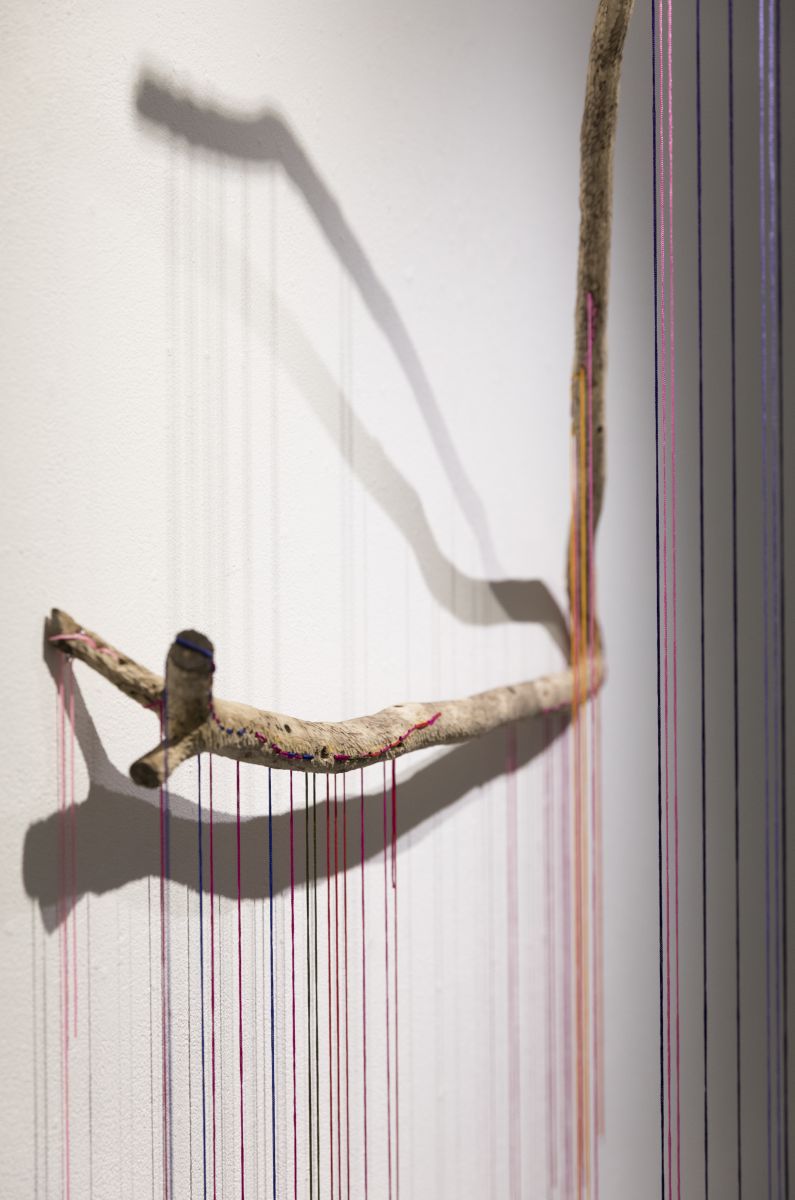
コールセレストゥ / Celestial body
木、紐 Wood, string
70(140)×90×20cm *( ) 紐を含む / Size including string
2020
70(140)×90×20cm *( ) 紐を含む / Size including string
2020
Au fil du temps(オ・フィル・ドゥ・タン)/ ときを縫う
「時のつながりや時代を越えて受け継がれること」を木と紐を使って表現している。
Au fil du tempsはフランス語で時の流れ、時の重なり、時を越えるという意味の熟語である。Filは縫糸、縫う、Tempsは時間という単語が含まれている。
「時を超える」は、「時を縫う」なのだろうか?
木という素材は、時を経て成長した年輪がある。時の重なりと蓄積が見える。そこに穴を開ける。その穴は、一気に時代をワープして、時を越えていく。
木を縫う。開けた穴に紐を縫っていく。その越えていった時をもう一度思い起こす。
時をワープした幾つもの穴を、下から上へと縫っていく紐は、過去、現在を何度も行き来している。それは、私たちが、後悔して悲しんだり、想い出に浸ったり、過去に思いを馳せたりする日常に似ている。
刃物で穴を切っていく行為は男性的な面を持ち、針で縫う事は女性的である。その両面を持ち合わせ、できていく作品に人と人の関係性から生命が繋がっていく事をも感じる。
Au fil du tempsはフランス語で時の流れ、時の重なり、時を越えるという意味の熟語である。Filは縫糸、縫う、Tempsは時間という単語が含まれている。
「時を超える」は、「時を縫う」なのだろうか?
木という素材は、時を経て成長した年輪がある。時の重なりと蓄積が見える。そこに穴を開ける。その穴は、一気に時代をワープして、時を越えていく。
木を縫う。開けた穴に紐を縫っていく。その越えていった時をもう一度思い起こす。
時をワープした幾つもの穴を、下から上へと縫っていく紐は、過去、現在を何度も行き来している。それは、私たちが、後悔して悲しんだり、想い出に浸ったり、過去に思いを馳せたりする日常に似ている。
刃物で穴を切っていく行為は男性的な面を持ち、針で縫う事は女性的である。その両面を持ち合わせ、できていく作品に人と人の関係性から生命が繋がっていく事をも感じる。
Au fil du temps (Transcend time and space) / Sew time
I express “connections through time and things that are passed down generation by generation” using wood and string.
Au fil du temps is a French phrase that refers to the flow of time, the passage of time, and things that are timeless. It contains fil, which means thread or sow, and temps, which refers to time.
Why is being timelessness expressed as sewing time?
Wood contains growth rings that show its growth over the years. You can see the passage and build up of time. I open holes in them. The holes represent moving through time to warp into past ages.
I sew the wood. I pass thread through the holes, and look back at the time that I have traversed.
The thread binds the holes from the bottom up as they jump through a number of warps, to repeatedly traverse the past, present, and future. It is similar to how we spend our days looking back and regretting the past, or enjoying our memories.
The act of cutting the holes with a blade has a masculine aspect to it, and sewing with a needle has a feminine one. Both of these aspects helps one to feel the connection between lives that arises from the relationships between people.
Au fil du temps is a French phrase that refers to the flow of time, the passage of time, and things that are timeless. It contains fil, which means thread or sow, and temps, which refers to time.
Why is being timelessness expressed as sewing time?
Wood contains growth rings that show its growth over the years. You can see the passage and build up of time. I open holes in them. The holes represent moving through time to warp into past ages.
I sew the wood. I pass thread through the holes, and look back at the time that I have traversed.
The thread binds the holes from the bottom up as they jump through a number of warps, to repeatedly traverse the past, present, and future. It is similar to how we spend our days looking back and regretting the past, or enjoying our memories.
The act of cutting the holes with a blade has a masculine aspect to it, and sewing with a needle has a feminine one. Both of these aspects helps one to feel the connection between lives that arises from the relationships between people.
Coudre le temps au fil du temps
Fils et bois expriment dans cette série d’oeuvres la transition « au fils du temps ».
A travers ses veines le bois nous dévoile son temps.
L'aiguille perce le bois et le fils traverse ce temps d'hivers et de printemps.
Coudre le bois pour lier le passé au présent dans le va et vient de ma mémoire et se souvenir.
D'un geste masculin je tranche bois et d'une autre féminin je le coud afin de tisser dans cette consubstantialité le dessin de mes émotions qui s'entremêlement.
A travers ses veines le bois nous dévoile son temps.
L'aiguille perce le bois et le fils traverse ce temps d'hivers et de printemps.
Coudre le bois pour lier le passé au présent dans le va et vient de ma mémoire et se souvenir.
D'un geste masculin je tranche bois et d'une autre féminin je le coud afin de tisser dans cette consubstantialité le dessin de mes émotions qui s'entremêlement.
< close >

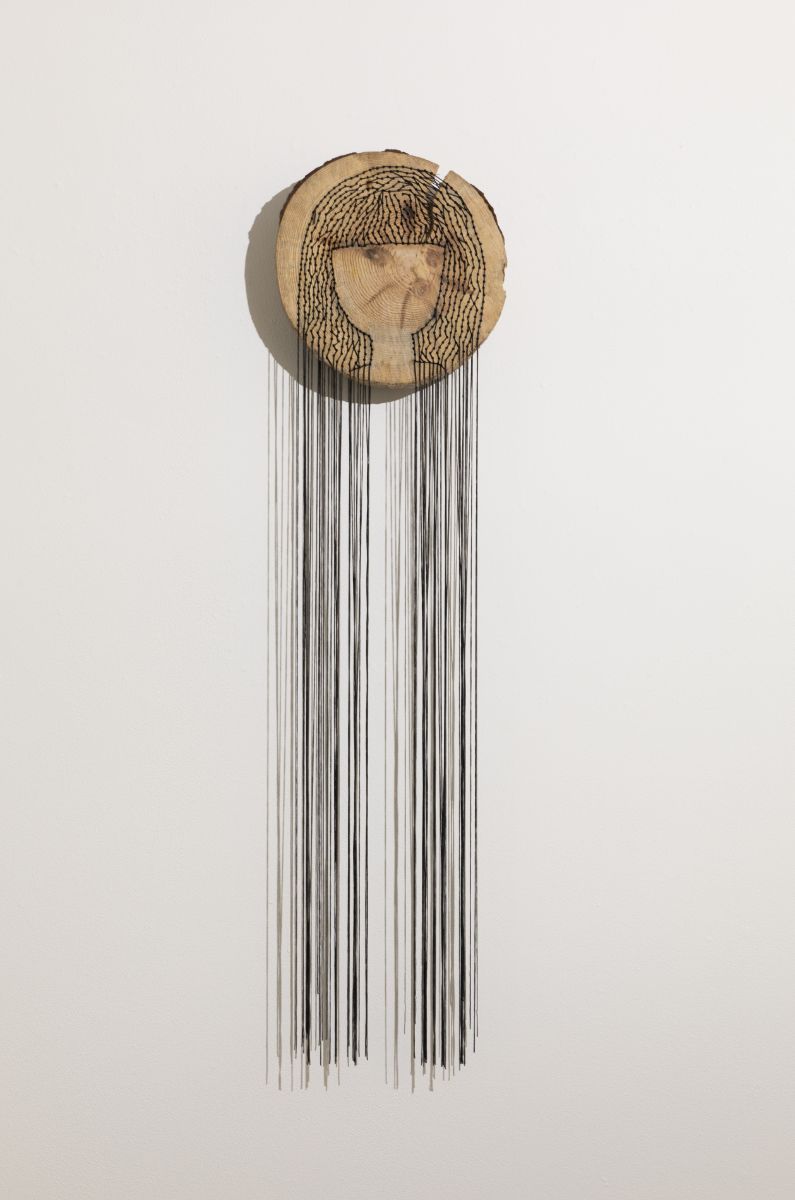
ユニヴェール / Universe
木、紐 Wood, string
29(140)×29×5cm *( ) 紐を含む / Size including string
2020
29(140)×29×5cm *( ) 紐を含む / Size including string
2020
Au fil du temps(オ・フィル・ドゥ・タン)/ ときを縫う
「時のつながりや時代を越えて受け継がれること」を木と紐を使って表現している。
Au fil du tempsはフランス語で時の流れ、時の重なり、時を越えるという意味の熟語である。Filは縫糸、縫う、Tempsは時間という単語が含まれている。
「時を超える」は、「時を縫う」なのだろうか?
木という素材は、時を経て成長した年輪がある。時の重なりと蓄積が見える。そこに穴を開ける。その穴は、一気に時代をワープして、時を越えていく。
木を縫う。開けた穴に紐を縫っていく。その越えていった時をもう一度思い起こす。
時をワープした幾つもの穴を、下から上へと縫っていく紐は、過去、現在を何度も行き来している。それは、私たちが、後悔して悲しんだり、想い出に浸ったり、過去に思いを馳せたりする日常に似ている。
刃物で穴を切っていく行為は男性的な面を持ち、針で縫う事は女性的である。その両面を持ち合わせ、できていく作品に人と人の関係性から生命が繋がっていく事をも感じる。
Au fil du tempsはフランス語で時の流れ、時の重なり、時を越えるという意味の熟語である。Filは縫糸、縫う、Tempsは時間という単語が含まれている。
「時を超える」は、「時を縫う」なのだろうか?
木という素材は、時を経て成長した年輪がある。時の重なりと蓄積が見える。そこに穴を開ける。その穴は、一気に時代をワープして、時を越えていく。
木を縫う。開けた穴に紐を縫っていく。その越えていった時をもう一度思い起こす。
時をワープした幾つもの穴を、下から上へと縫っていく紐は、過去、現在を何度も行き来している。それは、私たちが、後悔して悲しんだり、想い出に浸ったり、過去に思いを馳せたりする日常に似ている。
刃物で穴を切っていく行為は男性的な面を持ち、針で縫う事は女性的である。その両面を持ち合わせ、できていく作品に人と人の関係性から生命が繋がっていく事をも感じる。
Au fil du temps (Transcend time and space) / Sew time
I express “connections through time and things that are passed down generation by generation” using wood and string.
Au fil du temps is a French phrase that refers to the flow of time, the passage of time, and things that are timeless. It contains fil, which means thread or sow, and temps, which refers to time.
Why is being timelessness expressed as sewing time?
Wood contains growth rings that show its growth over the years. You can see the passage and build up of time. I open holes in them. The holes represent moving through time to warp into past ages.
I sew the wood. I pass thread through the holes, and look back at the time that I have traversed.
The thread binds the holes from the bottom up as they jump through a number of warps, to repeatedly traverse the past, present, and future. It is similar to how we spend our days looking back and regretting the past, or enjoying our memories.
The act of cutting the holes with a blade has a masculine aspect to it, and sewing with a needle has a feminine one. Both of these aspects helps one to feel the connection between lives that arises from the relationships between people.
Au fil du temps is a French phrase that refers to the flow of time, the passage of time, and things that are timeless. It contains fil, which means thread or sow, and temps, which refers to time.
Why is being timelessness expressed as sewing time?
Wood contains growth rings that show its growth over the years. You can see the passage and build up of time. I open holes in them. The holes represent moving through time to warp into past ages.
I sew the wood. I pass thread through the holes, and look back at the time that I have traversed.
The thread binds the holes from the bottom up as they jump through a number of warps, to repeatedly traverse the past, present, and future. It is similar to how we spend our days looking back and regretting the past, or enjoying our memories.
The act of cutting the holes with a blade has a masculine aspect to it, and sewing with a needle has a feminine one. Both of these aspects helps one to feel the connection between lives that arises from the relationships between people.
Coudre le temps au fil du temps
Fils et bois expriment dans cette série d’oeuvres la transition « au fils du temps ».
A travers ses veines le bois nous dévoile son temps.
L'aiguille perce le bois et le fils traverse ce temps d'hivers et de printemps.
Coudre le bois pour lier le passé au présent dans le va et vient de ma mémoire et se souvenir.
D'un geste masculin je tranche bois et d'une autre féminin je le coud afin de tisser dans cette consubstantialité le dessin de mes émotions qui s'entremêlement.
A travers ses veines le bois nous dévoile son temps.
L'aiguille perce le bois et le fils traverse ce temps d'hivers et de printemps.
Coudre le bois pour lier le passé au présent dans le va et vient de ma mémoire et se souvenir.
D'un geste masculin je tranche bois et d'une autre féminin je le coud afin de tisser dans cette consubstantialité le dessin de mes émotions qui s'entremêlement.
< close >

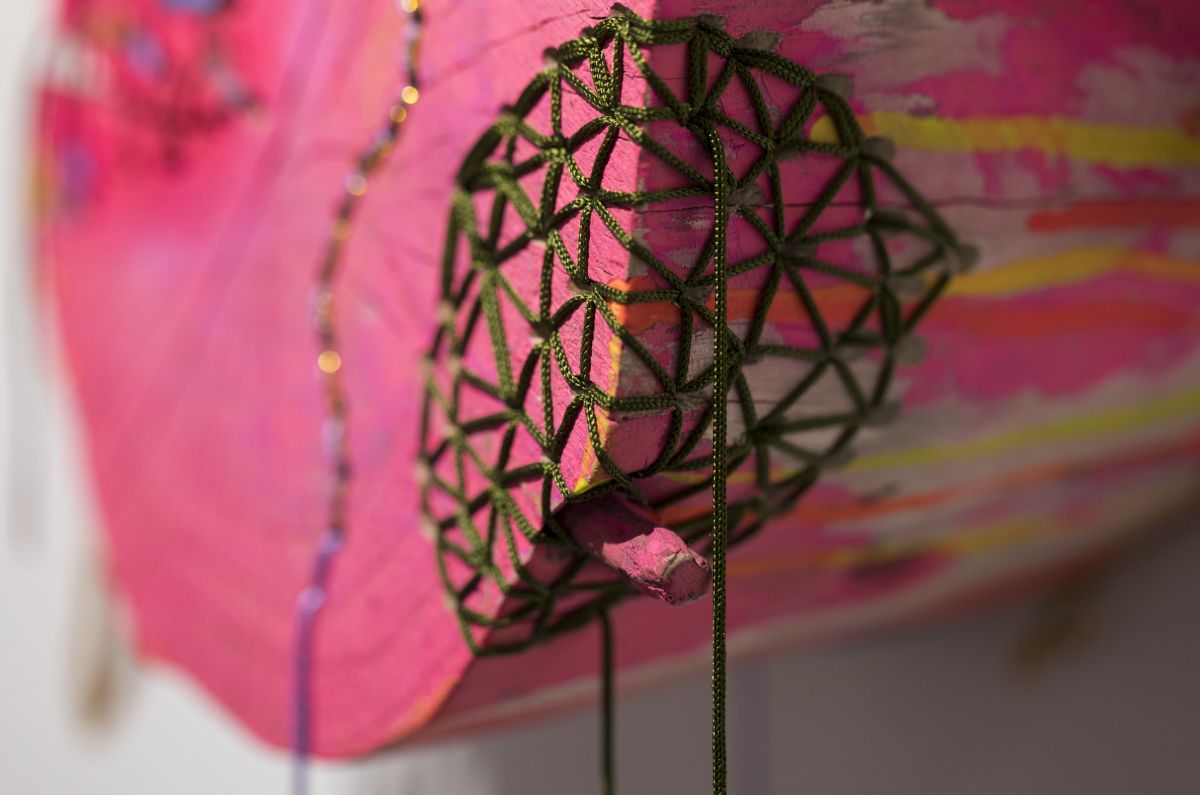

ステレー / Stellar
木、紐、着彩 Wood, string, coloring
20(75)×23×16cm *( ) 紐を含む / Size including string
2020
20(75)×23×16cm *( ) 紐を含む / Size including string
2020
Au fil du temps(オ・フィル・ドゥ・タン)/ ときを縫う
「時のつながりや時代を越えて受け継がれること」を木と紐を使って表現している。
Au fil du tempsはフランス語で時の流れ、時の重なり、時を越えるという意味の熟語である。Filは縫糸、縫う、Tempsは時間という単語が含まれている。
「時を超える」は、「時を縫う」なのだろうか?
木という素材は、時を経て成長した年輪がある。時の重なりと蓄積が見える。そこに穴を開ける。その穴は、一気に時代をワープして、時を越えていく。
木を縫う。開けた穴に紐を縫っていく。その越えていった時をもう一度思い起こす。
時をワープした幾つもの穴を、下から上へと縫っていく紐は、過去、現在を何度も行き来している。それは、私たちが、後悔して悲しんだり、想い出に浸ったり、過去に思いを馳せたりする日常に似ている。
刃物で穴を切っていく行為は男性的な面を持ち、針で縫う事は女性的である。その両面を持ち合わせ、できていく作品に人と人の関係性から生命が繋がっていく事をも感じる。
Au fil du tempsはフランス語で時の流れ、時の重なり、時を越えるという意味の熟語である。Filは縫糸、縫う、Tempsは時間という単語が含まれている。
「時を超える」は、「時を縫う」なのだろうか?
木という素材は、時を経て成長した年輪がある。時の重なりと蓄積が見える。そこに穴を開ける。その穴は、一気に時代をワープして、時を越えていく。
木を縫う。開けた穴に紐を縫っていく。その越えていった時をもう一度思い起こす。
時をワープした幾つもの穴を、下から上へと縫っていく紐は、過去、現在を何度も行き来している。それは、私たちが、後悔して悲しんだり、想い出に浸ったり、過去に思いを馳せたりする日常に似ている。
刃物で穴を切っていく行為は男性的な面を持ち、針で縫う事は女性的である。その両面を持ち合わせ、できていく作品に人と人の関係性から生命が繋がっていく事をも感じる。
Au fil du temps (Transcend time and space) / Sew time
I express “connections through time and things that are passed down generation by generation” using wood and string.
Au fil du temps is a French phrase that refers to the flow of time, the passage of time, and things that are timeless. It contains fil, which means thread or sow, and temps, which refers to time.
Why is being timelessness expressed as sewing time?
Wood contains growth rings that show its growth over the years. You can see the passage and build up of time. I open holes in them. The holes represent moving through time to warp into past ages.
I sew the wood. I pass thread through the holes, and look back at the time that I have traversed.
The thread binds the holes from the bottom up as they jump through a number of warps, to repeatedly traverse the past, present, and future. It is similar to how we spend our days looking back and regretting the past, or enjoying our memories.
The act of cutting the holes with a blade has a masculine aspect to it, and sewing with a needle has a feminine one. Both of these aspects helps one to feel the connection between lives that arises from the relationships between people.
Au fil du temps is a French phrase that refers to the flow of time, the passage of time, and things that are timeless. It contains fil, which means thread or sow, and temps, which refers to time.
Why is being timelessness expressed as sewing time?
Wood contains growth rings that show its growth over the years. You can see the passage and build up of time. I open holes in them. The holes represent moving through time to warp into past ages.
I sew the wood. I pass thread through the holes, and look back at the time that I have traversed.
The thread binds the holes from the bottom up as they jump through a number of warps, to repeatedly traverse the past, present, and future. It is similar to how we spend our days looking back and regretting the past, or enjoying our memories.
The act of cutting the holes with a blade has a masculine aspect to it, and sewing with a needle has a feminine one. Both of these aspects helps one to feel the connection between lives that arises from the relationships between people.
Coudre le temps au fil du temps
Fils et bois expriment dans cette série d’oeuvres la transition « au fils du temps ».
A travers ses veines le bois nous dévoile son temps.
L'aiguille perce le bois et le fils traverse ce temps d'hivers et de printemps.
Coudre le bois pour lier le passé au présent dans le va et vient de ma mémoire et se souvenir.
D'un geste masculin je tranche bois et d'une autre féminin je le coud afin de tisser dans cette consubstantialité le dessin de mes émotions qui s'entremêlement.
A travers ses veines le bois nous dévoile son temps.
L'aiguille perce le bois et le fils traverse ce temps d'hivers et de printemps.
Coudre le bois pour lier le passé au présent dans le va et vient de ma mémoire et se souvenir.
D'un geste masculin je tranche bois et d'une autre féminin je le coud afin de tisser dans cette consubstantialité le dessin de mes émotions qui s'entremêlement.
< close >

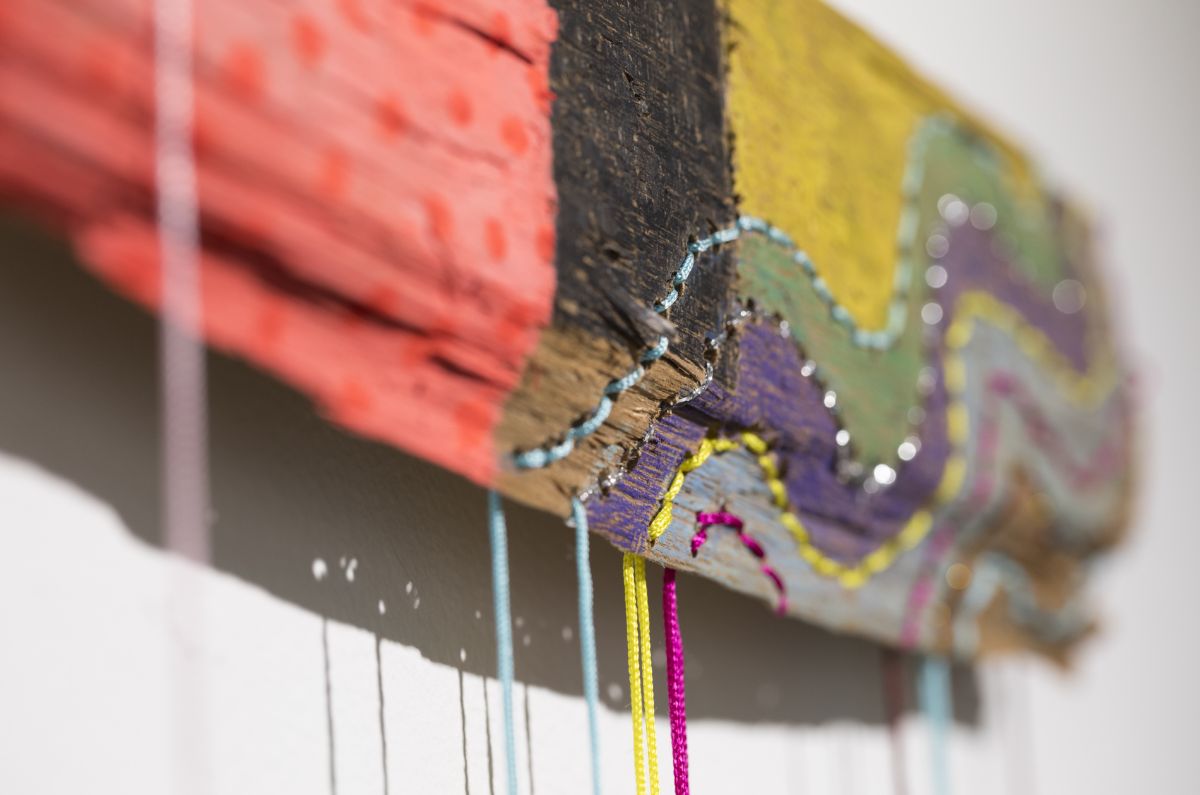
クロワッサン / Crescent
木、紐、着彩 Wood, string, coloring
10×32×3cm
2020
10×32×3cm
2020
Au fil du temps(オ・フィル・ドゥ・タン)/ ときを縫う
「時のつながりや時代を越えて受け継がれること」を木と紐を使って表現している。
Au fil du tempsはフランス語で時の流れ、時の重なり、時を越えるという意味の熟語である。Filは縫糸、縫う、Tempsは時間という単語が含まれている。
「時を超える」は、「時を縫う」なのだろうか?
木という素材は、時を経て成長した年輪がある。時の重なりと蓄積が見える。そこに穴を開ける。その穴は、一気に時代をワープして、時を越えていく。
木を縫う。開けた穴に紐を縫っていく。その越えていった時をもう一度思い起こす。
時をワープした幾つもの穴を、下から上へと縫っていく紐は、過去、現在を何度も行き来している。それは、私たちが、後悔して悲しんだり、想い出に浸ったり、過去に思いを馳せたりする日常に似ている。
刃物で穴を切っていく行為は男性的な面を持ち、針で縫う事は女性的である。その両面を持ち合わせ、できていく作品に人と人の関係性から生命が繋がっていく事をも感じる。
Au fil du tempsはフランス語で時の流れ、時の重なり、時を越えるという意味の熟語である。Filは縫糸、縫う、Tempsは時間という単語が含まれている。
「時を超える」は、「時を縫う」なのだろうか?
木という素材は、時を経て成長した年輪がある。時の重なりと蓄積が見える。そこに穴を開ける。その穴は、一気に時代をワープして、時を越えていく。
木を縫う。開けた穴に紐を縫っていく。その越えていった時をもう一度思い起こす。
時をワープした幾つもの穴を、下から上へと縫っていく紐は、過去、現在を何度も行き来している。それは、私たちが、後悔して悲しんだり、想い出に浸ったり、過去に思いを馳せたりする日常に似ている。
刃物で穴を切っていく行為は男性的な面を持ち、針で縫う事は女性的である。その両面を持ち合わせ、できていく作品に人と人の関係性から生命が繋がっていく事をも感じる。
Au fil du temps (Transcend time and space) / Sew time
I express “connections through time and things that are passed down generation by generation” using wood and string.
Au fil du temps is a French phrase that refers to the flow of time, the passage of time, and things that are timeless. It contains fil, which means thread or sow, and temps, which refers to time.
Why is being timelessness expressed as sewing time?
Wood contains growth rings that show its growth over the years. You can see the passage and build up of time. I open holes in them. The holes represent moving through time to warp into past ages.
I sew the wood. I pass thread through the holes, and look back at the time that I have traversed.
The thread binds the holes from the bottom up as they jump through a number of warps, to repeatedly traverse the past, present, and future. It is similar to how we spend our days looking back and regretting the past, or enjoying our memories.
The act of cutting the holes with a blade has a masculine aspect to it, and sewing with a needle has a feminine one. Both of these aspects helps one to feel the connection between lives that arises from the relationships between people.
Au fil du temps is a French phrase that refers to the flow of time, the passage of time, and things that are timeless. It contains fil, which means thread or sow, and temps, which refers to time.
Why is being timelessness expressed as sewing time?
Wood contains growth rings that show its growth over the years. You can see the passage and build up of time. I open holes in them. The holes represent moving through time to warp into past ages.
I sew the wood. I pass thread through the holes, and look back at the time that I have traversed.
The thread binds the holes from the bottom up as they jump through a number of warps, to repeatedly traverse the past, present, and future. It is similar to how we spend our days looking back and regretting the past, or enjoying our memories.
The act of cutting the holes with a blade has a masculine aspect to it, and sewing with a needle has a feminine one. Both of these aspects helps one to feel the connection between lives that arises from the relationships between people.
Coudre le temps au fil du temps
Fils et bois expriment dans cette série d’oeuvres la transition « au fils du temps ».
A travers ses veines le bois nous dévoile son temps.
L'aiguille perce le bois et le fils traverse ce temps d'hivers et de printemps.
Coudre le bois pour lier le passé au présent dans le va et vient de ma mémoire et se souvenir.
D'un geste masculin je tranche bois et d'une autre féminin je le coud afin de tisser dans cette consubstantialité le dessin de mes émotions qui s'entremêlement.
A travers ses veines le bois nous dévoile son temps.
L'aiguille perce le bois et le fils traverse ce temps d'hivers et de printemps.
Coudre le bois pour lier le passé au présent dans le va et vient de ma mémoire et se souvenir.
D'un geste masculin je tranche bois et d'une autre féminin je le coud afin de tisser dans cette consubstantialité le dessin de mes émotions qui s'entremêlement.
< close >


ヴワラクテ / Milky way
木、紐 Wood, string
27×7.5×48cm
2020
27×7.5×48cm
2020
Au fil du temps(オ・フィル・ドゥ・タン)/ ときを縫う
「時のつながりや時代を越えて受け継がれること」を木と紐を使って表現している。
Au fil du tempsはフランス語で時の流れ、時の重なり、時を越えるという意味の熟語である。Filは縫糸、縫う、Tempsは時間という単語が含まれている。
「時を超える」は、「時を縫う」なのだろうか?
木という素材は、時を経て成長した年輪がある。時の重なりと蓄積が見える。そこに穴を開ける。その穴は、一気に時代をワープして、時を越えていく。
木を縫う。開けた穴に紐を縫っていく。その越えていった時をもう一度思い起こす。
時をワープした幾つもの穴を、下から上へと縫っていく紐は、過去、現在を何度も行き来している。それは、私たちが、後悔して悲しんだり、想い出に浸ったり、過去に思いを馳せたりする日常に似ている。
刃物で穴を切っていく行為は男性的な面を持ち、針で縫う事は女性的である。その両面を持ち合わせ、できていく作品に人と人の関係性から生命が繋がっていく事をも感じる。
Au fil du tempsはフランス語で時の流れ、時の重なり、時を越えるという意味の熟語である。Filは縫糸、縫う、Tempsは時間という単語が含まれている。
「時を超える」は、「時を縫う」なのだろうか?
木という素材は、時を経て成長した年輪がある。時の重なりと蓄積が見える。そこに穴を開ける。その穴は、一気に時代をワープして、時を越えていく。
木を縫う。開けた穴に紐を縫っていく。その越えていった時をもう一度思い起こす。
時をワープした幾つもの穴を、下から上へと縫っていく紐は、過去、現在を何度も行き来している。それは、私たちが、後悔して悲しんだり、想い出に浸ったり、過去に思いを馳せたりする日常に似ている。
刃物で穴を切っていく行為は男性的な面を持ち、針で縫う事は女性的である。その両面を持ち合わせ、できていく作品に人と人の関係性から生命が繋がっていく事をも感じる。
Au fil du temps (Transcend time and space) / Sew time
I express “connections through time and things that are passed down generation by generation” using wood and string.
Au fil du temps is a French phrase that refers to the flow of time, the passage of time, and things that are timeless. It contains fil, which means thread or sow, and temps, which refers to time.
Why is being timelessness expressed as sewing time?
Wood contains growth rings that show its growth over the years. You can see the passage and build up of time. I open holes in them. The holes represent moving through time to warp into past ages.
I sew the wood. I pass thread through the holes, and look back at the time that I have traversed.
The thread binds the holes from the bottom up as they jump through a number of warps, to repeatedly traverse the past, present, and future. It is similar to how we spend our days looking back and regretting the past, or enjoying our memories.
The act of cutting the holes with a blade has a masculine aspect to it, and sewing with a needle has a feminine one. Both of these aspects helps one to feel the connection between lives that arises from the relationships between people.
Au fil du temps is a French phrase that refers to the flow of time, the passage of time, and things that are timeless. It contains fil, which means thread or sow, and temps, which refers to time.
Why is being timelessness expressed as sewing time?
Wood contains growth rings that show its growth over the years. You can see the passage and build up of time. I open holes in them. The holes represent moving through time to warp into past ages.
I sew the wood. I pass thread through the holes, and look back at the time that I have traversed.
The thread binds the holes from the bottom up as they jump through a number of warps, to repeatedly traverse the past, present, and future. It is similar to how we spend our days looking back and regretting the past, or enjoying our memories.
The act of cutting the holes with a blade has a masculine aspect to it, and sewing with a needle has a feminine one. Both of these aspects helps one to feel the connection between lives that arises from the relationships between people.
Coudre le temps au fil du temps
Fils et bois expriment dans cette série d’oeuvres la transition « au fils du temps ».
A travers ses veines le bois nous dévoile son temps.
L'aiguille perce le bois et le fils traverse ce temps d'hivers et de printemps.
Coudre le bois pour lier le passé au présent dans le va et vient de ma mémoire et se souvenir.
D'un geste masculin je tranche bois et d'une autre féminin je le coud afin de tisser dans cette consubstantialité le dessin de mes émotions qui s'entremêlement.
A travers ses veines le bois nous dévoile son temps.
L'aiguille perce le bois et le fils traverse ce temps d'hivers et de printemps.
Coudre le bois pour lier le passé au présent dans le va et vient de ma mémoire et se souvenir.
D'un geste masculin je tranche bois et d'une autre féminin je le coud afin de tisser dans cette consubstantialité le dessin de mes émotions qui s'entremêlement.
< close >


コメット / Comet
木、紐、着彩 Wood, string, coloring
90×7×12cm
2020
90×7×12cm
2020
Au fil du temps(オ・フィル・ドゥ・タン)/ ときを縫う
「時のつながりや時代を越えて受け継がれること」を木と紐を使って表現している。
Au fil du tempsはフランス語で時の流れ、時の重なり、時を越えるという意味の熟語である。Filは縫糸、縫う、Tempsは時間という単語が含まれている。
「時を超える」は、「時を縫う」なのだろうか?
木という素材は、時を経て成長した年輪がある。時の重なりと蓄積が見える。そこに穴を開ける。その穴は、一気に時代をワープして、時を越えていく。
木を縫う。開けた穴に紐を縫っていく。その越えていった時をもう一度思い起こす。
時をワープした幾つもの穴を、下から上へと縫っていく紐は、過去、現在を何度も行き来している。それは、私たちが、後悔して悲しんだり、想い出に浸ったり、過去に思いを馳せたりする日常に似ている。
刃物で穴を切っていく行為は男性的な面を持ち、針で縫う事は女性的である。その両面を持ち合わせ、できていく作品に人と人の関係性から生命が繋がっていく事をも感じる。
Au fil du tempsはフランス語で時の流れ、時の重なり、時を越えるという意味の熟語である。Filは縫糸、縫う、Tempsは時間という単語が含まれている。
「時を超える」は、「時を縫う」なのだろうか?
木という素材は、時を経て成長した年輪がある。時の重なりと蓄積が見える。そこに穴を開ける。その穴は、一気に時代をワープして、時を越えていく。
木を縫う。開けた穴に紐を縫っていく。その越えていった時をもう一度思い起こす。
時をワープした幾つもの穴を、下から上へと縫っていく紐は、過去、現在を何度も行き来している。それは、私たちが、後悔して悲しんだり、想い出に浸ったり、過去に思いを馳せたりする日常に似ている。
刃物で穴を切っていく行為は男性的な面を持ち、針で縫う事は女性的である。その両面を持ち合わせ、できていく作品に人と人の関係性から生命が繋がっていく事をも感じる。
Au fil du temps (Transcend time and space) / Sew time
I express “connections through time and things that are passed down generation by generation” using wood and string.
Au fil du temps is a French phrase that refers to the flow of time, the passage of time, and things that are timeless. It contains fil, which means thread or sow, and temps, which refers to time.
Why is being timelessness expressed as sewing time?
Wood contains growth rings that show its growth over the years. You can see the passage and build up of time. I open holes in them. The holes represent moving through time to warp into past ages.
I sew the wood. I pass thread through the holes, and look back at the time that I have traversed.
The thread binds the holes from the bottom up as they jump through a number of warps, to repeatedly traverse the past, present, and future. It is similar to how we spend our days looking back and regretting the past, or enjoying our memories.
The act of cutting the holes with a blade has a masculine aspect to it, and sewing with a needle has a feminine one. Both of these aspects helps one to feel the connection between lives that arises from the relationships between people.
Au fil du temps is a French phrase that refers to the flow of time, the passage of time, and things that are timeless. It contains fil, which means thread or sow, and temps, which refers to time.
Why is being timelessness expressed as sewing time?
Wood contains growth rings that show its growth over the years. You can see the passage and build up of time. I open holes in them. The holes represent moving through time to warp into past ages.
I sew the wood. I pass thread through the holes, and look back at the time that I have traversed.
The thread binds the holes from the bottom up as they jump through a number of warps, to repeatedly traverse the past, present, and future. It is similar to how we spend our days looking back and regretting the past, or enjoying our memories.
The act of cutting the holes with a blade has a masculine aspect to it, and sewing with a needle has a feminine one. Both of these aspects helps one to feel the connection between lives that arises from the relationships between people.
Coudre le temps au fil du temps
Fils et bois expriment dans cette série d’oeuvres la transition « au fils du temps ».
A travers ses veines le bois nous dévoile son temps.
L'aiguille perce le bois et le fils traverse ce temps d'hivers et de printemps.
Coudre le bois pour lier le passé au présent dans le va et vient de ma mémoire et se souvenir.
D'un geste masculin je tranche bois et d'une autre féminin je le coud afin de tisser dans cette consubstantialité le dessin de mes émotions qui s'entremêlement.
A travers ses veines le bois nous dévoile son temps.
L'aiguille perce le bois et le fils traverse ce temps d'hivers et de printemps.
Coudre le bois pour lier le passé au présent dans le va et vient de ma mémoire et se souvenir.
D'un geste masculin je tranche bois et d'une autre féminin je le coud afin de tisser dans cette consubstantialité le dessin de mes émotions qui s'entremêlement.
< close >

ポレール / Polaris
木、紐 Wood, string
38×40×7cm
2020
38×40×7cm
2020
Au fil du temps(オ・フィル・ドゥ・タン)/ ときを縫う
「時のつながりや時代を越えて受け継がれること」を木と紐を使って表現している。
Au fil du tempsはフランス語で時の流れ、時の重なり、時を越えるという意味の熟語である。Filは縫糸、縫う、Tempsは時間という単語が含まれている。
「時を超える」は、「時を縫う」なのだろうか?
木という素材は、時を経て成長した年輪がある。時の重なりと蓄積が見える。そこに穴を開ける。その穴は、一気に時代をワープして、時を越えていく。
木を縫う。開けた穴に紐を縫っていく。その越えていった時をもう一度思い起こす。
時をワープした幾つもの穴を、下から上へと縫っていく紐は、過去、現在を何度も行き来している。それは、私たちが、後悔して悲しんだり、想い出に浸ったり、過去に思いを馳せたりする日常に似ている。
刃物で穴を切っていく行為は男性的な面を持ち、針で縫う事は女性的である。その両面を持ち合わせ、できていく作品に人と人の関係性から生命が繋がっていく事をも感じる。
Au fil du tempsはフランス語で時の流れ、時の重なり、時を越えるという意味の熟語である。Filは縫糸、縫う、Tempsは時間という単語が含まれている。
「時を超える」は、「時を縫う」なのだろうか?
木という素材は、時を経て成長した年輪がある。時の重なりと蓄積が見える。そこに穴を開ける。その穴は、一気に時代をワープして、時を越えていく。
木を縫う。開けた穴に紐を縫っていく。その越えていった時をもう一度思い起こす。
時をワープした幾つもの穴を、下から上へと縫っていく紐は、過去、現在を何度も行き来している。それは、私たちが、後悔して悲しんだり、想い出に浸ったり、過去に思いを馳せたりする日常に似ている。
刃物で穴を切っていく行為は男性的な面を持ち、針で縫う事は女性的である。その両面を持ち合わせ、できていく作品に人と人の関係性から生命が繋がっていく事をも感じる。
Au fil du temps (Transcend time and space) / Sew time
I express “connections through time and things that are passed down generation by generation” using wood and string.
Au fil du temps is a French phrase that refers to the flow of time, the passage of time, and things that are timeless. It contains fil, which means thread or sow, and temps, which refers to time.
Why is being timelessness expressed as sewing time?
Wood contains growth rings that show its growth over the years. You can see the passage and build up of time. I open holes in them. The holes represent moving through time to warp into past ages.
I sew the wood. I pass thread through the holes, and look back at the time that I have traversed.
The thread binds the holes from the bottom up as they jump through a number of warps, to repeatedly traverse the past, present, and future. It is similar to how we spend our days looking back and regretting the past, or enjoying our memories.
The act of cutting the holes with a blade has a masculine aspect to it, and sewing with a needle has a feminine one. Both of these aspects helps one to feel the connection between lives that arises from the relationships between people.
Au fil du temps is a French phrase that refers to the flow of time, the passage of time, and things that are timeless. It contains fil, which means thread or sow, and temps, which refers to time.
Why is being timelessness expressed as sewing time?
Wood contains growth rings that show its growth over the years. You can see the passage and build up of time. I open holes in them. The holes represent moving through time to warp into past ages.
I sew the wood. I pass thread through the holes, and look back at the time that I have traversed.
The thread binds the holes from the bottom up as they jump through a number of warps, to repeatedly traverse the past, present, and future. It is similar to how we spend our days looking back and regretting the past, or enjoying our memories.
The act of cutting the holes with a blade has a masculine aspect to it, and sewing with a needle has a feminine one. Both of these aspects helps one to feel the connection between lives that arises from the relationships between people.
Coudre le temps au fil du temps
Fils et bois expriment dans cette série d’oeuvres la transition « au fils du temps ».
A travers ses veines le bois nous dévoile son temps.
L'aiguille perce le bois et le fils traverse ce temps d'hivers et de printemps.
Coudre le bois pour lier le passé au présent dans le va et vient de ma mémoire et se souvenir.
D'un geste masculin je tranche bois et d'une autre féminin je le coud afin de tisser dans cette consubstantialité le dessin de mes émotions qui s'entremêlement.
A travers ses veines le bois nous dévoile son temps.
L'aiguille perce le bois et le fils traverse ce temps d'hivers et de printemps.
Coudre le bois pour lier le passé au présent dans le va et vient de ma mémoire et se souvenir.
D'un geste masculin je tranche bois et d'une autre féminin je le coud afin de tisser dans cette consubstantialité le dessin de mes émotions qui s'entremêlement.
< close >


シュペルノヴァ / Supernova
木、紐、着彩 Wood, string, coloring
16(28)×14×1cm *( ) 紐を含む / Size including string
2020
16(28)×14×1cm *( ) 紐を含む / Size including string
2020
Au fil du temps(オ・フィル・ドゥ・タン)/ ときを縫う
「時のつながりや時代を越えて受け継がれること」を木と紐を使って表現している。
Au fil du tempsはフランス語で時の流れ、時の重なり、時を越えるという意味の熟語である。Filは縫糸、縫う、Tempsは時間という単語が含まれている。
「時を超える」は、「時を縫う」なのだろうか?
木という素材は、時を経て成長した年輪がある。時の重なりと蓄積が見える。そこに穴を開ける。その穴は、一気に時代をワープして、時を越えていく。
木を縫う。開けた穴に紐を縫っていく。その越えていった時をもう一度思い起こす。
時をワープした幾つもの穴を、下から上へと縫っていく紐は、過去、現在を何度も行き来している。それは、私たちが、後悔して悲しんだり、想い出に浸ったり、過去に思いを馳せたりする日常に似ている。
刃物で穴を切っていく行為は男性的な面を持ち、針で縫う事は女性的である。その両面を持ち合わせ、できていく作品に人と人の関係性から生命が繋がっていく事をも感じる。
Au fil du tempsはフランス語で時の流れ、時の重なり、時を越えるという意味の熟語である。Filは縫糸、縫う、Tempsは時間という単語が含まれている。
「時を超える」は、「時を縫う」なのだろうか?
木という素材は、時を経て成長した年輪がある。時の重なりと蓄積が見える。そこに穴を開ける。その穴は、一気に時代をワープして、時を越えていく。
木を縫う。開けた穴に紐を縫っていく。その越えていった時をもう一度思い起こす。
時をワープした幾つもの穴を、下から上へと縫っていく紐は、過去、現在を何度も行き来している。それは、私たちが、後悔して悲しんだり、想い出に浸ったり、過去に思いを馳せたりする日常に似ている。
刃物で穴を切っていく行為は男性的な面を持ち、針で縫う事は女性的である。その両面を持ち合わせ、できていく作品に人と人の関係性から生命が繋がっていく事をも感じる。
Au fil du temps (Transcend time and space) / Sew time
I express “connections through time and things that are passed down generation by generation” using wood and string.
Au fil du temps is a French phrase that refers to the flow of time, the passage of time, and things that are timeless. It contains fil, which means thread or sow, and temps, which refers to time.
Why is being timelessness expressed as sewing time?
Wood contains growth rings that show its growth over the years. You can see the passage and build up of time. I open holes in them. The holes represent moving through time to warp into past ages.
I sew the wood. I pass thread through the holes, and look back at the time that I have traversed.
The thread binds the holes from the bottom up as they jump through a number of warps, to repeatedly traverse the past, present, and future. It is similar to how we spend our days looking back and regretting the past, or enjoying our memories.
The act of cutting the holes with a blade has a masculine aspect to it, and sewing with a needle has a feminine one. Both of these aspects helps one to feel the connection between lives that arises from the relationships between people.
Au fil du temps is a French phrase that refers to the flow of time, the passage of time, and things that are timeless. It contains fil, which means thread or sow, and temps, which refers to time.
Why is being timelessness expressed as sewing time?
Wood contains growth rings that show its growth over the years. You can see the passage and build up of time. I open holes in them. The holes represent moving through time to warp into past ages.
I sew the wood. I pass thread through the holes, and look back at the time that I have traversed.
The thread binds the holes from the bottom up as they jump through a number of warps, to repeatedly traverse the past, present, and future. It is similar to how we spend our days looking back and regretting the past, or enjoying our memories.
The act of cutting the holes with a blade has a masculine aspect to it, and sewing with a needle has a feminine one. Both of these aspects helps one to feel the connection between lives that arises from the relationships between people.
Coudre le temps au fil du temps
Fils et bois expriment dans cette série d’oeuvres la transition « au fils du temps ».
A travers ses veines le bois nous dévoile son temps.
L'aiguille perce le bois et le fils traverse ce temps d'hivers et de printemps.
Coudre le bois pour lier le passé au présent dans le va et vient de ma mémoire et se souvenir.
D'un geste masculin je tranche bois et d'une autre féminin je le coud afin de tisser dans cette consubstantialité le dessin de mes émotions qui s'entremêlement.
A travers ses veines le bois nous dévoile son temps.
L'aiguille perce le bois et le fils traverse ce temps d'hivers et de printemps.
Coudre le bois pour lier le passé au présent dans le va et vient de ma mémoire et se souvenir.
D'un geste masculin je tranche bois et d'une autre féminin je le coud afin de tisser dans cette consubstantialité le dessin de mes émotions qui s'entremêlement.
< close >

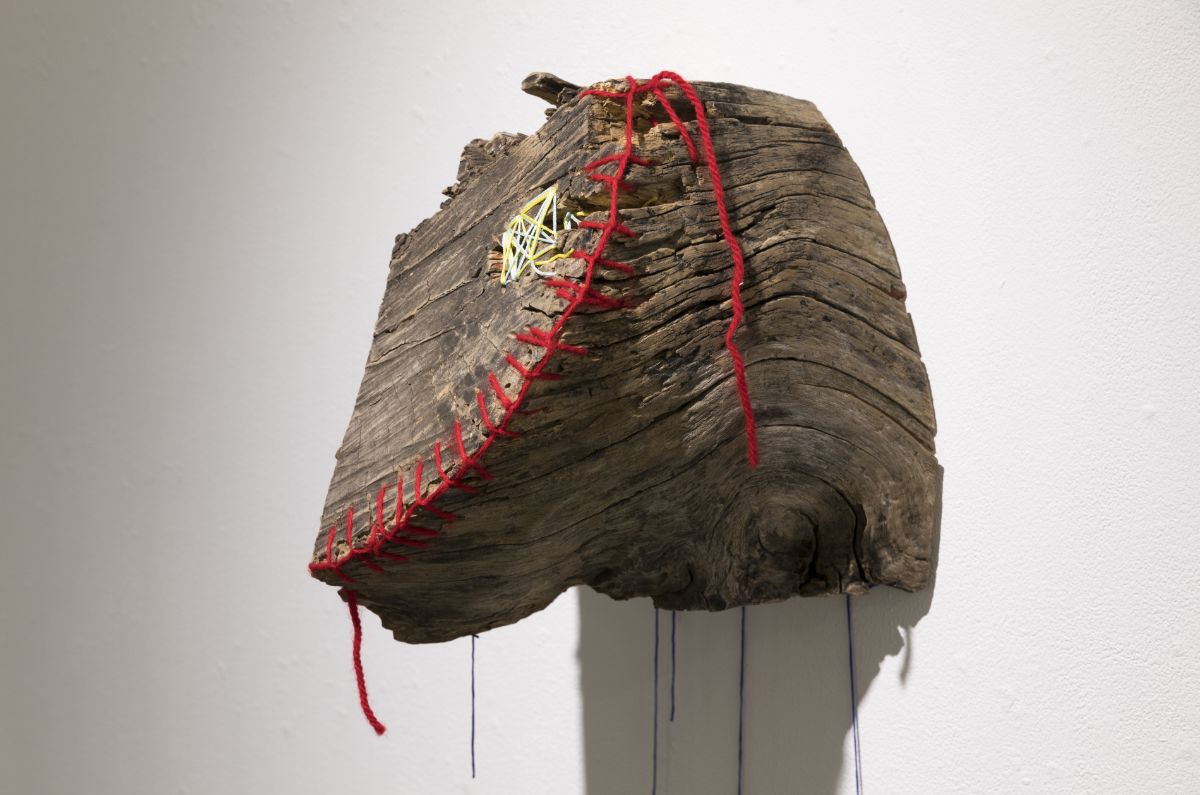
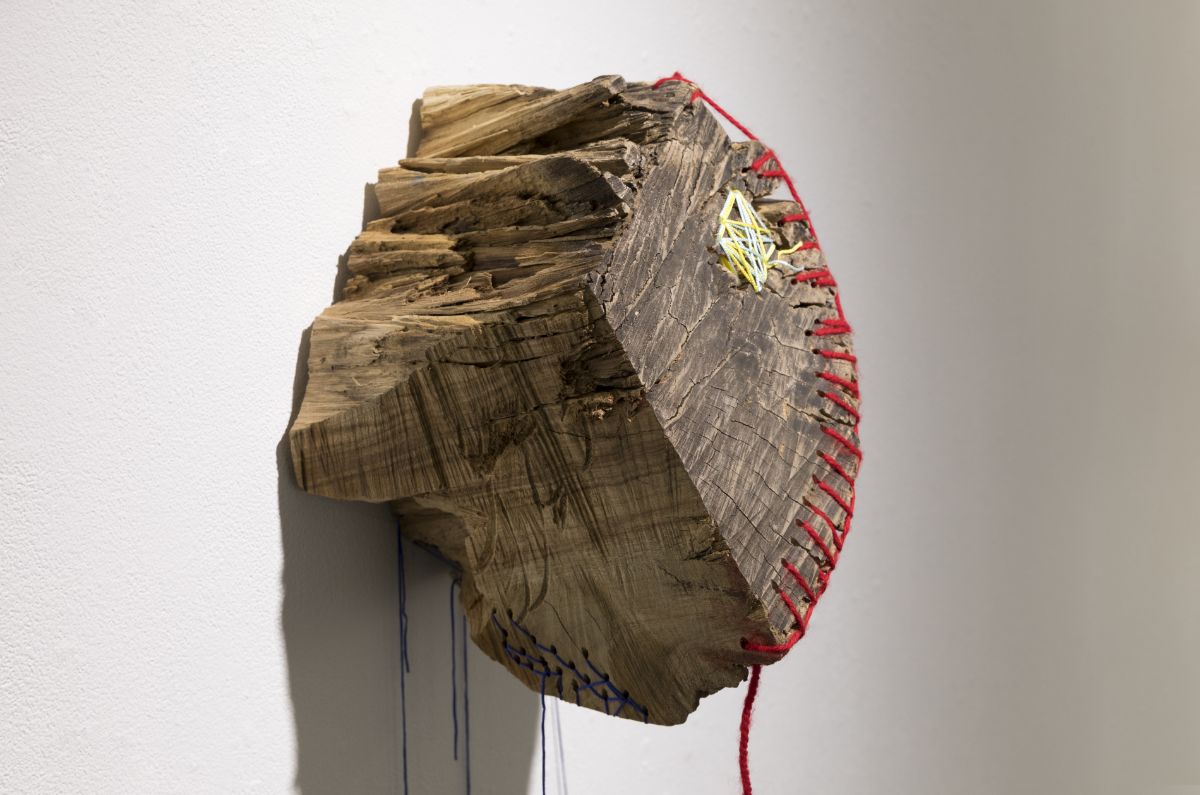
ネビュルーズ / Nebula
楠、紐 Camphor tree, string
30(180)x28x26cm *( ) 紐を含む / Size including string
2020
30(180)x28x26cm *( ) 紐を含む / Size including string
2020
Au fil du temps(オ・フィル・ドゥ・タン)/ ときを縫う
「時のつながりや時代を越えて受け継がれること」を木と紐を使って表現している。
Au fil du tempsはフランス語で時の流れ、時の重なり、時を越えるという意味の熟語である。Filは縫糸、縫う、Tempsは時間という単語が含まれている。
「時を超える」は、「時を縫う」なのだろうか?
木という素材は、時を経て成長した年輪がある。時の重なりと蓄積が見える。そこに穴を開ける。その穴は、一気に時代をワープして、時を越えていく。
木を縫う。開けた穴に紐を縫っていく。その越えていった時をもう一度思い起こす。
時をワープした幾つもの穴を、下から上へと縫っていく紐は、過去、現在を何度も行き来している。それは、私たちが、後悔して悲しんだり、想い出に浸ったり、過去に思いを馳せたりする日常に似ている。
刃物で穴を切っていく行為は男性的な面を持ち、針で縫う事は女性的である。その両面を持ち合わせ、できていく作品に人と人の関係性から生命が繋がっていく事をも感じる。
Au fil du tempsはフランス語で時の流れ、時の重なり、時を越えるという意味の熟語である。Filは縫糸、縫う、Tempsは時間という単語が含まれている。
「時を超える」は、「時を縫う」なのだろうか?
木という素材は、時を経て成長した年輪がある。時の重なりと蓄積が見える。そこに穴を開ける。その穴は、一気に時代をワープして、時を越えていく。
木を縫う。開けた穴に紐を縫っていく。その越えていった時をもう一度思い起こす。
時をワープした幾つもの穴を、下から上へと縫っていく紐は、過去、現在を何度も行き来している。それは、私たちが、後悔して悲しんだり、想い出に浸ったり、過去に思いを馳せたりする日常に似ている。
刃物で穴を切っていく行為は男性的な面を持ち、針で縫う事は女性的である。その両面を持ち合わせ、できていく作品に人と人の関係性から生命が繋がっていく事をも感じる。
Au fil du temps (Transcend time and space) / Sew time
I express “connections through time and things that are passed down generation by generation” using wood and string.
Au fil du temps is a French phrase that refers to the flow of time, the passage of time, and things that are timeless. It contains fil, which means thread or sow, and temps, which refers to time.
Why is being timelessness expressed as sewing time?
Wood contains growth rings that show its growth over the years. You can see the passage and build up of time. I open holes in them. The holes represent moving through time to warp into past ages.
I sew the wood. I pass thread through the holes, and look back at the time that I have traversed.
The thread binds the holes from the bottom up as they jump through a number of warps, to repeatedly traverse the past, present, and future. It is similar to how we spend our days looking back and regretting the past, or enjoying our memories.
The act of cutting the holes with a blade has a masculine aspect to it, and sewing with a needle has a feminine one. Both of these aspects helps one to feel the connection between lives that arises from the relationships between people.
Au fil du temps is a French phrase that refers to the flow of time, the passage of time, and things that are timeless. It contains fil, which means thread or sow, and temps, which refers to time.
Why is being timelessness expressed as sewing time?
Wood contains growth rings that show its growth over the years. You can see the passage and build up of time. I open holes in them. The holes represent moving through time to warp into past ages.
I sew the wood. I pass thread through the holes, and look back at the time that I have traversed.
The thread binds the holes from the bottom up as they jump through a number of warps, to repeatedly traverse the past, present, and future. It is similar to how we spend our days looking back and regretting the past, or enjoying our memories.
The act of cutting the holes with a blade has a masculine aspect to it, and sewing with a needle has a feminine one. Both of these aspects helps one to feel the connection between lives that arises from the relationships between people.
Coudre le temps au fil du temps
Fils et bois expriment dans cette série d’oeuvres la transition « au fils du temps ».
A travers ses veines le bois nous dévoile son temps.
L'aiguille perce le bois et le fils traverse ce temps d'hivers et de printemps.
Coudre le bois pour lier le passé au présent dans le va et vient de ma mémoire et se souvenir.
D'un geste masculin je tranche bois et d'une autre féminin je le coud afin de tisser dans cette consubstantialité le dessin de mes émotions qui s'entremêlement.
A travers ses veines le bois nous dévoile son temps.
L'aiguille perce le bois et le fils traverse ce temps d'hivers et de printemps.
Coudre le bois pour lier le passé au présent dans le va et vient de ma mémoire et se souvenir.
D'un geste masculin je tranche bois et d'une autre féminin je le coud afin de tisser dans cette consubstantialité le dessin de mes émotions qui s'entremêlement.
< close >


ドゥミリューヌ / Demi-lune
木、紐 Wood, strings
26(140)x13x19cm *( ) 紐を含む / Size including string
2020
26(140)x13x19cm *( ) 紐を含む / Size including string
2020
Au fil du temps(オ・フィル・ドゥ・タン)/ ときを縫う
「時のつながりや時代を越えて受け継がれること」を木と紐を使って表現している。
Au fil du tempsはフランス語で時の流れ、時の重なり、時を越えるという意味の熟語である。Filは縫糸、縫う、Tempsは時間という単語が含まれている。
「時を超える」は、「時を縫う」なのだろうか?
木という素材は、時を経て成長した年輪がある。時の重なりと蓄積が見える。そこに穴を開ける。その穴は、一気に時代をワープして、時を越えていく。
木を縫う。開けた穴に紐を縫っていく。その越えていった時をもう一度思い起こす。
時をワープした幾つもの穴を、下から上へと縫っていく紐は、過去、現在を何度も行き来している。それは、私たちが、後悔して悲しんだり、想い出に浸ったり、過去に思いを馳せたりする日常に似ている。
刃物で穴を切っていく行為は男性的な面を持ち、針で縫う事は女性的である。その両面を持ち合わせ、できていく作品に人と人の関係性から生命が繋がっていく事をも感じる。
Au fil du tempsはフランス語で時の流れ、時の重なり、時を越えるという意味の熟語である。Filは縫糸、縫う、Tempsは時間という単語が含まれている。
「時を超える」は、「時を縫う」なのだろうか?
木という素材は、時を経て成長した年輪がある。時の重なりと蓄積が見える。そこに穴を開ける。その穴は、一気に時代をワープして、時を越えていく。
木を縫う。開けた穴に紐を縫っていく。その越えていった時をもう一度思い起こす。
時をワープした幾つもの穴を、下から上へと縫っていく紐は、過去、現在を何度も行き来している。それは、私たちが、後悔して悲しんだり、想い出に浸ったり、過去に思いを馳せたりする日常に似ている。
刃物で穴を切っていく行為は男性的な面を持ち、針で縫う事は女性的である。その両面を持ち合わせ、できていく作品に人と人の関係性から生命が繋がっていく事をも感じる。
Au fil du temps (Transcend time and space) / Sew time
I express “connections through time and things that are passed down generation by generation” using wood and string.
Au fil du temps is a French phrase that refers to the flow of time, the passage of time, and things that are timeless. It contains fil, which means thread or sow, and temps, which refers to time.
Why is being timelessness expressed as sewing time?
Wood contains growth rings that show its growth over the years. You can see the passage and build up of time. I open holes in them. The holes represent moving through time to warp into past ages.
I sew the wood. I pass thread through the holes, and look back at the time that I have traversed.
The thread binds the holes from the bottom up as they jump through a number of warps, to repeatedly traverse the past, present, and future. It is similar to how we spend our days looking back and regretting the past, or enjoying our memories.
The act of cutting the holes with a blade has a masculine aspect to it, and sewing with a needle has a feminine one. Both of these aspects helps one to feel the connection between lives that arises from the relationships between people.
Au fil du temps is a French phrase that refers to the flow of time, the passage of time, and things that are timeless. It contains fil, which means thread or sow, and temps, which refers to time.
Why is being timelessness expressed as sewing time?
Wood contains growth rings that show its growth over the years. You can see the passage and build up of time. I open holes in them. The holes represent moving through time to warp into past ages.
I sew the wood. I pass thread through the holes, and look back at the time that I have traversed.
The thread binds the holes from the bottom up as they jump through a number of warps, to repeatedly traverse the past, present, and future. It is similar to how we spend our days looking back and regretting the past, or enjoying our memories.
The act of cutting the holes with a blade has a masculine aspect to it, and sewing with a needle has a feminine one. Both of these aspects helps one to feel the connection between lives that arises from the relationships between people.
Coudre le temps au fil du temps
Fils et bois expriment dans cette série d’oeuvres la transition « au fils du temps ».
A travers ses veines le bois nous dévoile son temps.
L'aiguille perce le bois et le fils traverse ce temps d'hivers et de printemps.
Coudre le bois pour lier le passé au présent dans le va et vient de ma mémoire et se souvenir.
D'un geste masculin je tranche bois et d'une autre féminin je le coud afin de tisser dans cette consubstantialité le dessin de mes émotions qui s'entremêlement.
A travers ses veines le bois nous dévoile son temps.
L'aiguille perce le bois et le fils traverse ce temps d'hivers et de printemps.
Coudre le bois pour lier le passé au présent dans le va et vient de ma mémoire et se souvenir.
D'un geste masculin je tranche bois et d'une autre féminin je le coud afin de tisser dans cette consubstantialité le dessin de mes émotions qui s'entremêlement.
< close >

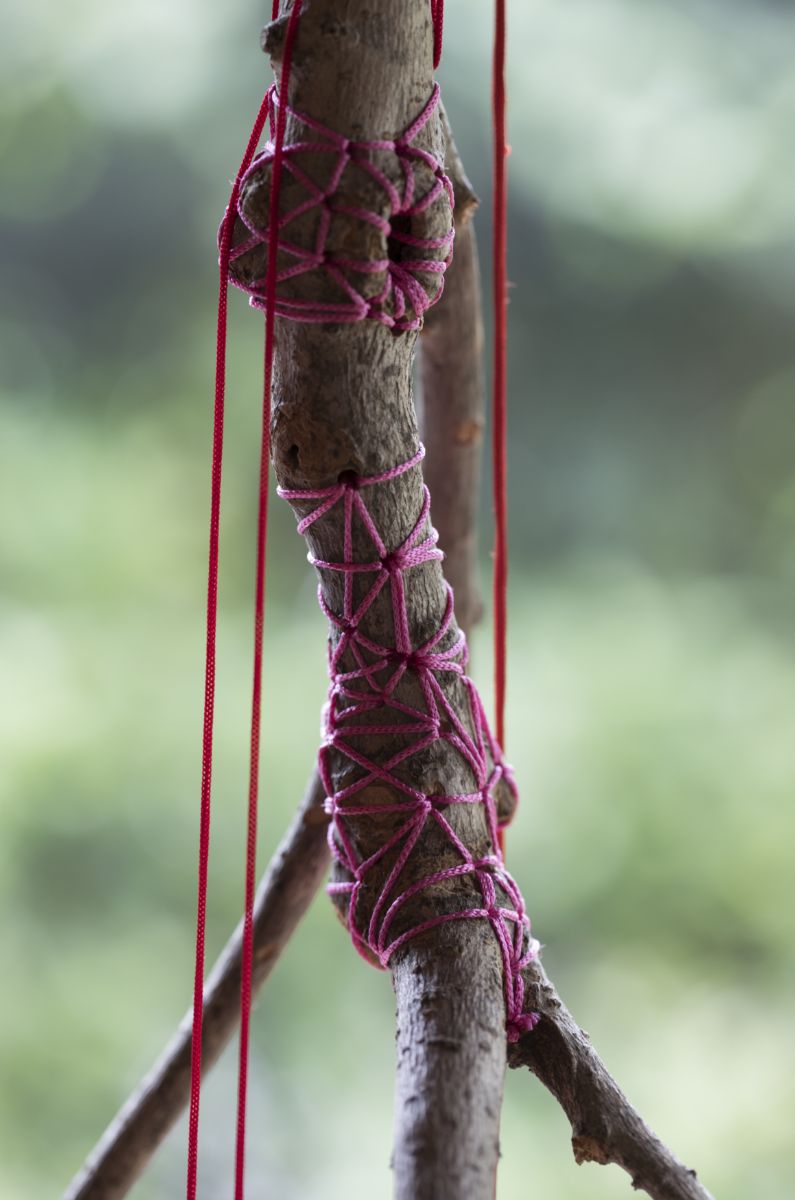
ネビュルーズ / Nebula
ライラック、紐 Lilac, strings
102x29x18cm
2020
IAG AWARDS2020
(株)KONOYO
102x29x18cm
2020
IAG AWARDS2020
(株)KONOYO
Au fil du temps(オ・フィル・ドゥ・タン)/ ときを縫う
「時のつながりや時代を越えて受け継がれること」を木と紐を使って表現している。
Au fil du tempsはフランス語で時の流れ、時の重なり、時を越えるという意味の熟語である。Filは縫糸、縫う、Tempsは時間という単語が含まれている。
「時を超える」は、「時を縫う」なのだろうか?
木という素材は、時を経て成長した年輪がある。時の重なりと蓄積が見える。そこに穴を開ける。その穴は、一気に時代をワープして、時を越えていく。
木を縫う。開けた穴に紐を縫っていく。その越えていった時をもう一度思い起こす。
時をワープした幾つもの穴を、下から上へと縫っていく紐は、過去、現在を何度も行き来している。それは、私たちが、後悔して悲しんだり、想い出に浸ったり、過去に思いを馳せたりする日常に似ている。
刃物で穴を切っていく行為は男性的な面を持ち、針で縫う事は女性的である。その両面を持ち合わせ、できていく作品に人と人の関係性から生命が繋がっていく事をも感じる。
Au fil du tempsはフランス語で時の流れ、時の重なり、時を越えるという意味の熟語である。Filは縫糸、縫う、Tempsは時間という単語が含まれている。
「時を超える」は、「時を縫う」なのだろうか?
木という素材は、時を経て成長した年輪がある。時の重なりと蓄積が見える。そこに穴を開ける。その穴は、一気に時代をワープして、時を越えていく。
木を縫う。開けた穴に紐を縫っていく。その越えていった時をもう一度思い起こす。
時をワープした幾つもの穴を、下から上へと縫っていく紐は、過去、現在を何度も行き来している。それは、私たちが、後悔して悲しんだり、想い出に浸ったり、過去に思いを馳せたりする日常に似ている。
刃物で穴を切っていく行為は男性的な面を持ち、針で縫う事は女性的である。その両面を持ち合わせ、できていく作品に人と人の関係性から生命が繋がっていく事をも感じる。
Au fil du temps (Transcend time and space) / Sew time
I express “connections through time and things that are passed down generation by generation” using wood and string.
Au fil du temps is a French phrase that refers to the flow of time, the passage of time, and things that are timeless. It contains fil, which means thread or sow, and temps, which refers to time.
Why is being timelessness expressed as sewing time?
Wood contains growth rings that show its growth over the years. You can see the passage and build up of time. I open holes in them. The holes represent moving through time to warp into past ages.
I sew the wood. I pass thread through the holes, and look back at the time that I have traversed.
The thread binds the holes from the bottom up as they jump through a number of warps, to repeatedly traverse the past, present, and future. It is similar to how we spend our days looking back and regretting the past, or enjoying our memories.
The act of cutting the holes with a blade has a masculine aspect to it, and sewing with a needle has a feminine one. Both of these aspects helps one to feel the connection between lives that arises from the relationships between people.
Au fil du temps is a French phrase that refers to the flow of time, the passage of time, and things that are timeless. It contains fil, which means thread or sow, and temps, which refers to time.
Why is being timelessness expressed as sewing time?
Wood contains growth rings that show its growth over the years. You can see the passage and build up of time. I open holes in them. The holes represent moving through time to warp into past ages.
I sew the wood. I pass thread through the holes, and look back at the time that I have traversed.
The thread binds the holes from the bottom up as they jump through a number of warps, to repeatedly traverse the past, present, and future. It is similar to how we spend our days looking back and regretting the past, or enjoying our memories.
The act of cutting the holes with a blade has a masculine aspect to it, and sewing with a needle has a feminine one. Both of these aspects helps one to feel the connection between lives that arises from the relationships between people.
Coudre le temps au fil du temps
Fils et bois expriment dans cette série d’oeuvres la transition « au fils du temps ».
A travers ses veines le bois nous dévoile son temps.
L'aiguille perce le bois et le fils traverse ce temps d'hivers et de printemps.
Coudre le bois pour lier le passé au présent dans le va et vient de ma mémoire et se souvenir.
D'un geste masculin je tranche bois et d'une autre féminin je le coud afin de tisser dans cette consubstantialité le dessin de mes émotions qui s'entremêlement.
A travers ses veines le bois nous dévoile son temps.
L'aiguille perce le bois et le fils traverse ce temps d'hivers et de printemps.
Coudre le bois pour lier le passé au présent dans le va et vient de ma mémoire et se souvenir.
D'un geste masculin je tranche bois et d'une autre féminin je le coud afin de tisser dans cette consubstantialité le dessin de mes émotions qui s'entremêlement.
< close >


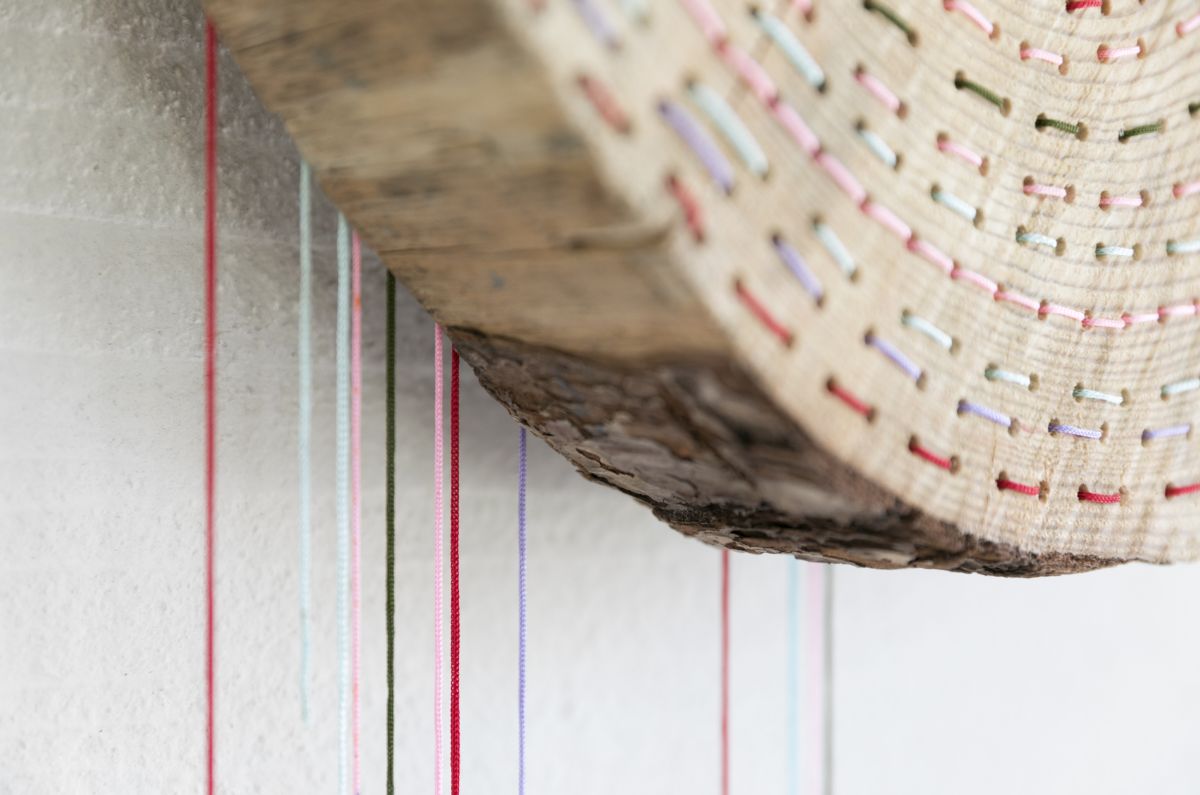
ソレイユ / Shine
松、紐 Pine, strings
39(162)x40x7cm *( ) 紐を含む / Size including string
2020
KAIKA TOKYO AWARD 2020
39(162)x40x7cm *( ) 紐を含む / Size including string
2020
KAIKA TOKYO AWARD 2020
Au fil du temps(オ・フィル・ドゥ・タン)/ ときを縫う
「時のつながりや時代を越えて受け継がれること」を木と紐を使って表現している。
Au fil du tempsはフランス語で時の流れ、時の重なり、時を越えるという意味の熟語である。Filは縫糸、縫う、Tempsは時間という単語が含まれている。
「時を超える」は、「時を縫う」なのだろうか?
木という素材は、時を経て成長した年輪がある。時の重なりと蓄積が見える。そこに穴を開ける。その穴は、一気に時代をワープして、時を越えていく。
木を縫う。開けた穴に紐を縫っていく。その越えていった時をもう一度思い起こす。
時をワープした幾つもの穴を、下から上へと縫っていく紐は、過去、現在を何度も行き来している。それは、私たちが、後悔して悲しんだり、想い出に浸ったり、過去に思いを馳せたりする日常に似ている。
刃物で穴を切っていく行為は男性的な面を持ち、針で縫う事は女性的である。その両面を持ち合わせ、できていく作品に人と人の関係性から生命が繋がっていく事をも感じる。
Au fil du tempsはフランス語で時の流れ、時の重なり、時を越えるという意味の熟語である。Filは縫糸、縫う、Tempsは時間という単語が含まれている。
「時を超える」は、「時を縫う」なのだろうか?
木という素材は、時を経て成長した年輪がある。時の重なりと蓄積が見える。そこに穴を開ける。その穴は、一気に時代をワープして、時を越えていく。
木を縫う。開けた穴に紐を縫っていく。その越えていった時をもう一度思い起こす。
時をワープした幾つもの穴を、下から上へと縫っていく紐は、過去、現在を何度も行き来している。それは、私たちが、後悔して悲しんだり、想い出に浸ったり、過去に思いを馳せたりする日常に似ている。
刃物で穴を切っていく行為は男性的な面を持ち、針で縫う事は女性的である。その両面を持ち合わせ、できていく作品に人と人の関係性から生命が繋がっていく事をも感じる。
Au fil du temps (Transcend time and space) / Sew time
I express “connections through time and things that are passed down generation by generation” using wood and string.
Au fil du temps is a French phrase that refers to the flow of time, the passage of time, and things that are timeless. It contains fil, which means thread or sow, and temps, which refers to time.
Why is being timelessness expressed as sewing time?
Wood contains growth rings that show its growth over the years. You can see the passage and build up of time. I open holes in them. The holes represent moving through time to warp into past ages.
I sew the wood. I pass thread through the holes, and look back at the time that I have traversed.
The thread binds the holes from the bottom up as they jump through a number of warps, to repeatedly traverse the past, present, and future. It is similar to how we spend our days looking back and regretting the past, or enjoying our memories.
The act of cutting the holes with a blade has a masculine aspect to it, and sewing with a needle has a feminine one. Both of these aspects helps one to feel the connection between lives that arises from the relationships between people.
Au fil du temps is a French phrase that refers to the flow of time, the passage of time, and things that are timeless. It contains fil, which means thread or sow, and temps, which refers to time.
Why is being timelessness expressed as sewing time?
Wood contains growth rings that show its growth over the years. You can see the passage and build up of time. I open holes in them. The holes represent moving through time to warp into past ages.
I sew the wood. I pass thread through the holes, and look back at the time that I have traversed.
The thread binds the holes from the bottom up as they jump through a number of warps, to repeatedly traverse the past, present, and future. It is similar to how we spend our days looking back and regretting the past, or enjoying our memories.
The act of cutting the holes with a blade has a masculine aspect to it, and sewing with a needle has a feminine one. Both of these aspects helps one to feel the connection between lives that arises from the relationships between people.
Coudre le temps au fil du temps
Fils et bois expriment dans cette série d’oeuvres la transition « au fils du temps ».
A travers ses veines le bois nous dévoile son temps.
L'aiguille perce le bois et le fils traverse ce temps d'hivers et de printemps.
Coudre le bois pour lier le passé au présent dans le va et vient de ma mémoire et se souvenir.
D'un geste masculin je tranche bois et d'une autre féminin je le coud afin de tisser dans cette consubstantialité le dessin de mes émotions qui s'entremêlement.
A travers ses veines le bois nous dévoile son temps.
L'aiguille perce le bois et le fils traverse ce temps d'hivers et de printemps.
Coudre le bois pour lier le passé au présent dans le va et vient de ma mémoire et se souvenir.
D'un geste masculin je tranche bois et d'une autre féminin je le coud afin de tisser dans cette consubstantialité le dessin de mes émotions qui s'entremêlement.
< close >

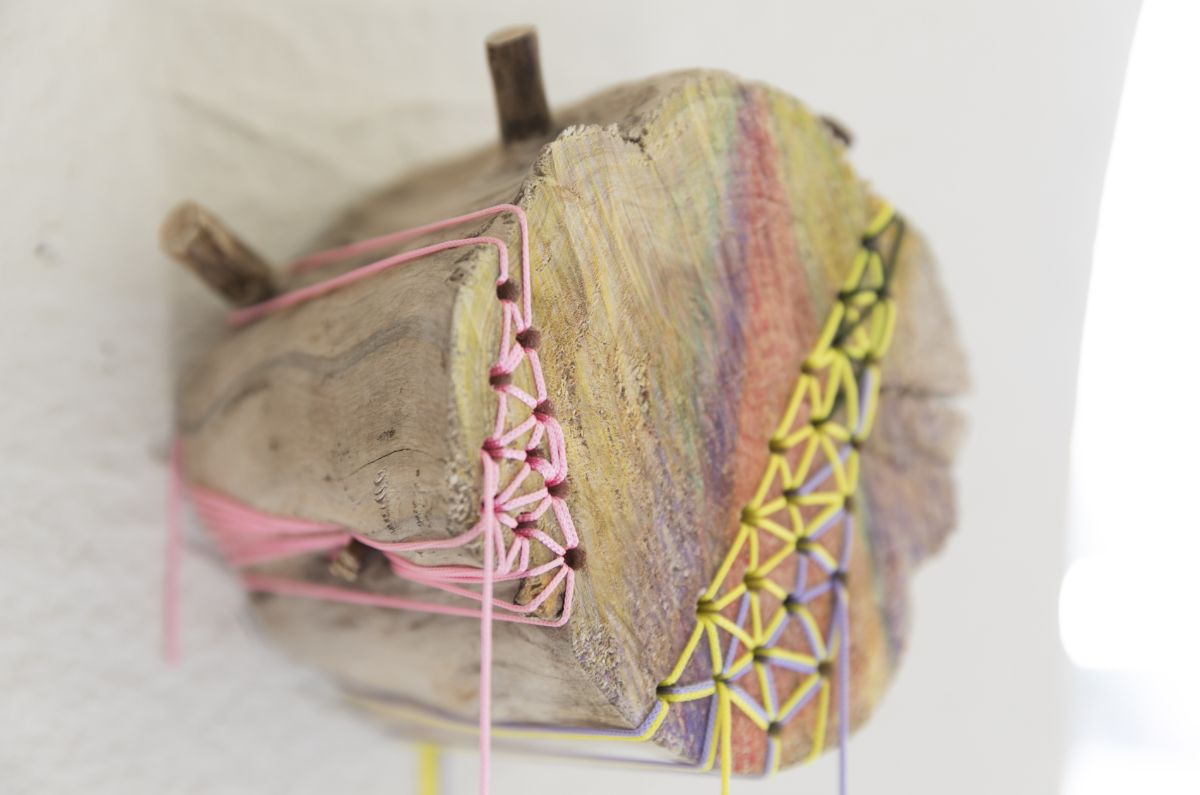

グロウ / Glow
木、紐 Wood, strings
12(25)x11x9cm *( ) 紐を含む / Size including string
2020
KAIKA TOKYO AWARD 2020
12(25)x11x9cm *( ) 紐を含む / Size including string
2020
KAIKA TOKYO AWARD 2020
Au fil du temps(オ・フィル・ドゥ・タン)/ ときを縫う
「時のつながりや時代を越えて受け継がれること」を木と紐を使って表現している。
Au fil du tempsはフランス語で時の流れ、時の重なり、時を越えるという意味の熟語である。Filは縫糸、縫う、Tempsは時間という単語が含まれている。
「時を超える」は、「時を縫う」なのだろうか?
木という素材は、時を経て成長した年輪がある。時の重なりと蓄積が見える。そこに穴を開ける。その穴は、一気に時代をワープして、時を越えていく。
木を縫う。開けた穴に紐を縫っていく。その越えていった時をもう一度思い起こす。
時をワープした幾つもの穴を、下から上へと縫っていく紐は、過去、現在を何度も行き来している。それは、私たちが、後悔して悲しんだり、想い出に浸ったり、過去に思いを馳せたりする日常に似ている。
刃物で穴を切っていく行為は男性的な面を持ち、針で縫う事は女性的である。その両面を持ち合わせ、できていく作品に人と人の関係性から生命が繋がっていく事をも感じる。
Au fil du tempsはフランス語で時の流れ、時の重なり、時を越えるという意味の熟語である。Filは縫糸、縫う、Tempsは時間という単語が含まれている。
「時を超える」は、「時を縫う」なのだろうか?
木という素材は、時を経て成長した年輪がある。時の重なりと蓄積が見える。そこに穴を開ける。その穴は、一気に時代をワープして、時を越えていく。
木を縫う。開けた穴に紐を縫っていく。その越えていった時をもう一度思い起こす。
時をワープした幾つもの穴を、下から上へと縫っていく紐は、過去、現在を何度も行き来している。それは、私たちが、後悔して悲しんだり、想い出に浸ったり、過去に思いを馳せたりする日常に似ている。
刃物で穴を切っていく行為は男性的な面を持ち、針で縫う事は女性的である。その両面を持ち合わせ、できていく作品に人と人の関係性から生命が繋がっていく事をも感じる。
Au fil du temps (Transcend time and space) / Sew time
I express “connections through time and things that are passed down generation by generation” using wood and string.
Au fil du temps is a French phrase that refers to the flow of time, the passage of time, and things that are timeless. It contains fil, which means thread or sow, and temps, which refers to time.
Why is being timelessness expressed as sewing time?
Wood contains growth rings that show its growth over the years. You can see the passage and build up of time. I open holes in them. The holes represent moving through time to warp into past ages.
I sew the wood. I pass thread through the holes, and look back at the time that I have traversed.
The thread binds the holes from the bottom up as they jump through a number of warps, to repeatedly traverse the past, present, and future. It is similar to how we spend our days looking back and regretting the past, or enjoying our memories.
The act of cutting the holes with a blade has a masculine aspect to it, and sewing with a needle has a feminine one. Both of these aspects helps one to feel the connection between lives that arises from the relationships between people.
Au fil du temps is a French phrase that refers to the flow of time, the passage of time, and things that are timeless. It contains fil, which means thread or sow, and temps, which refers to time.
Why is being timelessness expressed as sewing time?
Wood contains growth rings that show its growth over the years. You can see the passage and build up of time. I open holes in them. The holes represent moving through time to warp into past ages.
I sew the wood. I pass thread through the holes, and look back at the time that I have traversed.
The thread binds the holes from the bottom up as they jump through a number of warps, to repeatedly traverse the past, present, and future. It is similar to how we spend our days looking back and regretting the past, or enjoying our memories.
The act of cutting the holes with a blade has a masculine aspect to it, and sewing with a needle has a feminine one. Both of these aspects helps one to feel the connection between lives that arises from the relationships between people.
Coudre le temps au fil du temps
Fils et bois expriment dans cette série d’oeuvres la transition « au fils du temps ».
A travers ses veines le bois nous dévoile son temps.
L'aiguille perce le bois et le fils traverse ce temps d'hivers et de printemps.
Coudre le bois pour lier le passé au présent dans le va et vient de ma mémoire et se souvenir.
D'un geste masculin je tranche bois et d'une autre féminin je le coud afin de tisser dans cette consubstantialité le dessin de mes émotions qui s'entremêlement.
A travers ses veines le bois nous dévoile son temps.
L'aiguille perce le bois et le fils traverse ce temps d'hivers et de printemps.
Coudre le bois pour lier le passé au présent dans le va et vient de ma mémoire et se souvenir.
D'un geste masculin je tranche bois et d'une autre féminin je le coud afin de tisser dans cette consubstantialité le dessin de mes émotions qui s'entremêlement.
< close >

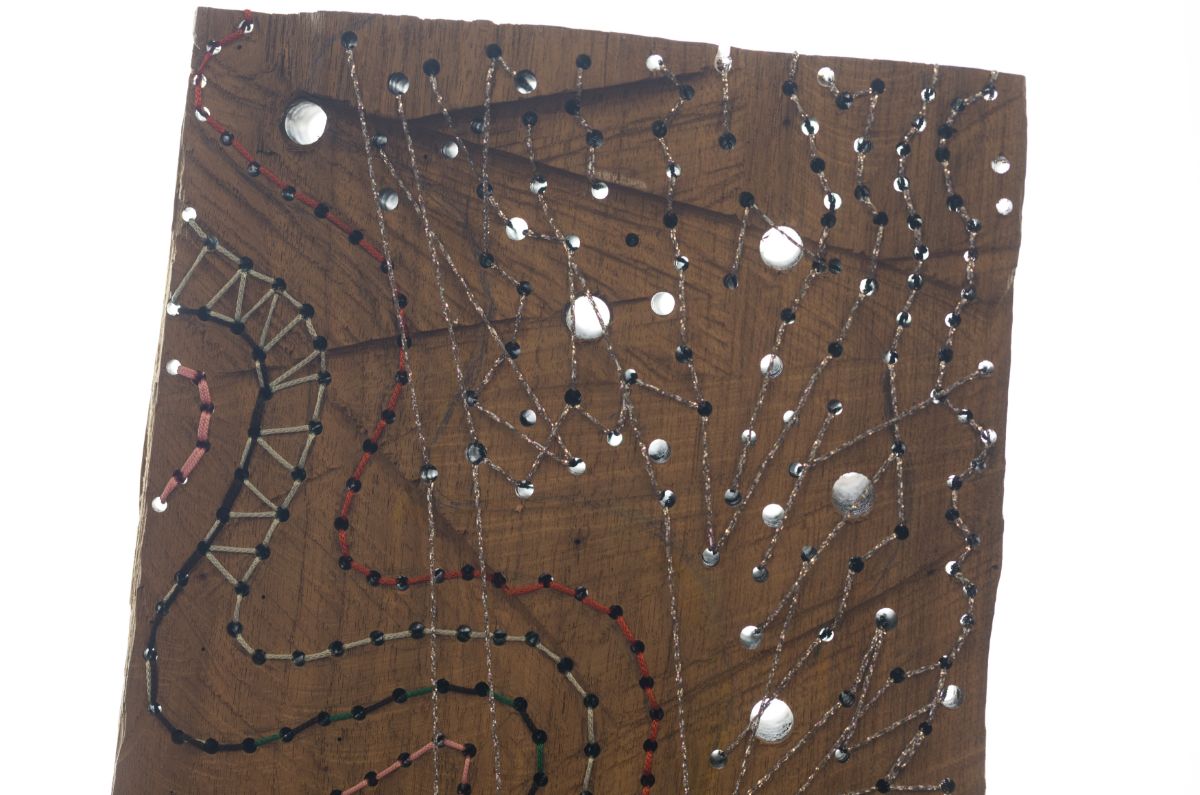
サテリト / Satellite
桜、紐 Cherry tree, string
120x20x8cm
2020
120x20x8cm
2020
Au fil du temps(オ・フィル・ドゥ・タン)/ ときを縫う
「時のつながりや時代を越えて受け継がれること」を木と紐を使って表現している。
Au fil du tempsはフランス語で時の流れ、時の重なり、時を越えるという意味の熟語である。Filは縫糸、縫う、Tempsは時間という単語が含まれている。
「時を超える」は、「時を縫う」なのだろうか?
木という素材は、時を経て成長した年輪がある。時の重なりと蓄積が見える。そこに穴を開ける。その穴は、一気に時代をワープして、時を越えていく。
木を縫う。開けた穴に紐を縫っていく。その越えていった時をもう一度思い起こす。
時をワープした幾つもの穴を、下から上へと縫っていく紐は、過去、現在を何度も行き来している。それは、私たちが、後悔して悲しんだり、想い出に浸ったり、過去に思いを馳せたりする日常に似ている。
刃物で穴を切っていく行為は男性的な面を持ち、針で縫う事は女性的である。その両面を持ち合わせ、できていく作品に人と人の関係性から生命が繋がっていく事をも感じる。
Au fil du tempsはフランス語で時の流れ、時の重なり、時を越えるという意味の熟語である。Filは縫糸、縫う、Tempsは時間という単語が含まれている。
「時を超える」は、「時を縫う」なのだろうか?
木という素材は、時を経て成長した年輪がある。時の重なりと蓄積が見える。そこに穴を開ける。その穴は、一気に時代をワープして、時を越えていく。
木を縫う。開けた穴に紐を縫っていく。その越えていった時をもう一度思い起こす。
時をワープした幾つもの穴を、下から上へと縫っていく紐は、過去、現在を何度も行き来している。それは、私たちが、後悔して悲しんだり、想い出に浸ったり、過去に思いを馳せたりする日常に似ている。
刃物で穴を切っていく行為は男性的な面を持ち、針で縫う事は女性的である。その両面を持ち合わせ、できていく作品に人と人の関係性から生命が繋がっていく事をも感じる。
Au fil du temps (Transcend time and space) / Sew time
I express “connections through time and things that are passed down generation by generation” using wood and string.
Au fil du temps is a French phrase that refers to the flow of time, the passage of time, and things that are timeless. It contains fil, which means thread or sow, and temps, which refers to time.
Why is being timelessness expressed as sewing time?
Wood contains growth rings that show its growth over the years. You can see the passage and build up of time. I open holes in them. The holes represent moving through time to warp into past ages.
I sew the wood. I pass thread through the holes, and look back at the time that I have traversed.
The thread binds the holes from the bottom up as they jump through a number of warps, to repeatedly traverse the past, present, and future. It is similar to how we spend our days looking back and regretting the past, or enjoying our memories.
The act of cutting the holes with a blade has a masculine aspect to it, and sewing with a needle has a feminine one. Both of these aspects helps one to feel the connection between lives that arises from the relationships between people.
Au fil du temps is a French phrase that refers to the flow of time, the passage of time, and things that are timeless. It contains fil, which means thread or sow, and temps, which refers to time.
Why is being timelessness expressed as sewing time?
Wood contains growth rings that show its growth over the years. You can see the passage and build up of time. I open holes in them. The holes represent moving through time to warp into past ages.
I sew the wood. I pass thread through the holes, and look back at the time that I have traversed.
The thread binds the holes from the bottom up as they jump through a number of warps, to repeatedly traverse the past, present, and future. It is similar to how we spend our days looking back and regretting the past, or enjoying our memories.
The act of cutting the holes with a blade has a masculine aspect to it, and sewing with a needle has a feminine one. Both of these aspects helps one to feel the connection between lives that arises from the relationships between people.
Coudre le temps au fil du temps
Fils et bois expriment dans cette série d’oeuvres la transition « au fils du temps ».
A travers ses veines le bois nous dévoile son temps.
L'aiguille perce le bois et le fils traverse ce temps d'hivers et de printemps.
Coudre le bois pour lier le passé au présent dans le va et vient de ma mémoire et se souvenir.
D'un geste masculin je tranche bois et d'une autre féminin je le coud afin de tisser dans cette consubstantialité le dessin de mes émotions qui s'entremêlement.
A travers ses veines le bois nous dévoile son temps.
L'aiguille perce le bois et le fils traverse ce temps d'hivers et de printemps.
Coudre le bois pour lier le passé au présent dans le va et vient de ma mémoire et se souvenir.
D'un geste masculin je tranche bois et d'une autre féminin je le coud afin de tisser dans cette consubstantialité le dessin de mes émotions qui s'entremêlement.
< close >
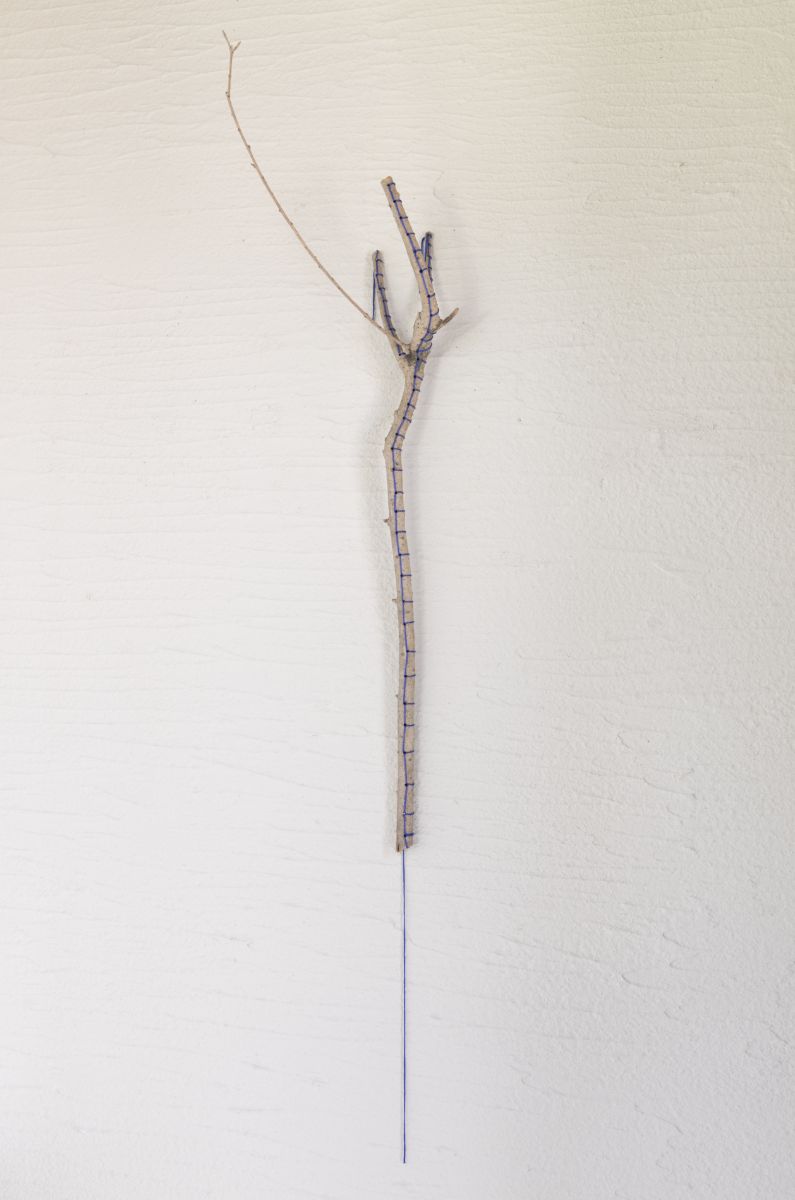
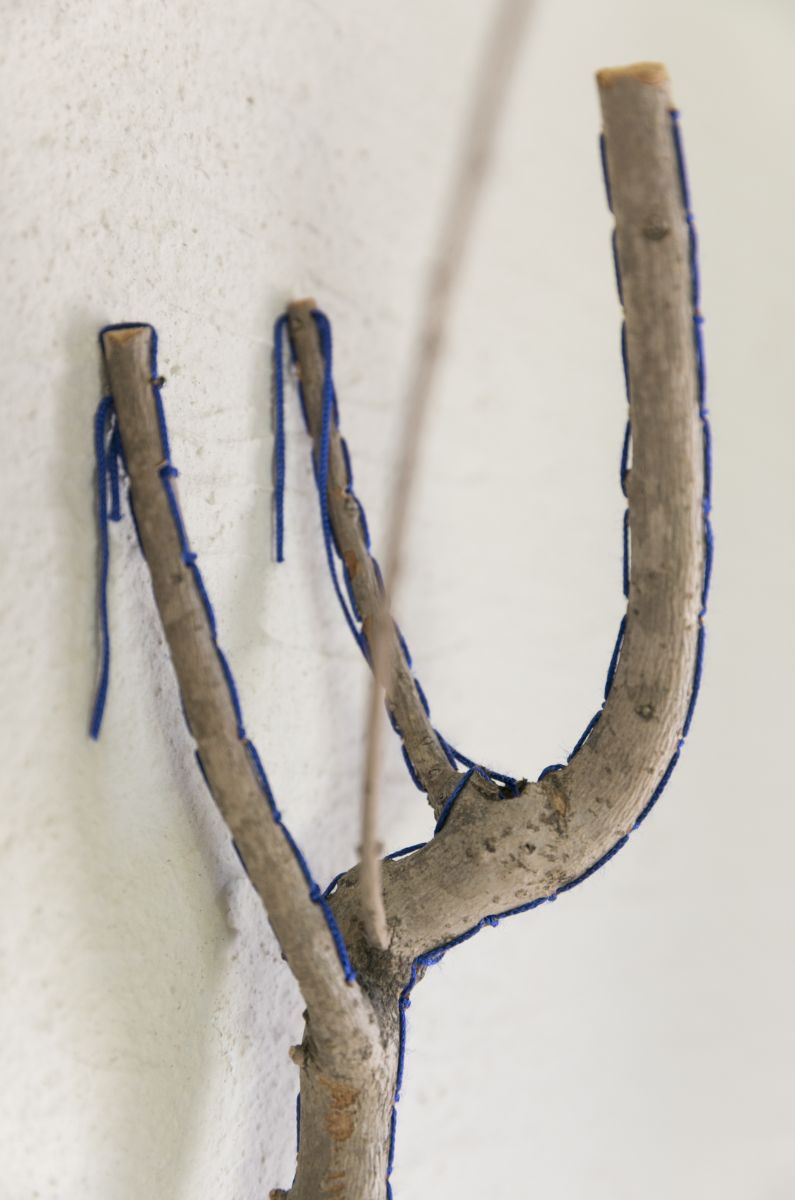
ネビュリューズ / Nebula
ライラック、紐 Lilac, string
60(90)x16x18cm
2020
60(90)x16x18cm
2020
Au fil du temps(オ・フィル・ドゥ・タン)/ ときを縫う
「時のつながりや時代を越えて受け継がれること」を木と紐を使って表現している。
Au fil du tempsはフランス語で時の流れ、時の重なり、時を越えるという意味の熟語である。Filは縫糸、縫う、Tempsは時間という単語が含まれている。
「時を超える」は、「時を縫う」なのだろうか?
木という素材は、時を経て成長した年輪がある。時の重なりと蓄積が見える。そこに穴を開ける。その穴は、一気に時代をワープして、時を越えていく。
木を縫う。開けた穴に紐を縫っていく。その越えていった時をもう一度思い起こす。
時をワープした幾つもの穴を、下から上へと縫っていく紐は、過去、現在を何度も行き来している。それは、私たちが、後悔して悲しんだり、想い出に浸ったり、過去に思いを馳せたりする日常に似ている。
刃物で穴を切っていく行為は男性的な面を持ち、針で縫う事は女性的である。その両面を持ち合わせ、できていく作品に人と人の関係性から生命が繋がっていく事をも感じる。
Au fil du tempsはフランス語で時の流れ、時の重なり、時を越えるという意味の熟語である。Filは縫糸、縫う、Tempsは時間という単語が含まれている。
「時を超える」は、「時を縫う」なのだろうか?
木という素材は、時を経て成長した年輪がある。時の重なりと蓄積が見える。そこに穴を開ける。その穴は、一気に時代をワープして、時を越えていく。
木を縫う。開けた穴に紐を縫っていく。その越えていった時をもう一度思い起こす。
時をワープした幾つもの穴を、下から上へと縫っていく紐は、過去、現在を何度も行き来している。それは、私たちが、後悔して悲しんだり、想い出に浸ったり、過去に思いを馳せたりする日常に似ている。
刃物で穴を切っていく行為は男性的な面を持ち、針で縫う事は女性的である。その両面を持ち合わせ、できていく作品に人と人の関係性から生命が繋がっていく事をも感じる。
Au fil du temps (Transcend time and space) / Sew time
I express “connections through time and things that are passed down generation by generation” using wood and string.
Au fil du temps is a French phrase that refers to the flow of time, the passage of time, and things that are timeless. It contains fil, which means thread or sow, and temps, which refers to time.
Why is being timelessness expressed as sewing time?
Wood contains growth rings that show its growth over the years. You can see the passage and build up of time. I open holes in them. The holes represent moving through time to warp into past ages.
I sew the wood. I pass thread through the holes, and look back at the time that I have traversed.
The thread binds the holes from the bottom up as they jump through a number of warps, to repeatedly traverse the past, present, and future. It is similar to how we spend our days looking back and regretting the past, or enjoying our memories.
The act of cutting the holes with a blade has a masculine aspect to it, and sewing with a needle has a feminine one. Both of these aspects helps one to feel the connection between lives that arises from the relationships between people.
Au fil du temps is a French phrase that refers to the flow of time, the passage of time, and things that are timeless. It contains fil, which means thread or sow, and temps, which refers to time.
Why is being timelessness expressed as sewing time?
Wood contains growth rings that show its growth over the years. You can see the passage and build up of time. I open holes in them. The holes represent moving through time to warp into past ages.
I sew the wood. I pass thread through the holes, and look back at the time that I have traversed.
The thread binds the holes from the bottom up as they jump through a number of warps, to repeatedly traverse the past, present, and future. It is similar to how we spend our days looking back and regretting the past, or enjoying our memories.
The act of cutting the holes with a blade has a masculine aspect to it, and sewing with a needle has a feminine one. Both of these aspects helps one to feel the connection between lives that arises from the relationships between people.
Coudre le temps au fil du temps
Fils et bois expriment dans cette série d’oeuvres la transition « au fils du temps ».
A travers ses veines le bois nous dévoile son temps.
L'aiguille perce le bois et le fils traverse ce temps d'hivers et de printemps.
Coudre le bois pour lier le passé au présent dans le va et vient de ma mémoire et se souvenir.
D'un geste masculin je tranche bois et d'une autre féminin je le coud afin de tisser dans cette consubstantialité le dessin de mes émotions qui s'entremêlement.
A travers ses veines le bois nous dévoile son temps.
L'aiguille perce le bois et le fils traverse ce temps d'hivers et de printemps.
Coudre le bois pour lier le passé au présent dans le va et vient de ma mémoire et se souvenir.
D'un geste masculin je tranche bois et d'une autre féminin je le coud afin de tisser dans cette consubstantialité le dessin de mes émotions qui s'entremêlement.
< close >

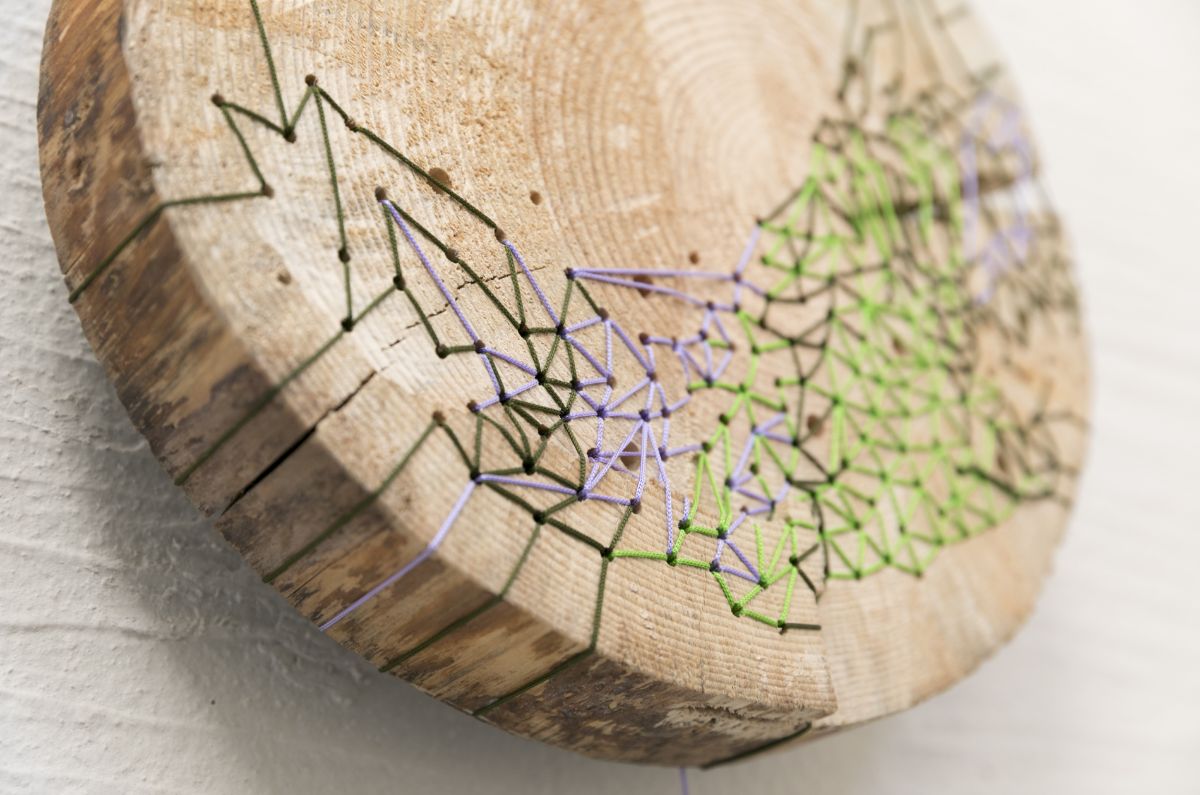
リューヌ / Moon
松、紐 Pine, string
32x30x5cm
2020
32x30x5cm
2020
Au fil du temps(オ・フィル・ドゥ・タン)/ ときを縫う
「時のつながりや時代を越えて受け継がれること」を木と紐を使って表現している。
Au fil du tempsはフランス語で時の流れ、時の重なり、時を越えるという意味の熟語である。Filは縫糸、縫う、Tempsは時間という単語が含まれている。
「時を超える」は、「時を縫う」なのだろうか?
木という素材は、時を経て成長した年輪がある。時の重なりと蓄積が見える。そこに穴を開ける。その穴は、一気に時代をワープして、時を越えていく。
木を縫う。開けた穴に紐を縫っていく。その越えていった時をもう一度思い起こす。
時をワープした幾つもの穴を、下から上へと縫っていく紐は、過去、現在を何度も行き来している。それは、私たちが、後悔して悲しんだり、想い出に浸ったり、過去に思いを馳せたりする日常に似ている。
刃物で穴を切っていく行為は男性的な面を持ち、針で縫う事は女性的である。その両面を持ち合わせ、できていく作品に人と人の関係性から生命が繋がっていく事をも感じる。
Au fil du tempsはフランス語で時の流れ、時の重なり、時を越えるという意味の熟語である。Filは縫糸、縫う、Tempsは時間という単語が含まれている。
「時を超える」は、「時を縫う」なのだろうか?
木という素材は、時を経て成長した年輪がある。時の重なりと蓄積が見える。そこに穴を開ける。その穴は、一気に時代をワープして、時を越えていく。
木を縫う。開けた穴に紐を縫っていく。その越えていった時をもう一度思い起こす。
時をワープした幾つもの穴を、下から上へと縫っていく紐は、過去、現在を何度も行き来している。それは、私たちが、後悔して悲しんだり、想い出に浸ったり、過去に思いを馳せたりする日常に似ている。
刃物で穴を切っていく行為は男性的な面を持ち、針で縫う事は女性的である。その両面を持ち合わせ、できていく作品に人と人の関係性から生命が繋がっていく事をも感じる。
Au fil du temps (Transcend time and space) / Sew time
I express “connections through time and things that are passed down generation by generation” using wood and string.
Au fil du temps is a French phrase that refers to the flow of time, the passage of time, and things that are timeless. It contains fil, which means thread or sow, and temps, which refers to time.
Why is being timelessness expressed as sewing time?
Wood contains growth rings that show its growth over the years. You can see the passage and build up of time. I open holes in them. The holes represent moving through time to warp into past ages.
I sew the wood. I pass thread through the holes, and look back at the time that I have traversed.
The thread binds the holes from the bottom up as they jump through a number of warps, to repeatedly traverse the past, present, and future. It is similar to how we spend our days looking back and regretting the past, or enjoying our memories.
The act of cutting the holes with a blade has a masculine aspect to it, and sewing with a needle has a feminine one. Both of these aspects helps one to feel the connection between lives that arises from the relationships between people.
Au fil du temps is a French phrase that refers to the flow of time, the passage of time, and things that are timeless. It contains fil, which means thread or sow, and temps, which refers to time.
Why is being timelessness expressed as sewing time?
Wood contains growth rings that show its growth over the years. You can see the passage and build up of time. I open holes in them. The holes represent moving through time to warp into past ages.
I sew the wood. I pass thread through the holes, and look back at the time that I have traversed.
The thread binds the holes from the bottom up as they jump through a number of warps, to repeatedly traverse the past, present, and future. It is similar to how we spend our days looking back and regretting the past, or enjoying our memories.
The act of cutting the holes with a blade has a masculine aspect to it, and sewing with a needle has a feminine one. Both of these aspects helps one to feel the connection between lives that arises from the relationships between people.
Coudre le temps au fil du temps
Fils et bois expriment dans cette série d’oeuvres la transition « au fils du temps ».
A travers ses veines le bois nous dévoile son temps.
L'aiguille perce le bois et le fils traverse ce temps d'hivers et de printemps.
Coudre le bois pour lier le passé au présent dans le va et vient de ma mémoire et se souvenir.
D'un geste masculin je tranche bois et d'une autre féminin je le coud afin de tisser dans cette consubstantialité le dessin de mes émotions qui s'entremêlement.
A travers ses veines le bois nous dévoile son temps.
L'aiguille perce le bois et le fils traverse ce temps d'hivers et de printemps.
Coudre le bois pour lier le passé au présent dans le va et vient de ma mémoire et se souvenir.
D'un geste masculin je tranche bois et d'une autre féminin je le coud afin de tisser dans cette consubstantialité le dessin de mes émotions qui s'entremêlement.
< close >

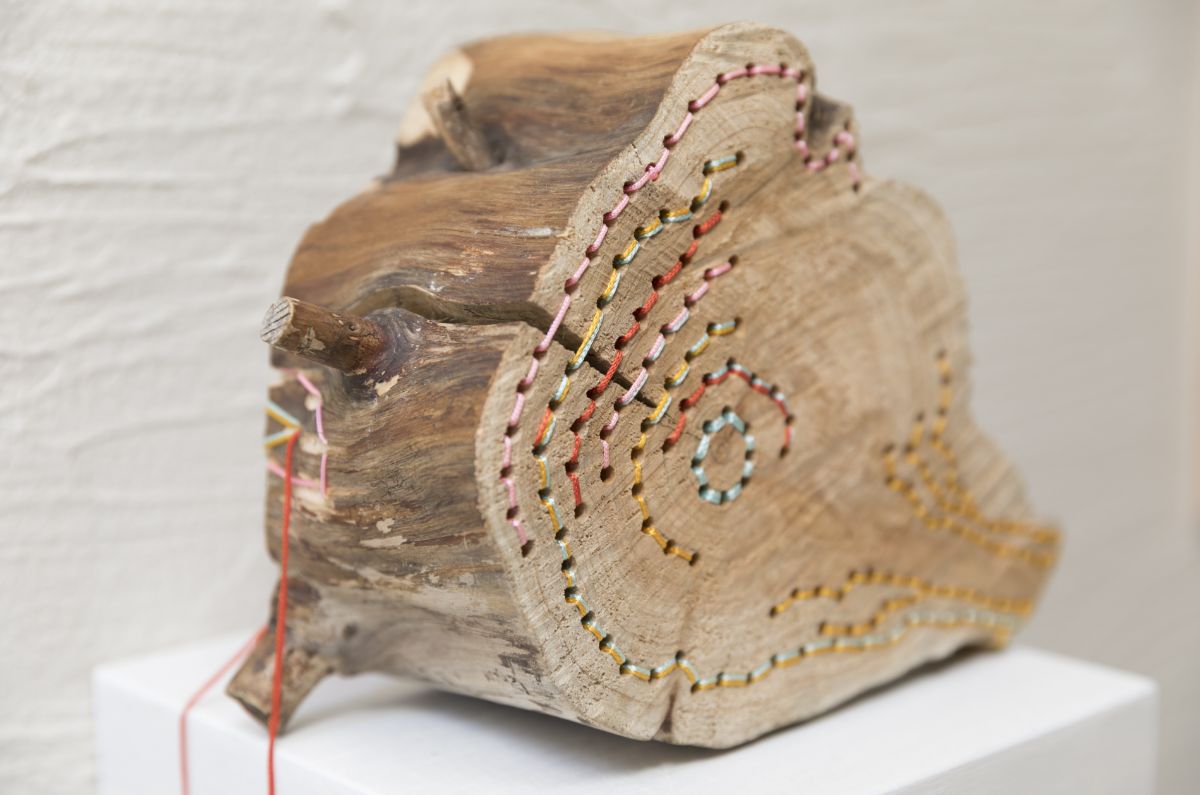

ギャラクシー / Galaxy
木、紐 Wood, String
25(50)x20x9cm *( ) 紐を含む / Size including string
2020
25(50)x20x9cm *( ) 紐を含む / Size including string
2020
Au fil du temps(オ・フィル・ドゥ・タン)/ ときを縫う
「時のつながりや時代を越えて受け継がれること」を木と紐を使って表現している。
Au fil du tempsはフランス語で時の流れ、時の重なり、時を越えるという意味の熟語である。Filは縫糸、縫う、Tempsは時間という単語が含まれている。
「時を超える」は、「時を縫う」なのだろうか?
木という素材は、時を経て成長した年輪がある。時の重なりと蓄積が見える。そこに穴を開ける。その穴は、一気に時代をワープして、時を越えていく。
木を縫う。開けた穴に紐を縫っていく。その越えていった時をもう一度思い起こす。
時をワープした幾つもの穴を、下から上へと縫っていく紐は、過去、現在を何度も行き来している。それは、私たちが、後悔して悲しんだり、想い出に浸ったり、過去に思いを馳せたりする日常に似ている。
刃物で穴を切っていく行為は男性的な面を持ち、針で縫う事は女性的である。その両面を持ち合わせ、できていく作品に人と人の関係性から生命が繋がっていく事をも感じる。
Au fil du tempsはフランス語で時の流れ、時の重なり、時を越えるという意味の熟語である。Filは縫糸、縫う、Tempsは時間という単語が含まれている。
「時を超える」は、「時を縫う」なのだろうか?
木という素材は、時を経て成長した年輪がある。時の重なりと蓄積が見える。そこに穴を開ける。その穴は、一気に時代をワープして、時を越えていく。
木を縫う。開けた穴に紐を縫っていく。その越えていった時をもう一度思い起こす。
時をワープした幾つもの穴を、下から上へと縫っていく紐は、過去、現在を何度も行き来している。それは、私たちが、後悔して悲しんだり、想い出に浸ったり、過去に思いを馳せたりする日常に似ている。
刃物で穴を切っていく行為は男性的な面を持ち、針で縫う事は女性的である。その両面を持ち合わせ、できていく作品に人と人の関係性から生命が繋がっていく事をも感じる。
Au fil du temps (Transcend time and space) / Sew time
I express “connections through time and things that are passed down generation by generation” using wood and string.
Au fil du temps is a French phrase that refers to the flow of time, the passage of time, and things that are timeless. It contains fil, which means thread or sow, and temps, which refers to time.
Why is being timelessness expressed as sewing time?
Wood contains growth rings that show its growth over the years. You can see the passage and build up of time. I open holes in them. The holes represent moving through time to warp into past ages.
I sew the wood. I pass thread through the holes, and look back at the time that I have traversed.
The thread binds the holes from the bottom up as they jump through a number of warps, to repeatedly traverse the past, present, and future. It is similar to how we spend our days looking back and regretting the past, or enjoying our memories.
The act of cutting the holes with a blade has a masculine aspect to it, and sewing with a needle has a feminine one. Both of these aspects helps one to feel the connection between lives that arises from the relationships between people.
Au fil du temps is a French phrase that refers to the flow of time, the passage of time, and things that are timeless. It contains fil, which means thread or sow, and temps, which refers to time.
Why is being timelessness expressed as sewing time?
Wood contains growth rings that show its growth over the years. You can see the passage and build up of time. I open holes in them. The holes represent moving through time to warp into past ages.
I sew the wood. I pass thread through the holes, and look back at the time that I have traversed.
The thread binds the holes from the bottom up as they jump through a number of warps, to repeatedly traverse the past, present, and future. It is similar to how we spend our days looking back and regretting the past, or enjoying our memories.
The act of cutting the holes with a blade has a masculine aspect to it, and sewing with a needle has a feminine one. Both of these aspects helps one to feel the connection between lives that arises from the relationships between people.
Coudre le temps au fil du temps
Fils et bois expriment dans cette série d’oeuvres la transition « au fils du temps ».
A travers ses veines le bois nous dévoile son temps.
L'aiguille perce le bois et le fils traverse ce temps d'hivers et de printemps.
Coudre le bois pour lier le passé au présent dans le va et vient de ma mémoire et se souvenir.
D'un geste masculin je tranche bois et d'une autre féminin je le coud afin de tisser dans cette consubstantialité le dessin de mes émotions qui s'entremêlement.
A travers ses veines le bois nous dévoile son temps.
L'aiguille perce le bois et le fils traverse ce temps d'hivers et de printemps.
Coudre le bois pour lier le passé au présent dans le va et vient de ma mémoire et se souvenir.
D'un geste masculin je tranche bois et d'une autre féminin je le coud afin de tisser dans cette consubstantialité le dessin de mes émotions qui s'entremêlement.
< close >

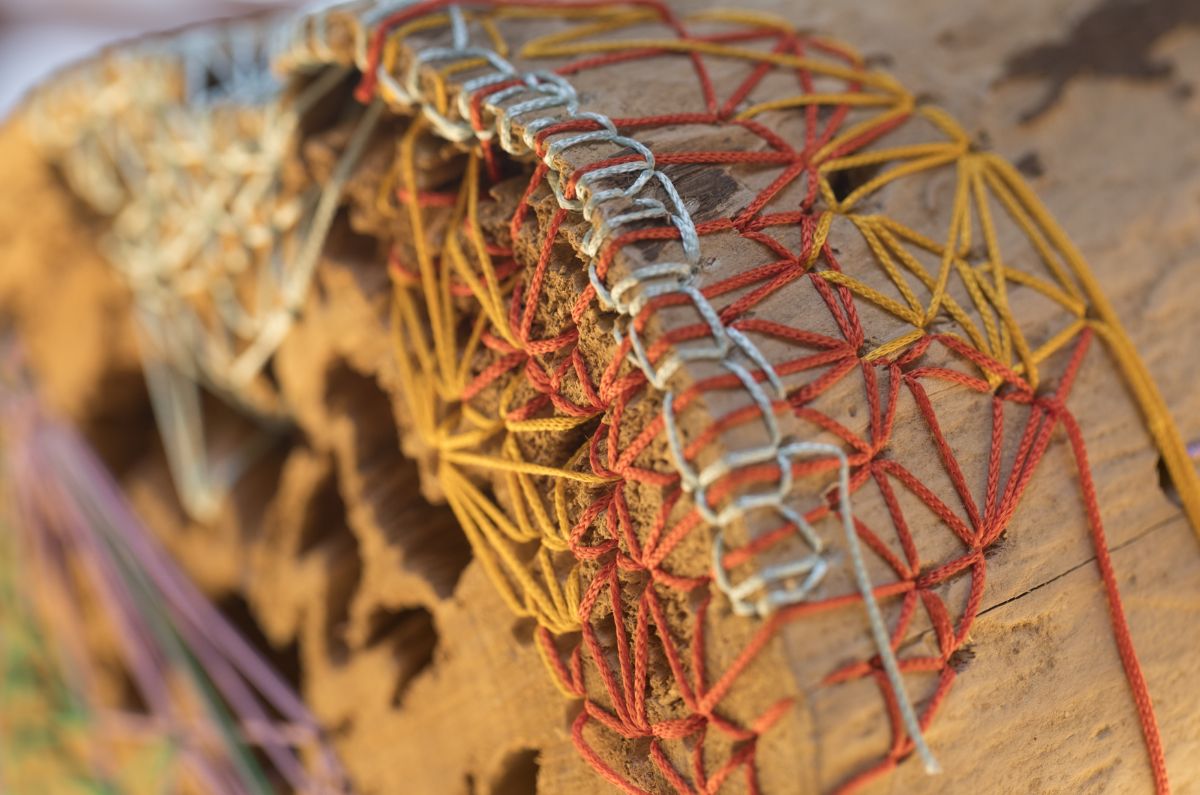
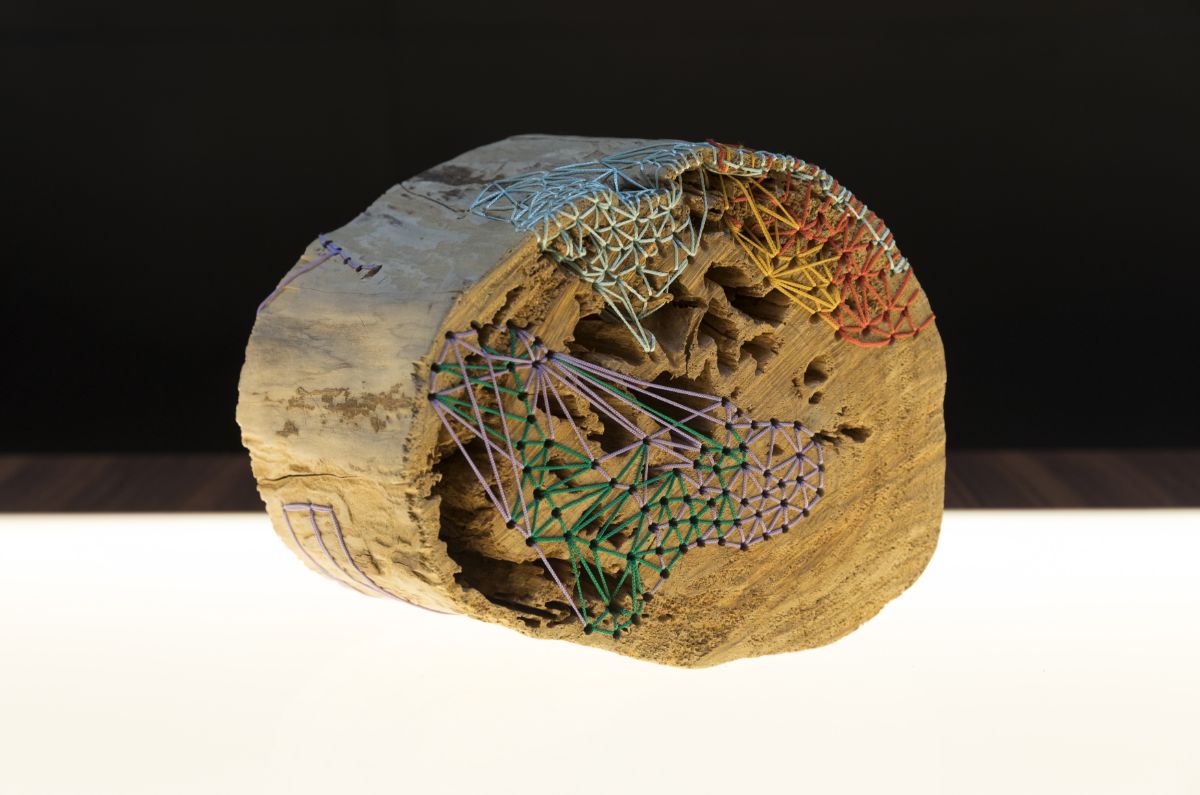
Lune / Moon
木、紐 Wood, string
20x23x20cm
2020
20x23x20cm
2020
Au fil du temps(オ・フィル・ドゥ・タン)/ ときを縫う
「時のつながりや時代を越えて受け継がれること」を木と紐を使って表現している。
Au fil du tempsはフランス語で時の流れ、時の重なり、時を越えるという意味の熟語である。Filは縫糸、縫う、Tempsは時間という単語が含まれている。
「時を超える」は、「時を縫う」なのだろうか?
木という素材は、時を経て成長した年輪がある。時の重なりと蓄積が見える。そこに穴を開ける。その穴は、一気に時代をワープして、時を越えていく。
木を縫う。開けた穴に紐を縫っていく。その越えていった時をもう一度思い起こす。
時をワープした幾つもの穴を、下から上へと縫っていく紐は、過去、現在を何度も行き来している。それは、私たちが、後悔して悲しんだり、想い出に浸ったり、過去に思いを馳せたりする日常に似ている。
刃物で穴を切っていく行為は男性的な面を持ち、針で縫う事は女性的である。その両面を持ち合わせ、できていく作品に人と人の関係性から生命が繋がっていく事をも感じる。
Au fil du tempsはフランス語で時の流れ、時の重なり、時を越えるという意味の熟語である。Filは縫糸、縫う、Tempsは時間という単語が含まれている。
「時を超える」は、「時を縫う」なのだろうか?
木という素材は、時を経て成長した年輪がある。時の重なりと蓄積が見える。そこに穴を開ける。その穴は、一気に時代をワープして、時を越えていく。
木を縫う。開けた穴に紐を縫っていく。その越えていった時をもう一度思い起こす。
時をワープした幾つもの穴を、下から上へと縫っていく紐は、過去、現在を何度も行き来している。それは、私たちが、後悔して悲しんだり、想い出に浸ったり、過去に思いを馳せたりする日常に似ている。
刃物で穴を切っていく行為は男性的な面を持ち、針で縫う事は女性的である。その両面を持ち合わせ、できていく作品に人と人の関係性から生命が繋がっていく事をも感じる。
Au fil du temps (Transcend time and space) / Sew time
I express “connections through time and things that are passed down generation by generation” using wood and string.
Au fil du temps is a French phrase that refers to the flow of time, the passage of time, and things that are timeless. It contains fil, which means thread or sow, and temps, which refers to time.
Why is being timelessness expressed as sewing time?
Wood contains growth rings that show its growth over the years. You can see the passage and build up of time. I open holes in them. The holes represent moving through time to warp into past ages.
I sew the wood. I pass thread through the holes, and look back at the time that I have traversed.
The thread binds the holes from the bottom up as they jump through a number of warps, to repeatedly traverse the past, present, and future. It is similar to how we spend our days looking back and regretting the past, or enjoying our memories.
The act of cutting the holes with a blade has a masculine aspect to it, and sewing with a needle has a feminine one. Both of these aspects helps one to feel the connection between lives that arises from the relationships between people.
Au fil du temps is a French phrase that refers to the flow of time, the passage of time, and things that are timeless. It contains fil, which means thread or sow, and temps, which refers to time.
Why is being timelessness expressed as sewing time?
Wood contains growth rings that show its growth over the years. You can see the passage and build up of time. I open holes in them. The holes represent moving through time to warp into past ages.
I sew the wood. I pass thread through the holes, and look back at the time that I have traversed.
The thread binds the holes from the bottom up as they jump through a number of warps, to repeatedly traverse the past, present, and future. It is similar to how we spend our days looking back and regretting the past, or enjoying our memories.
The act of cutting the holes with a blade has a masculine aspect to it, and sewing with a needle has a feminine one. Both of these aspects helps one to feel the connection between lives that arises from the relationships between people.
Coudre le temps au fil du temps
Fils et bois expriment dans cette série d’oeuvres la transition « au fils du temps ».
A travers ses veines le bois nous dévoile son temps.
L'aiguille perce le bois et le fils traverse ce temps d'hivers et de printemps.
Coudre le bois pour lier le passé au présent dans le va et vient de ma mémoire et se souvenir.
D'un geste masculin je tranche bois et d'une autre féminin je le coud afin de tisser dans cette consubstantialité le dessin de mes émotions qui s'entremêlement.
A travers ses veines le bois nous dévoile son temps.
L'aiguille perce le bois et le fils traverse ce temps d'hivers et de printemps.
Coudre le bois pour lier le passé au présent dans le va et vient de ma mémoire et se souvenir.
D'un geste masculin je tranche bois et d'une autre féminin je le coud afin de tisser dans cette consubstantialité le dessin de mes émotions qui s'entremêlement.
< close >
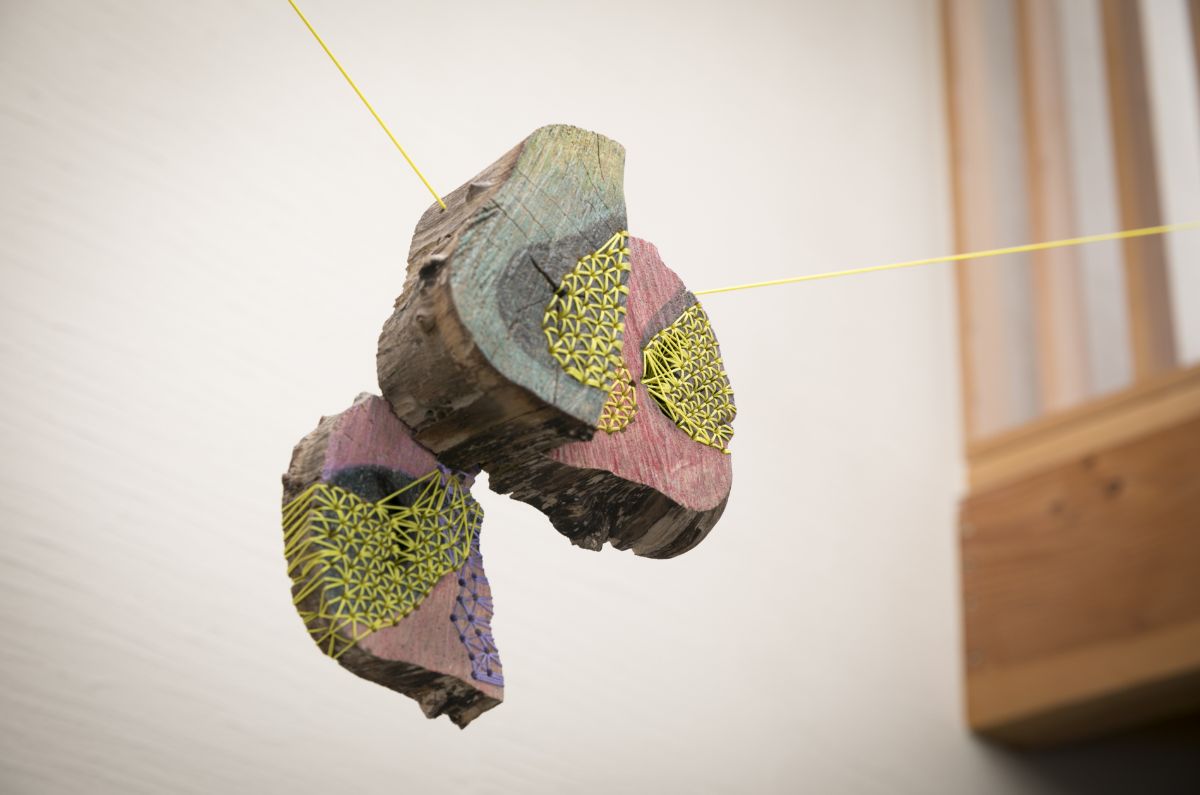
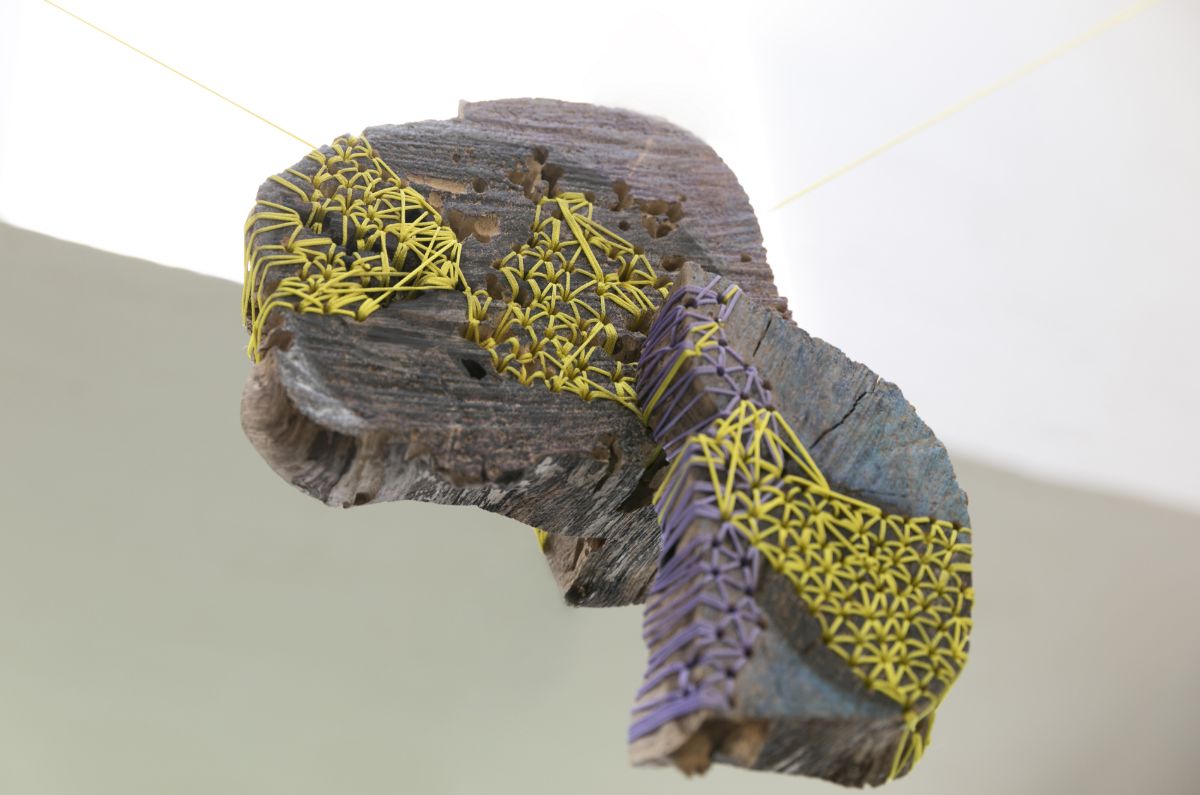
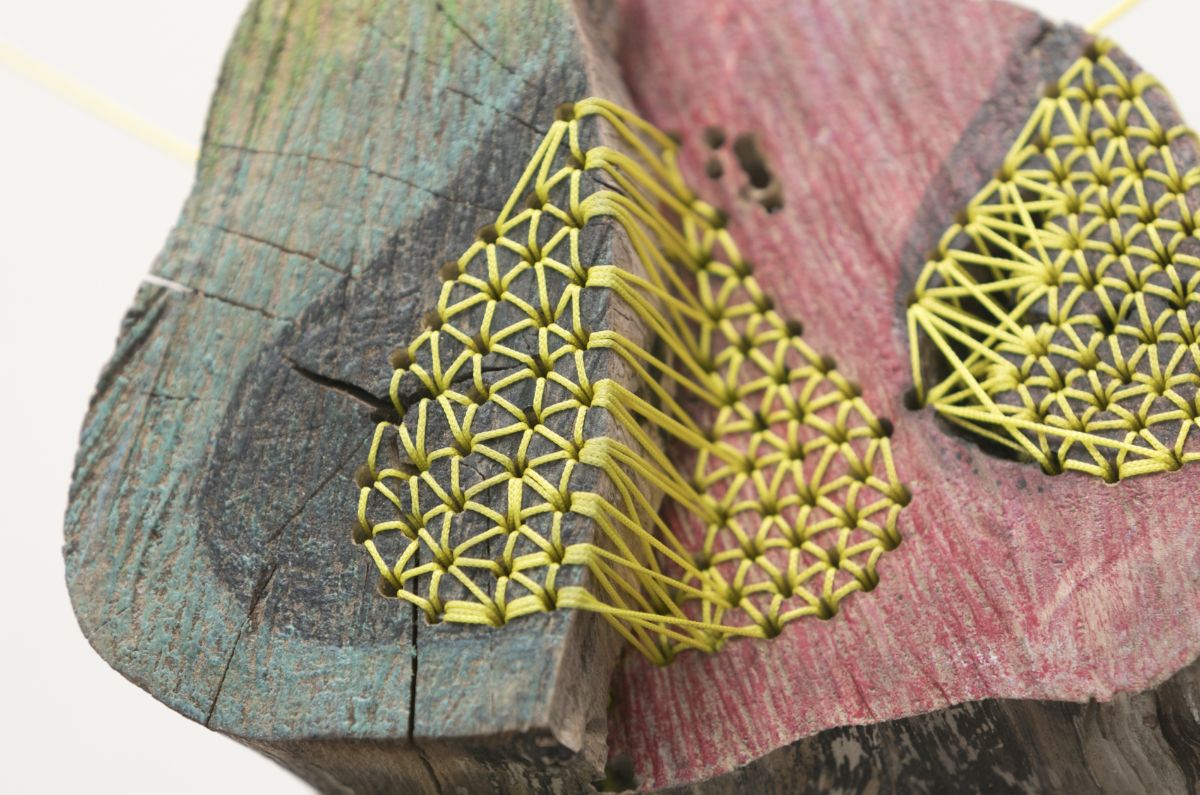
エトワール / Étoile
柿、紐、オイルパステル Oak, string, oil pastel
18x20x12cm
2019
18x20x12cm
2019
Au fil du temps(オ・フィル・ドゥ・タン)/ ときを縫う
「時のつながりや時代を越えて受け継がれること」を木と紐を使って表現している。
Au fil du tempsはフランス語で時の流れ、時の重なり、時を越えるという意味の熟語である。Filは縫糸、縫う、Tempsは時間という単語が含まれている。
「時を超える」は、「時を縫う」なのだろうか?
木という素材は、時を経て成長した年輪がある。時の重なりと蓄積が見える。そこに穴を開ける。その穴は、一気に時代をワープして、時を越えていく。
木を縫う。開けた穴に紐を縫っていく。その越えていった時をもう一度思い起こす。
時をワープした幾つもの穴を、下から上へと縫っていく紐は、過去、現在を何度も行き来している。それは、私たちが、後悔して悲しんだり、想い出に浸ったり、過去に思いを馳せたりする日常に似ている。
刃物で穴を切っていく行為は男性的な面を持ち、針で縫う事は女性的である。その両面を持ち合わせ、できていく作品に人と人の関係性から生命が繋がっていく事をも感じる。
Au fil du tempsはフランス語で時の流れ、時の重なり、時を越えるという意味の熟語である。Filは縫糸、縫う、Tempsは時間という単語が含まれている。
「時を超える」は、「時を縫う」なのだろうか?
木という素材は、時を経て成長した年輪がある。時の重なりと蓄積が見える。そこに穴を開ける。その穴は、一気に時代をワープして、時を越えていく。
木を縫う。開けた穴に紐を縫っていく。その越えていった時をもう一度思い起こす。
時をワープした幾つもの穴を、下から上へと縫っていく紐は、過去、現在を何度も行き来している。それは、私たちが、後悔して悲しんだり、想い出に浸ったり、過去に思いを馳せたりする日常に似ている。
刃物で穴を切っていく行為は男性的な面を持ち、針で縫う事は女性的である。その両面を持ち合わせ、できていく作品に人と人の関係性から生命が繋がっていく事をも感じる。
Au fil du temps (Transcend time and space) / Sew time
I express “connections through time and things that are passed down generation by generation” using wood and string.
Au fil du temps is a French phrase that refers to the flow of time, the passage of time, and things that are timeless. It contains fil, which means thread or sow, and temps, which refers to time.
Why is being timelessness expressed as sewing time?
Wood contains growth rings that show its growth over the years. You can see the passage and build up of time. I open holes in them. The holes represent moving through time to warp into past ages.
I sew the wood. I pass thread through the holes, and look back at the time that I have traversed.
The thread binds the holes from the bottom up as they jump through a number of warps, to repeatedly traverse the past, present, and future. It is similar to how we spend our days looking back and regretting the past, or enjoying our memories.
The act of cutting the holes with a blade has a masculine aspect to it, and sewing with a needle has a feminine one. Both of these aspects helps one to feel the connection between lives that arises from the relationships between people.
Au fil du temps is a French phrase that refers to the flow of time, the passage of time, and things that are timeless. It contains fil, which means thread or sow, and temps, which refers to time.
Why is being timelessness expressed as sewing time?
Wood contains growth rings that show its growth over the years. You can see the passage and build up of time. I open holes in them. The holes represent moving through time to warp into past ages.
I sew the wood. I pass thread through the holes, and look back at the time that I have traversed.
The thread binds the holes from the bottom up as they jump through a number of warps, to repeatedly traverse the past, present, and future. It is similar to how we spend our days looking back and regretting the past, or enjoying our memories.
The act of cutting the holes with a blade has a masculine aspect to it, and sewing with a needle has a feminine one. Both of these aspects helps one to feel the connection between lives that arises from the relationships between people.
Coudre le temps au fil du temps
Fils et bois expriment dans cette série d’oeuvres la transition « au fils du temps ».
A travers ses veines le bois nous dévoile son temps.
L'aiguille perce le bois et le fils traverse ce temps d'hivers et de printemps.
Coudre le bois pour lier le passé au présent dans le va et vient de ma mémoire et se souvenir.
D'un geste masculin je tranche bois et d'une autre féminin je le coud afin de tisser dans cette consubstantialité le dessin de mes émotions qui s'entremêlement.
A travers ses veines le bois nous dévoile son temps.
L'aiguille perce le bois et le fils traverse ce temps d'hivers et de printemps.
Coudre le bois pour lier le passé au présent dans le va et vient de ma mémoire et se souvenir.
D'un geste masculin je tranche bois et d'une autre féminin je le coud afin de tisser dans cette consubstantialité le dessin de mes émotions qui s'entremêlement.
< close >


ヌアージュ / Cloud
檜、紐、着彩 Japanese cypress, string, coloring
38(110)x39x11cm
2019
38(110)x39x11cm
2019
Au fil du temps(オ・フィル・ドゥ・タン)/ ときを縫う
「時のつながりや時代を越えて受け継がれること」を木と紐を使って表現している。
Au fil du tempsはフランス語で時の流れ、時の重なり、時を越えるという意味の熟語である。Filは縫糸、縫う、Tempsは時間という単語が含まれている。
「時を超える」は、「時を縫う」なのだろうか?
木という素材は、時を経て成長した年輪がある。時の重なりと蓄積が見える。そこに穴を開ける。その穴は、一気に時代をワープして、時を越えていく。
木を縫う。開けた穴に紐を縫っていく。その越えていった時をもう一度思い起こす。
時をワープした幾つもの穴を、下から上へと縫っていく紐は、過去、現在を何度も行き来している。それは、私たちが、後悔して悲しんだり、想い出に浸ったり、過去に思いを馳せたりする日常に似ている。
刃物で穴を切っていく行為は男性的な面を持ち、針で縫う事は女性的である。その両面を持ち合わせ、できていく作品に人と人の関係性から生命が繋がっていく事をも感じる。
Au fil du tempsはフランス語で時の流れ、時の重なり、時を越えるという意味の熟語である。Filは縫糸、縫う、Tempsは時間という単語が含まれている。
「時を超える」は、「時を縫う」なのだろうか?
木という素材は、時を経て成長した年輪がある。時の重なりと蓄積が見える。そこに穴を開ける。その穴は、一気に時代をワープして、時を越えていく。
木を縫う。開けた穴に紐を縫っていく。その越えていった時をもう一度思い起こす。
時をワープした幾つもの穴を、下から上へと縫っていく紐は、過去、現在を何度も行き来している。それは、私たちが、後悔して悲しんだり、想い出に浸ったり、過去に思いを馳せたりする日常に似ている。
刃物で穴を切っていく行為は男性的な面を持ち、針で縫う事は女性的である。その両面を持ち合わせ、できていく作品に人と人の関係性から生命が繋がっていく事をも感じる。
Au fil du temps (Transcend time and space) / Sew time
I express “connections through time and things that are passed down generation by generation” using wood and string.
Au fil du temps is a French phrase that refers to the flow of time, the passage of time, and things that are timeless. It contains fil, which means thread or sow, and temps, which refers to time.
Why is being timelessness expressed as sewing time?
Wood contains growth rings that show its growth over the years. You can see the passage and build up of time. I open holes in them. The holes represent moving through time to warp into past ages.
I sew the wood. I pass thread through the holes, and look back at the time that I have traversed.
The thread binds the holes from the bottom up as they jump through a number of warps, to repeatedly traverse the past, present, and future. It is similar to how we spend our days looking back and regretting the past, or enjoying our memories.
The act of cutting the holes with a blade has a masculine aspect to it, and sewing with a needle has a feminine one. Both of these aspects helps one to feel the connection between lives that arises from the relationships between people.
Au fil du temps is a French phrase that refers to the flow of time, the passage of time, and things that are timeless. It contains fil, which means thread or sow, and temps, which refers to time.
Why is being timelessness expressed as sewing time?
Wood contains growth rings that show its growth over the years. You can see the passage and build up of time. I open holes in them. The holes represent moving through time to warp into past ages.
I sew the wood. I pass thread through the holes, and look back at the time that I have traversed.
The thread binds the holes from the bottom up as they jump through a number of warps, to repeatedly traverse the past, present, and future. It is similar to how we spend our days looking back and regretting the past, or enjoying our memories.
The act of cutting the holes with a blade has a masculine aspect to it, and sewing with a needle has a feminine one. Both of these aspects helps one to feel the connection between lives that arises from the relationships between people.
Coudre le temps au fil du temps
Fils et bois expriment dans cette série d’oeuvres la transition « au fils du temps ».
A travers ses veines le bois nous dévoile son temps.
L'aiguille perce le bois et le fils traverse ce temps d'hivers et de printemps.
Coudre le bois pour lier le passé au présent dans le va et vient de ma mémoire et se souvenir.
D'un geste masculin je tranche bois et d'une autre féminin je le coud afin de tisser dans cette consubstantialité le dessin de mes émotions qui s'entremêlement.
A travers ses veines le bois nous dévoile son temps.
L'aiguille perce le bois et le fils traverse ce temps d'hivers et de printemps.
Coudre le bois pour lier le passé au présent dans le va et vient de ma mémoire et se souvenir.
D'un geste masculin je tranche bois et d'une autre féminin je le coud afin de tisser dans cette consubstantialité le dessin de mes émotions qui s'entremêlement.
< close >
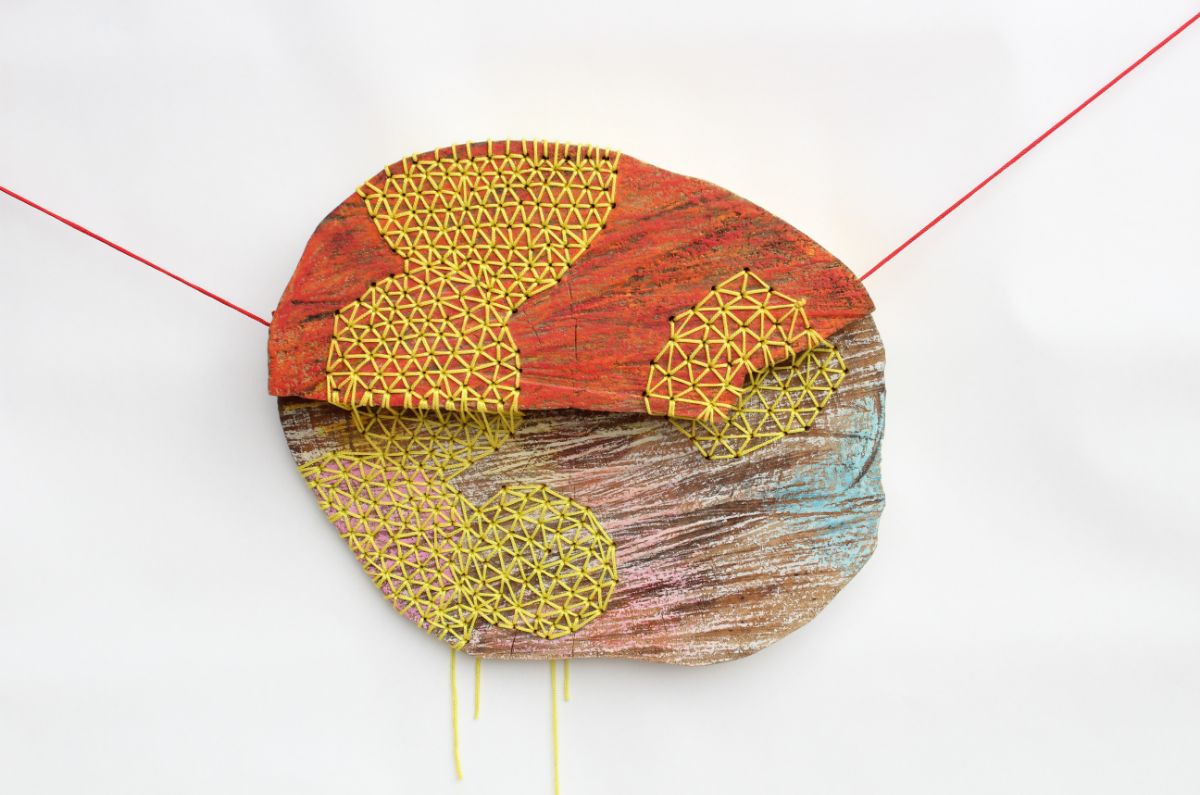
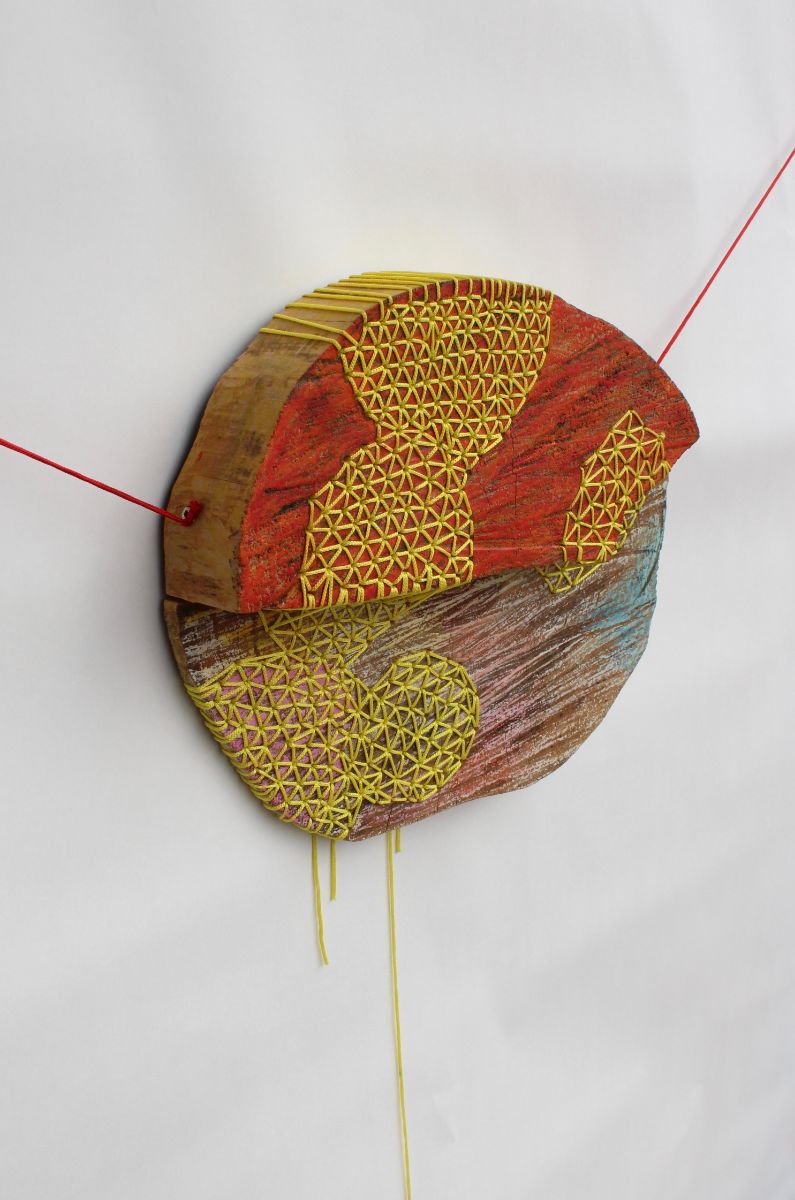
Moon
銀杏、紐、オイルパステル Ginkgo, string, oil pastels
25x50x4cm
2019
25x50x4cm
2019
Au fil du temps(オ・フィル・ドゥ・タン)/ ときを縫う
「時のつながりや時代を越えて受け継がれること」を木と紐を使って表現している。
Au fil du tempsはフランス語で時の流れ、時の重なり、時を越えるという意味の熟語である。Filは縫糸、縫う、Tempsは時間という単語が含まれている。
「時を超える」は、「時を縫う」なのだろうか?
木という素材は、時を経て成長した年輪がある。時の重なりと蓄積が見える。そこに穴を開ける。その穴は、一気に時代をワープして、時を越えていく。
木を縫う。開けた穴に紐を縫っていく。その越えていった時をもう一度思い起こす。
時をワープした幾つもの穴を、下から上へと縫っていく紐は、過去、現在を何度も行き来している。それは、私たちが、後悔して悲しんだり、想い出に浸ったり、過去に思いを馳せたりする日常に似ている。
刃物で穴を切っていく行為は男性的な面を持ち、針で縫う事は女性的である。その両面を持ち合わせ、できていく作品に人と人の関係性から生命が繋がっていく事をも感じる。
Au fil du tempsはフランス語で時の流れ、時の重なり、時を越えるという意味の熟語である。Filは縫糸、縫う、Tempsは時間という単語が含まれている。
「時を超える」は、「時を縫う」なのだろうか?
木という素材は、時を経て成長した年輪がある。時の重なりと蓄積が見える。そこに穴を開ける。その穴は、一気に時代をワープして、時を越えていく。
木を縫う。開けた穴に紐を縫っていく。その越えていった時をもう一度思い起こす。
時をワープした幾つもの穴を、下から上へと縫っていく紐は、過去、現在を何度も行き来している。それは、私たちが、後悔して悲しんだり、想い出に浸ったり、過去に思いを馳せたりする日常に似ている。
刃物で穴を切っていく行為は男性的な面を持ち、針で縫う事は女性的である。その両面を持ち合わせ、できていく作品に人と人の関係性から生命が繋がっていく事をも感じる。
Au fil du temps (Transcend time and space) / Sew time
I express “connections through time and things that are passed down generation by generation” using wood and string.
Au fil du temps is a French phrase that refers to the flow of time, the passage of time, and things that are timeless. It contains fil, which means thread or sow, and temps, which refers to time.
Why is being timelessness expressed as sewing time?
Wood contains growth rings that show its growth over the years. You can see the passage and build up of time. I open holes in them. The holes represent moving through time to warp into past ages.
I sew the wood. I pass thread through the holes, and look back at the time that I have traversed.
The thread binds the holes from the bottom up as they jump through a number of warps, to repeatedly traverse the past, present, and future. It is similar to how we spend our days looking back and regretting the past, or enjoying our memories.
The act of cutting the holes with a blade has a masculine aspect to it, and sewing with a needle has a feminine one. Both of these aspects helps one to feel the connection between lives that arises from the relationships between people.
Au fil du temps is a French phrase that refers to the flow of time, the passage of time, and things that are timeless. It contains fil, which means thread or sow, and temps, which refers to time.
Why is being timelessness expressed as sewing time?
Wood contains growth rings that show its growth over the years. You can see the passage and build up of time. I open holes in them. The holes represent moving through time to warp into past ages.
I sew the wood. I pass thread through the holes, and look back at the time that I have traversed.
The thread binds the holes from the bottom up as they jump through a number of warps, to repeatedly traverse the past, present, and future. It is similar to how we spend our days looking back and regretting the past, or enjoying our memories.
The act of cutting the holes with a blade has a masculine aspect to it, and sewing with a needle has a feminine one. Both of these aspects helps one to feel the connection between lives that arises from the relationships between people.
Coudre le temps au fil du temps
Fils et bois expriment dans cette série d’oeuvres la transition « au fils du temps ».
A travers ses veines le bois nous dévoile son temps.
L'aiguille perce le bois et le fils traverse ce temps d'hivers et de printemps.
Coudre le bois pour lier le passé au présent dans le va et vient de ma mémoire et se souvenir.
D'un geste masculin je tranche bois et d'une autre féminin je le coud afin de tisser dans cette consubstantialité le dessin de mes émotions qui s'entremêlement.
A travers ses veines le bois nous dévoile son temps.
L'aiguille perce le bois et le fils traverse ce temps d'hivers et de printemps.
Coudre le bois pour lier le passé au présent dans le va et vient de ma mémoire et se souvenir.
D'un geste masculin je tranche bois et d'une autre féminin je le coud afin de tisser dans cette consubstantialité le dessin de mes émotions qui s'entremêlement.
< close >
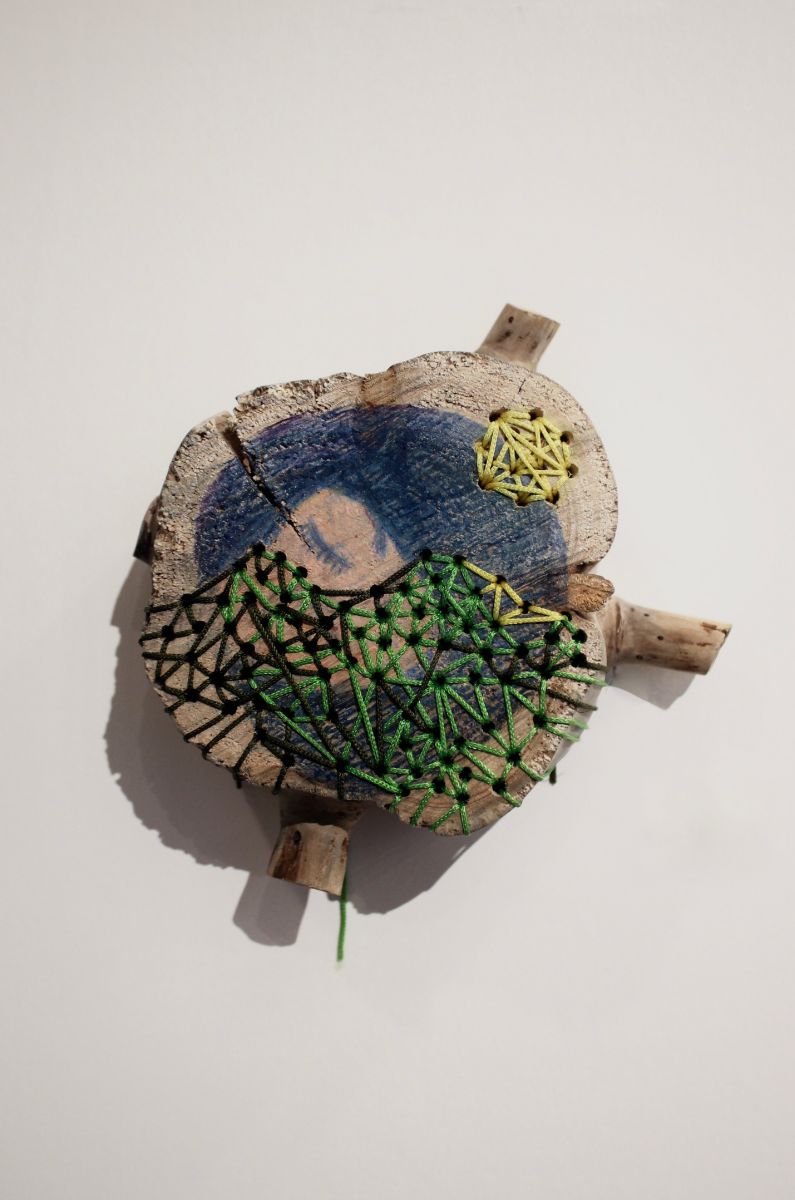
よる / Night
木、紐、ドローイング Wood, string, drawing
15x13x4.5cm
2019
15x13x4.5cm
2019
Au fil du temps(オ・フィル・ドゥ・タン)/ ときを縫う
「時のつながりや時代を越えて受け継がれること」を木と紐を使って表現している。
Au fil du tempsはフランス語で時の流れ、時の重なり、時を越えるという意味の熟語である。Filは縫糸、縫う、Tempsは時間という単語が含まれている。
「時を超える」は、「時を縫う」なのだろうか?
木という素材は、時を経て成長した年輪がある。時の重なりと蓄積が見える。そこに穴を開ける。その穴は、一気に時代をワープして、時を越えていく。
木を縫う。開けた穴に紐を縫っていく。その越えていった時をもう一度思い起こす。
時をワープした幾つもの穴を、下から上へと縫っていく紐は、過去、現在を何度も行き来している。それは、私たちが、後悔して悲しんだり、想い出に浸ったり、過去に思いを馳せたりする日常に似ている。
刃物で穴を切っていく行為は男性的な面を持ち、針で縫う事は女性的である。その両面を持ち合わせ、できていく作品に人と人の関係性から生命が繋がっていく事をも感じる。
Au fil du tempsはフランス語で時の流れ、時の重なり、時を越えるという意味の熟語である。Filは縫糸、縫う、Tempsは時間という単語が含まれている。
「時を超える」は、「時を縫う」なのだろうか?
木という素材は、時を経て成長した年輪がある。時の重なりと蓄積が見える。そこに穴を開ける。その穴は、一気に時代をワープして、時を越えていく。
木を縫う。開けた穴に紐を縫っていく。その越えていった時をもう一度思い起こす。
時をワープした幾つもの穴を、下から上へと縫っていく紐は、過去、現在を何度も行き来している。それは、私たちが、後悔して悲しんだり、想い出に浸ったり、過去に思いを馳せたりする日常に似ている。
刃物で穴を切っていく行為は男性的な面を持ち、針で縫う事は女性的である。その両面を持ち合わせ、できていく作品に人と人の関係性から生命が繋がっていく事をも感じる。
Au fil du temps (Transcend time and space) / Sew time
I express “connections through time and things that are passed down generation by generation” using wood and string.
Au fil du temps is a French phrase that refers to the flow of time, the passage of time, and things that are timeless. It contains fil, which means thread or sow, and temps, which refers to time.
Why is being timelessness expressed as sewing time?
Wood contains growth rings that show its growth over the years. You can see the passage and build up of time. I open holes in them. The holes represent moving through time to warp into past ages.
I sew the wood. I pass thread through the holes, and look back at the time that I have traversed.
The thread binds the holes from the bottom up as they jump through a number of warps, to repeatedly traverse the past, present, and future. It is similar to how we spend our days looking back and regretting the past, or enjoying our memories.
The act of cutting the holes with a blade has a masculine aspect to it, and sewing with a needle has a feminine one. Both of these aspects helps one to feel the connection between lives that arises from the relationships between people.
Au fil du temps is a French phrase that refers to the flow of time, the passage of time, and things that are timeless. It contains fil, which means thread or sow, and temps, which refers to time.
Why is being timelessness expressed as sewing time?
Wood contains growth rings that show its growth over the years. You can see the passage and build up of time. I open holes in them. The holes represent moving through time to warp into past ages.
I sew the wood. I pass thread through the holes, and look back at the time that I have traversed.
The thread binds the holes from the bottom up as they jump through a number of warps, to repeatedly traverse the past, present, and future. It is similar to how we spend our days looking back and regretting the past, or enjoying our memories.
The act of cutting the holes with a blade has a masculine aspect to it, and sewing with a needle has a feminine one. Both of these aspects helps one to feel the connection between lives that arises from the relationships between people.
Coudre le temps au fil du temps
Fils et bois expriment dans cette série d’oeuvres la transition « au fils du temps ».
A travers ses veines le bois nous dévoile son temps.
L'aiguille perce le bois et le fils traverse ce temps d'hivers et de printemps.
Coudre le bois pour lier le passé au présent dans le va et vient de ma mémoire et se souvenir.
D'un geste masculin je tranche bois et d'une autre féminin je le coud afin de tisser dans cette consubstantialité le dessin de mes émotions qui s'entremêlement.
A travers ses veines le bois nous dévoile son temps.
L'aiguille perce le bois et le fils traverse ce temps d'hivers et de printemps.
Coudre le bois pour lier le passé au présent dans le va et vient de ma mémoire et se souvenir.
D'un geste masculin je tranche bois et d'une autre féminin je le coud afin de tisser dans cette consubstantialité le dessin de mes émotions qui s'entremêlement.
< close >

そら / Sky
木、紐、ドローイング Wood, string, drawing
19x10x4cm
2019
19x10x4cm
2019
Au fil du temps(オ・フィル・ドゥ・タン)/ ときを縫う
「時のつながりや時代を越えて受け継がれること」を木と紐を使って表現している。
Au fil du tempsはフランス語で時の流れ、時の重なり、時を越えるという意味の熟語である。Filは縫糸、縫う、Tempsは時間という単語が含まれている。
「時を超える」は、「時を縫う」なのだろうか?
木という素材は、時を経て成長した年輪がある。時の重なりと蓄積が見える。そこに穴を開ける。その穴は、一気に時代をワープして、時を越えていく。
木を縫う。開けた穴に紐を縫っていく。その越えていった時をもう一度思い起こす。
時をワープした幾つもの穴を、下から上へと縫っていく紐は、過去、現在を何度も行き来している。それは、私たちが、後悔して悲しんだり、想い出に浸ったり、過去に思いを馳せたりする日常に似ている。
刃物で穴を切っていく行為は男性的な面を持ち、針で縫う事は女性的である。その両面を持ち合わせ、できていく作品に人と人の関係性から生命が繋がっていく事をも感じる。
Au fil du tempsはフランス語で時の流れ、時の重なり、時を越えるという意味の熟語である。Filは縫糸、縫う、Tempsは時間という単語が含まれている。
「時を超える」は、「時を縫う」なのだろうか?
木という素材は、時を経て成長した年輪がある。時の重なりと蓄積が見える。そこに穴を開ける。その穴は、一気に時代をワープして、時を越えていく。
木を縫う。開けた穴に紐を縫っていく。その越えていった時をもう一度思い起こす。
時をワープした幾つもの穴を、下から上へと縫っていく紐は、過去、現在を何度も行き来している。それは、私たちが、後悔して悲しんだり、想い出に浸ったり、過去に思いを馳せたりする日常に似ている。
刃物で穴を切っていく行為は男性的な面を持ち、針で縫う事は女性的である。その両面を持ち合わせ、できていく作品に人と人の関係性から生命が繋がっていく事をも感じる。
Au fil du temps (Transcend time and space) / Sew time
I express “connections through time and things that are passed down generation by generation” using wood and string.
Au fil du temps is a French phrase that refers to the flow of time, the passage of time, and things that are timeless. It contains fil, which means thread or sow, and temps, which refers to time.
Why is being timelessness expressed as sewing time?
Wood contains growth rings that show its growth over the years. You can see the passage and build up of time. I open holes in them. The holes represent moving through time to warp into past ages.
I sew the wood. I pass thread through the holes, and look back at the time that I have traversed.
The thread binds the holes from the bottom up as they jump through a number of warps, to repeatedly traverse the past, present, and future. It is similar to how we spend our days looking back and regretting the past, or enjoying our memories.
The act of cutting the holes with a blade has a masculine aspect to it, and sewing with a needle has a feminine one. Both of these aspects helps one to feel the connection between lives that arises from the relationships between people.
Au fil du temps is a French phrase that refers to the flow of time, the passage of time, and things that are timeless. It contains fil, which means thread or sow, and temps, which refers to time.
Why is being timelessness expressed as sewing time?
Wood contains growth rings that show its growth over the years. You can see the passage and build up of time. I open holes in them. The holes represent moving through time to warp into past ages.
I sew the wood. I pass thread through the holes, and look back at the time that I have traversed.
The thread binds the holes from the bottom up as they jump through a number of warps, to repeatedly traverse the past, present, and future. It is similar to how we spend our days looking back and regretting the past, or enjoying our memories.
The act of cutting the holes with a blade has a masculine aspect to it, and sewing with a needle has a feminine one. Both of these aspects helps one to feel the connection between lives that arises from the relationships between people.
Coudre le temps au fil du temps
Fils et bois expriment dans cette série d’oeuvres la transition « au fils du temps ».
A travers ses veines le bois nous dévoile son temps.
L'aiguille perce le bois et le fils traverse ce temps d'hivers et de printemps.
Coudre le bois pour lier le passé au présent dans le va et vient de ma mémoire et se souvenir.
D'un geste masculin je tranche bois et d'une autre féminin je le coud afin de tisser dans cette consubstantialité le dessin de mes émotions qui s'entremêlement.
A travers ses veines le bois nous dévoile son temps.
L'aiguille perce le bois et le fils traverse ce temps d'hivers et de printemps.
Coudre le bois pour lier le passé au présent dans le va et vient de ma mémoire et se souvenir.
D'un geste masculin je tranche bois et d'une autre féminin je le coud afin de tisser dans cette consubstantialité le dessin de mes émotions qui s'entremêlement.
< close >


渡る / Cross
檜、枝、紐、オイルパステル Japanese cypress, branch, string, oil pastel
11x7x16cm
2019
陸と陸を繋ぐ為に掛けられた橋。本来は、無かったものだが、それを渡ることによって時空をワープする。
11x7x16cm
2019
陸と陸を繋ぐ為に掛けられた橋。本来は、無かったものだが、それを渡ることによって時空をワープする。
Au fil du temps(オ・フィル・ドゥ・タン)/ ときを縫う
「時のつながりや時代を越えて受け継がれること」を木と紐を使って表現している。
Au fil du tempsはフランス語で時の流れ、時の重なり、時を越えるという意味の熟語である。Filは縫糸、縫う、Tempsは時間という単語が含まれている。
「時を超える」は、「時を縫う」なのだろうか?
木という素材は、時を経て成長した年輪がある。時の重なりと蓄積が見える。そこに穴を開ける。その穴は、一気に時代をワープして、時を越えていく。
木を縫う。開けた穴に紐を縫っていく。その越えていった時をもう一度思い起こす。
時をワープした幾つもの穴を、下から上へと縫っていく紐は、過去、現在を何度も行き来している。それは、私たちが、後悔して悲しんだり、想い出に浸ったり、過去に思いを馳せたりする日常に似ている。
刃物で穴を切っていく行為は男性的な面を持ち、針で縫う事は女性的である。その両面を持ち合わせ、できていく作品に人と人の関係性から生命が繋がっていく事をも感じる。
Au fil du tempsはフランス語で時の流れ、時の重なり、時を越えるという意味の熟語である。Filは縫糸、縫う、Tempsは時間という単語が含まれている。
「時を超える」は、「時を縫う」なのだろうか?
木という素材は、時を経て成長した年輪がある。時の重なりと蓄積が見える。そこに穴を開ける。その穴は、一気に時代をワープして、時を越えていく。
木を縫う。開けた穴に紐を縫っていく。その越えていった時をもう一度思い起こす。
時をワープした幾つもの穴を、下から上へと縫っていく紐は、過去、現在を何度も行き来している。それは、私たちが、後悔して悲しんだり、想い出に浸ったり、過去に思いを馳せたりする日常に似ている。
刃物で穴を切っていく行為は男性的な面を持ち、針で縫う事は女性的である。その両面を持ち合わせ、できていく作品に人と人の関係性から生命が繋がっていく事をも感じる。
Au fil du temps (Transcend time and space) / Sew time
I express “connections through time and things that are passed down generation by generation” using wood and string.
Au fil du temps is a French phrase that refers to the flow of time, the passage of time, and things that are timeless. It contains fil, which means thread or sow, and temps, which refers to time.
Why is being timelessness expressed as sewing time?
Wood contains growth rings that show its growth over the years. You can see the passage and build up of time. I open holes in them. The holes represent moving through time to warp into past ages.
I sew the wood. I pass thread through the holes, and look back at the time that I have traversed.
The thread binds the holes from the bottom up as they jump through a number of warps, to repeatedly traverse the past, present, and future. It is similar to how we spend our days looking back and regretting the past, or enjoying our memories.
The act of cutting the holes with a blade has a masculine aspect to it, and sewing with a needle has a feminine one. Both of these aspects helps one to feel the connection between lives that arises from the relationships between people.
Au fil du temps is a French phrase that refers to the flow of time, the passage of time, and things that are timeless. It contains fil, which means thread or sow, and temps, which refers to time.
Why is being timelessness expressed as sewing time?
Wood contains growth rings that show its growth over the years. You can see the passage and build up of time. I open holes in them. The holes represent moving through time to warp into past ages.
I sew the wood. I pass thread through the holes, and look back at the time that I have traversed.
The thread binds the holes from the bottom up as they jump through a number of warps, to repeatedly traverse the past, present, and future. It is similar to how we spend our days looking back and regretting the past, or enjoying our memories.
The act of cutting the holes with a blade has a masculine aspect to it, and sewing with a needle has a feminine one. Both of these aspects helps one to feel the connection between lives that arises from the relationships between people.
Coudre le temps au fil du temps
Fils et bois expriment dans cette série d’oeuvres la transition « au fils du temps ».
A travers ses veines le bois nous dévoile son temps.
L'aiguille perce le bois et le fils traverse ce temps d'hivers et de printemps.
Coudre le bois pour lier le passé au présent dans le va et vient de ma mémoire et se souvenir.
D'un geste masculin je tranche bois et d'une autre féminin je le coud afin de tisser dans cette consubstantialité le dessin de mes émotions qui s'entremêlement.
A travers ses veines le bois nous dévoile son temps.
L'aiguille perce le bois et le fils traverse ce temps d'hivers et de printemps.
Coudre le bois pour lier le passé au présent dans le va et vient de ma mémoire et se souvenir.
D'un geste masculin je tranche bois et d'une autre féminin je le coud afin de tisser dans cette consubstantialité le dessin de mes émotions qui s'entremêlement.
< close >


Lune / Moon
柿、紐、着彩 Oak tree, string, Coloring
18x20x10cm(サイズ可変)
2019
TAGBOAT AWARD 2020
18x20x10cm(サイズ可変)
2019
TAGBOAT AWARD 2020
Au fil du temps(オ・フィル・ドゥ・タン)/ ときを縫う
「時のつながりや時代を越えて受け継がれること」を木と紐を使って表現している。
Au fil du tempsはフランス語で時の流れ、時の重なり、時を越えるという意味の熟語である。Filは縫糸、縫う、Tempsは時間という単語が含まれている。
「時を超える」は、「時を縫う」なのだろうか?
木という素材は、時を経て成長した年輪がある。時の重なりと蓄積が見える。そこに穴を開ける。その穴は、一気に時代をワープして、時を越えていく。
木を縫う。開けた穴に紐を縫っていく。その越えていった時をもう一度思い起こす。
時をワープした幾つもの穴を、下から上へと縫っていく紐は、過去、現在を何度も行き来している。それは、私たちが、後悔して悲しんだり、想い出に浸ったり、過去に思いを馳せたりする日常に似ている。
刃物で穴を切っていく行為は男性的な面を持ち、針で縫う事は女性的である。その両面を持ち合わせ、できていく作品に人と人の関係性から生命が繋がっていく事をも感じる。
Au fil du tempsはフランス語で時の流れ、時の重なり、時を越えるという意味の熟語である。Filは縫糸、縫う、Tempsは時間という単語が含まれている。
「時を超える」は、「時を縫う」なのだろうか?
木という素材は、時を経て成長した年輪がある。時の重なりと蓄積が見える。そこに穴を開ける。その穴は、一気に時代をワープして、時を越えていく。
木を縫う。開けた穴に紐を縫っていく。その越えていった時をもう一度思い起こす。
時をワープした幾つもの穴を、下から上へと縫っていく紐は、過去、現在を何度も行き来している。それは、私たちが、後悔して悲しんだり、想い出に浸ったり、過去に思いを馳せたりする日常に似ている。
刃物で穴を切っていく行為は男性的な面を持ち、針で縫う事は女性的である。その両面を持ち合わせ、できていく作品に人と人の関係性から生命が繋がっていく事をも感じる。
Au fil du temps (Transcend time and space) / Sew time
I express “connections through time and things that are passed down generation by generation” using wood and string.
Au fil du temps is a French phrase that refers to the flow of time, the passage of time, and things that are timeless. It contains fil, which means thread or sow, and temps, which refers to time.
Why is being timelessness expressed as sewing time?
Wood contains growth rings that show its growth over the years. You can see the passage and build up of time. I open holes in them. The holes represent moving through time to warp into past ages.
I sew the wood. I pass thread through the holes, and look back at the time that I have traversed.
The thread binds the holes from the bottom up as they jump through a number of warps, to repeatedly traverse the past, present, and future. It is similar to how we spend our days looking back and regretting the past, or enjoying our memories.
The act of cutting the holes with a blade has a masculine aspect to it, and sewing with a needle has a feminine one. Both of these aspects helps one to feel the connection between lives that arises from the relationships between people.
Au fil du temps is a French phrase that refers to the flow of time, the passage of time, and things that are timeless. It contains fil, which means thread or sow, and temps, which refers to time.
Why is being timelessness expressed as sewing time?
Wood contains growth rings that show its growth over the years. You can see the passage and build up of time. I open holes in them. The holes represent moving through time to warp into past ages.
I sew the wood. I pass thread through the holes, and look back at the time that I have traversed.
The thread binds the holes from the bottom up as they jump through a number of warps, to repeatedly traverse the past, present, and future. It is similar to how we spend our days looking back and regretting the past, or enjoying our memories.
The act of cutting the holes with a blade has a masculine aspect to it, and sewing with a needle has a feminine one. Both of these aspects helps one to feel the connection between lives that arises from the relationships between people.
Coudre le temps au fil du temps
Fils et bois expriment dans cette série d’oeuvres la transition « au fils du temps ».
A travers ses veines le bois nous dévoile son temps.
L'aiguille perce le bois et le fils traverse ce temps d'hivers et de printemps.
Coudre le bois pour lier le passé au présent dans le va et vient de ma mémoire et se souvenir.
D'un geste masculin je tranche bois et d'une autre féminin je le coud afin de tisser dans cette consubstantialité le dessin de mes émotions qui s'entremêlement.
A travers ses veines le bois nous dévoile son temps.
L'aiguille perce le bois et le fils traverse ce temps d'hivers et de printemps.
Coudre le bois pour lier le passé au présent dans le va et vient de ma mémoire et se souvenir.
D'un geste masculin je tranche bois et d'une autre féminin je le coud afin de tisser dans cette consubstantialité le dessin de mes émotions qui s'entremêlement.
< close >

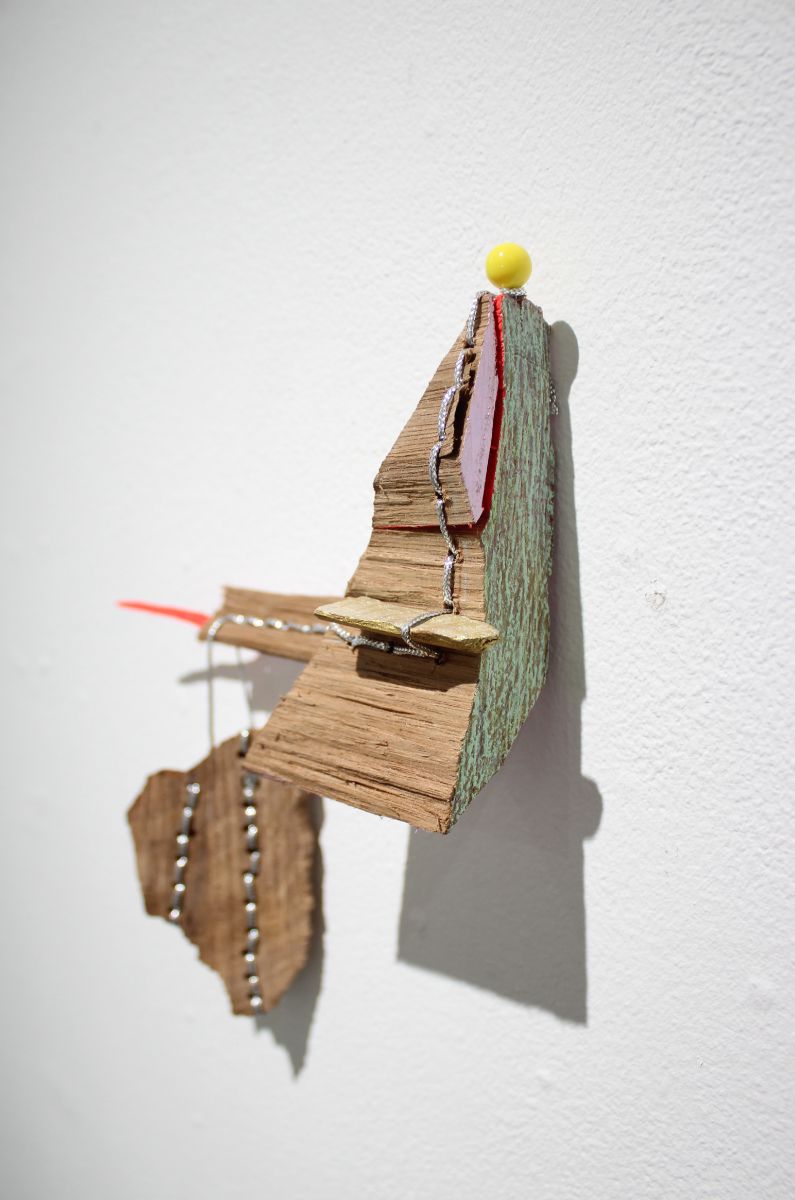
An instrument / 未来を知る道具
桜、紐、着彩 Cherry, string, coloring
170x40x210mm
2019
行くべき方向と辿り着く時間を提示してくれる計測器。
170x40x210mm
2019
行くべき方向と辿り着く時間を提示してくれる計測器。
Au fil du temps(オ・フィル・ドゥ・タン)/ ときを縫う
「時のつながりや時代を越えて受け継がれること」を木と紐を使って表現している。
Au fil du tempsはフランス語で時の流れ、時の重なり、時を越えるという意味の熟語である。Filは縫糸、縫う、Tempsは時間という単語が含まれている。
「時を超える」は、「時を縫う」なのだろうか?
木という素材は、時を経て成長した年輪がある。時の重なりと蓄積が見える。そこに穴を開ける。その穴は、一気に時代をワープして、時を越えていく。
木を縫う。開けた穴に紐を縫っていく。その越えていった時をもう一度思い起こす。
時をワープした幾つもの穴を、下から上へと縫っていく紐は、過去、現在を何度も行き来している。それは、私たちが、後悔して悲しんだり、想い出に浸ったり、過去に思いを馳せたりする日常に似ている。
刃物で穴を切っていく行為は男性的な面を持ち、針で縫う事は女性的である。その両面を持ち合わせ、できていく作品に人と人の関係性から生命が繋がっていく事をも感じる。
Au fil du tempsはフランス語で時の流れ、時の重なり、時を越えるという意味の熟語である。Filは縫糸、縫う、Tempsは時間という単語が含まれている。
「時を超える」は、「時を縫う」なのだろうか?
木という素材は、時を経て成長した年輪がある。時の重なりと蓄積が見える。そこに穴を開ける。その穴は、一気に時代をワープして、時を越えていく。
木を縫う。開けた穴に紐を縫っていく。その越えていった時をもう一度思い起こす。
時をワープした幾つもの穴を、下から上へと縫っていく紐は、過去、現在を何度も行き来している。それは、私たちが、後悔して悲しんだり、想い出に浸ったり、過去に思いを馳せたりする日常に似ている。
刃物で穴を切っていく行為は男性的な面を持ち、針で縫う事は女性的である。その両面を持ち合わせ、できていく作品に人と人の関係性から生命が繋がっていく事をも感じる。
Au fil du temps (Transcend time and space) / Sew time
I express “connections through time and things that are passed down generation by generation” using wood and string.
Au fil du temps is a French phrase that refers to the flow of time, the passage of time, and things that are timeless. It contains fil, which means thread or sow, and temps, which refers to time.
Why is being timelessness expressed as sewing time?
Wood contains growth rings that show its growth over the years. You can see the passage and build up of time. I open holes in them. The holes represent moving through time to warp into past ages.
I sew the wood. I pass thread through the holes, and look back at the time that I have traversed.
The thread binds the holes from the bottom up as they jump through a number of warps, to repeatedly traverse the past, present, and future. It is similar to how we spend our days looking back and regretting the past, or enjoying our memories.
The act of cutting the holes with a blade has a masculine aspect to it, and sewing with a needle has a feminine one. Both of these aspects helps one to feel the connection between lives that arises from the relationships between people.
Au fil du temps is a French phrase that refers to the flow of time, the passage of time, and things that are timeless. It contains fil, which means thread or sow, and temps, which refers to time.
Why is being timelessness expressed as sewing time?
Wood contains growth rings that show its growth over the years. You can see the passage and build up of time. I open holes in them. The holes represent moving through time to warp into past ages.
I sew the wood. I pass thread through the holes, and look back at the time that I have traversed.
The thread binds the holes from the bottom up as they jump through a number of warps, to repeatedly traverse the past, present, and future. It is similar to how we spend our days looking back and regretting the past, or enjoying our memories.
The act of cutting the holes with a blade has a masculine aspect to it, and sewing with a needle has a feminine one. Both of these aspects helps one to feel the connection between lives that arises from the relationships between people.
Coudre le temps au fil du temps
Fils et bois expriment dans cette série d’oeuvres la transition « au fils du temps ».
A travers ses veines le bois nous dévoile son temps.
L'aiguille perce le bois et le fils traverse ce temps d'hivers et de printemps.
Coudre le bois pour lier le passé au présent dans le va et vient de ma mémoire et se souvenir.
D'un geste masculin je tranche bois et d'une autre féminin je le coud afin de tisser dans cette consubstantialité le dessin de mes émotions qui s'entremêlement.
A travers ses veines le bois nous dévoile son temps.
L'aiguille perce le bois et le fils traverse ce temps d'hivers et de printemps.
Coudre le bois pour lier le passé au présent dans le va et vient de ma mémoire et se souvenir.
D'un geste masculin je tranche bois et d'une autre féminin je le coud afin de tisser dans cette consubstantialité le dessin de mes émotions qui s'entremêlement.
< close >
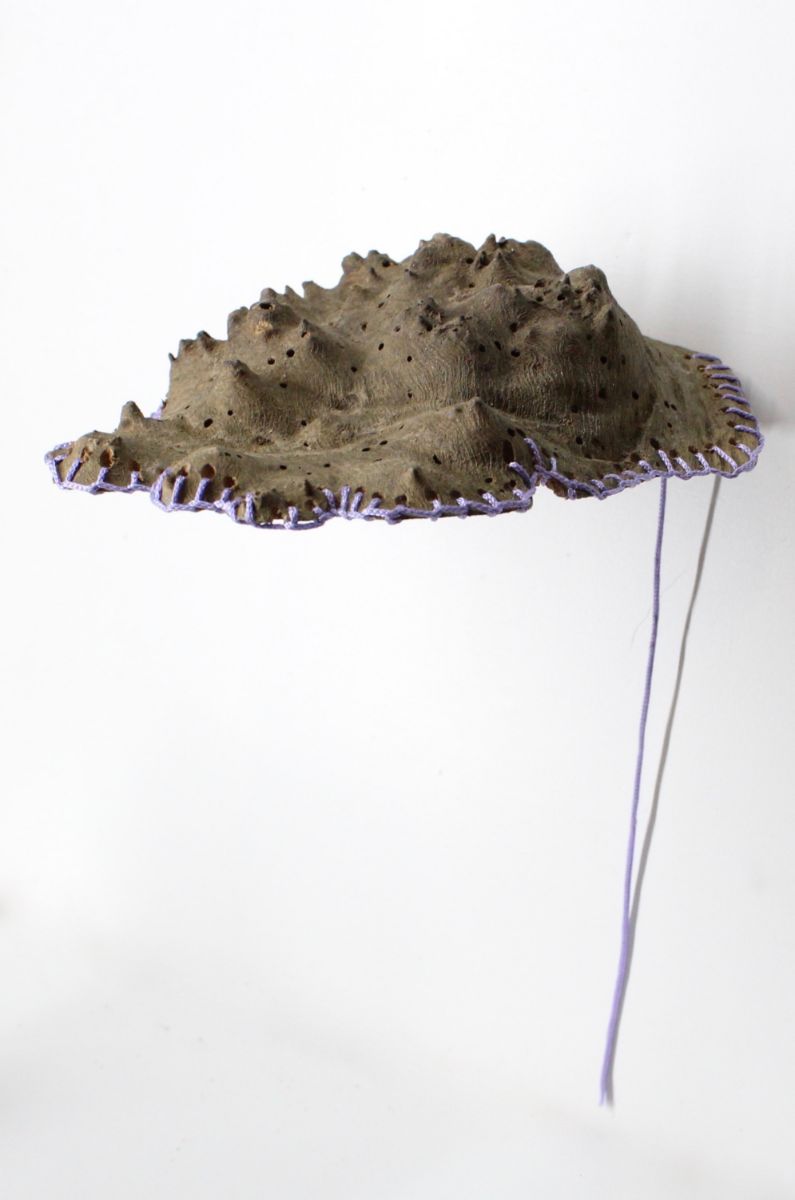


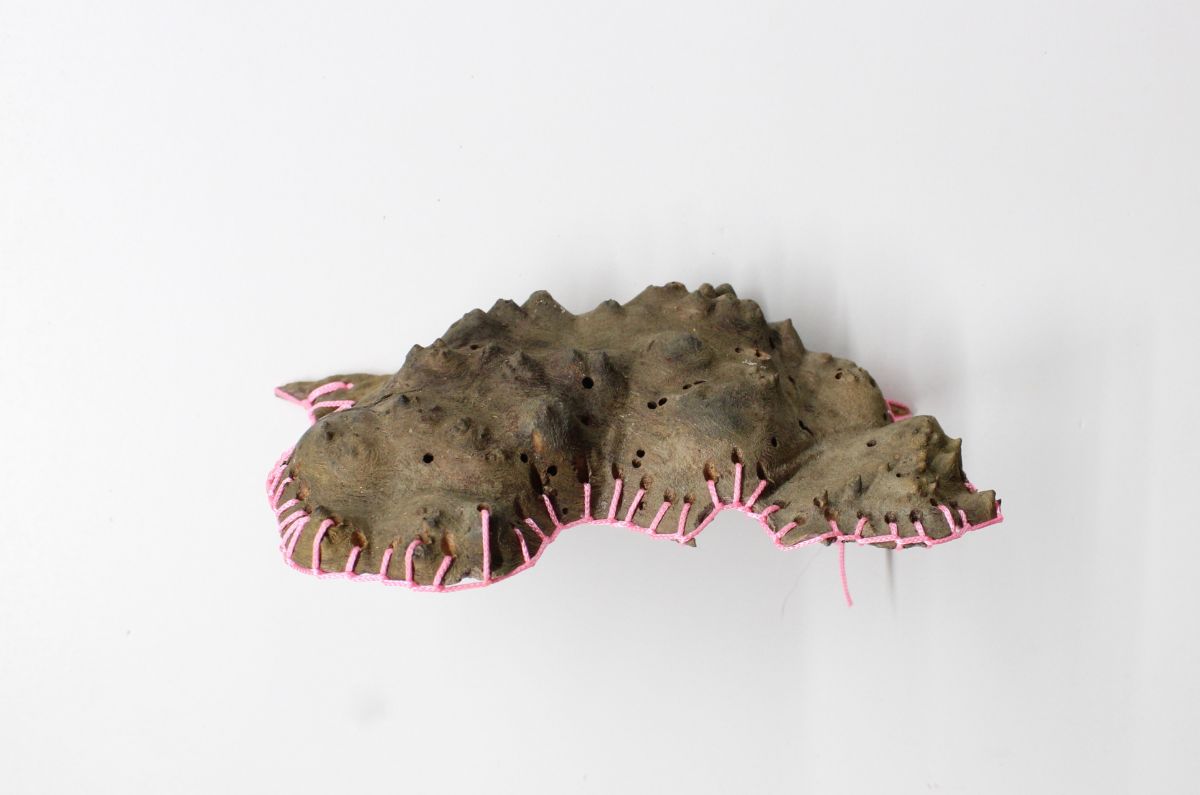
Landscape
木、紐、マグネット Wood, string, magnet
4(15)x13x12cm *( ) 紐を含む / Size including string
木、紐、マグネット Wood, string, magnet
4(7)x13x8cm *( ) 紐を含む / Size including string
2019
伊豆大島で見つけた島の様な木端をステッチする。
4(15)x13x12cm *( ) 紐を含む / Size including string
木、紐、マグネット Wood, string, magnet
4(7)x13x8cm *( ) 紐を含む / Size including string
2019
伊豆大島で見つけた島の様な木端をステッチする。
Au fil du temps(オ・フィル・ドゥ・タン)/ ときを縫う
「時のつながりや時代を越えて受け継がれること」を木と紐を使って表現している。
Au fil du tempsはフランス語で時の流れ、時の重なり、時を越えるという意味の熟語である。Filは縫糸、縫う、Tempsは時間という単語が含まれている。
「時を超える」は、「時を縫う」なのだろうか?
木という素材は、時を経て成長した年輪がある。時の重なりと蓄積が見える。そこに穴を開ける。その穴は、一気に時代をワープして、時を越えていく。
木を縫う。開けた穴に紐を縫っていく。その越えていった時をもう一度思い起こす。
時をワープした幾つもの穴を、下から上へと縫っていく紐は、過去、現在を何度も行き来している。それは、私たちが、後悔して悲しんだり、想い出に浸ったり、過去に思いを馳せたりする日常に似ている。
刃物で穴を切っていく行為は男性的な面を持ち、針で縫う事は女性的である。その両面を持ち合わせ、できていく作品に人と人の関係性から生命が繋がっていく事をも感じる。
Au fil du tempsはフランス語で時の流れ、時の重なり、時を越えるという意味の熟語である。Filは縫糸、縫う、Tempsは時間という単語が含まれている。
「時を超える」は、「時を縫う」なのだろうか?
木という素材は、時を経て成長した年輪がある。時の重なりと蓄積が見える。そこに穴を開ける。その穴は、一気に時代をワープして、時を越えていく。
木を縫う。開けた穴に紐を縫っていく。その越えていった時をもう一度思い起こす。
時をワープした幾つもの穴を、下から上へと縫っていく紐は、過去、現在を何度も行き来している。それは、私たちが、後悔して悲しんだり、想い出に浸ったり、過去に思いを馳せたりする日常に似ている。
刃物で穴を切っていく行為は男性的な面を持ち、針で縫う事は女性的である。その両面を持ち合わせ、できていく作品に人と人の関係性から生命が繋がっていく事をも感じる。
Au fil du temps (Transcend time and space) / Sew time
I express “connections through time and things that are passed down generation by generation” using wood and string.
Au fil du temps is a French phrase that refers to the flow of time, the passage of time, and things that are timeless. It contains fil, which means thread or sow, and temps, which refers to time.
Why is being timelessness expressed as sewing time?
Wood contains growth rings that show its growth over the years. You can see the passage and build up of time. I open holes in them. The holes represent moving through time to warp into past ages.
I sew the wood. I pass thread through the holes, and look back at the time that I have traversed.
The thread binds the holes from the bottom up as they jump through a number of warps, to repeatedly traverse the past, present, and future. It is similar to how we spend our days looking back and regretting the past, or enjoying our memories.
The act of cutting the holes with a blade has a masculine aspect to it, and sewing with a needle has a feminine one. Both of these aspects helps one to feel the connection between lives that arises from the relationships between people.
Au fil du temps is a French phrase that refers to the flow of time, the passage of time, and things that are timeless. It contains fil, which means thread or sow, and temps, which refers to time.
Why is being timelessness expressed as sewing time?
Wood contains growth rings that show its growth over the years. You can see the passage and build up of time. I open holes in them. The holes represent moving through time to warp into past ages.
I sew the wood. I pass thread through the holes, and look back at the time that I have traversed.
The thread binds the holes from the bottom up as they jump through a number of warps, to repeatedly traverse the past, present, and future. It is similar to how we spend our days looking back and regretting the past, or enjoying our memories.
The act of cutting the holes with a blade has a masculine aspect to it, and sewing with a needle has a feminine one. Both of these aspects helps one to feel the connection between lives that arises from the relationships between people.
Coudre le temps au fil du temps
Fils et bois expriment dans cette série d’oeuvres la transition « au fils du temps ».
A travers ses veines le bois nous dévoile son temps.
L'aiguille perce le bois et le fils traverse ce temps d'hivers et de printemps.
Coudre le bois pour lier le passé au présent dans le va et vient de ma mémoire et se souvenir.
D'un geste masculin je tranche bois et d'une autre féminin je le coud afin de tisser dans cette consubstantialité le dessin de mes émotions qui s'entremêlement.
A travers ses veines le bois nous dévoile son temps.
L'aiguille perce le bois et le fils traverse ce temps d'hivers et de printemps.
Coudre le bois pour lier le passé au présent dans le va et vient de ma mémoire et se souvenir.
D'un geste masculin je tranche bois et d'une autre féminin je le coud afin de tisser dans cette consubstantialité le dessin de mes émotions qui s'entremêlement.
< close >
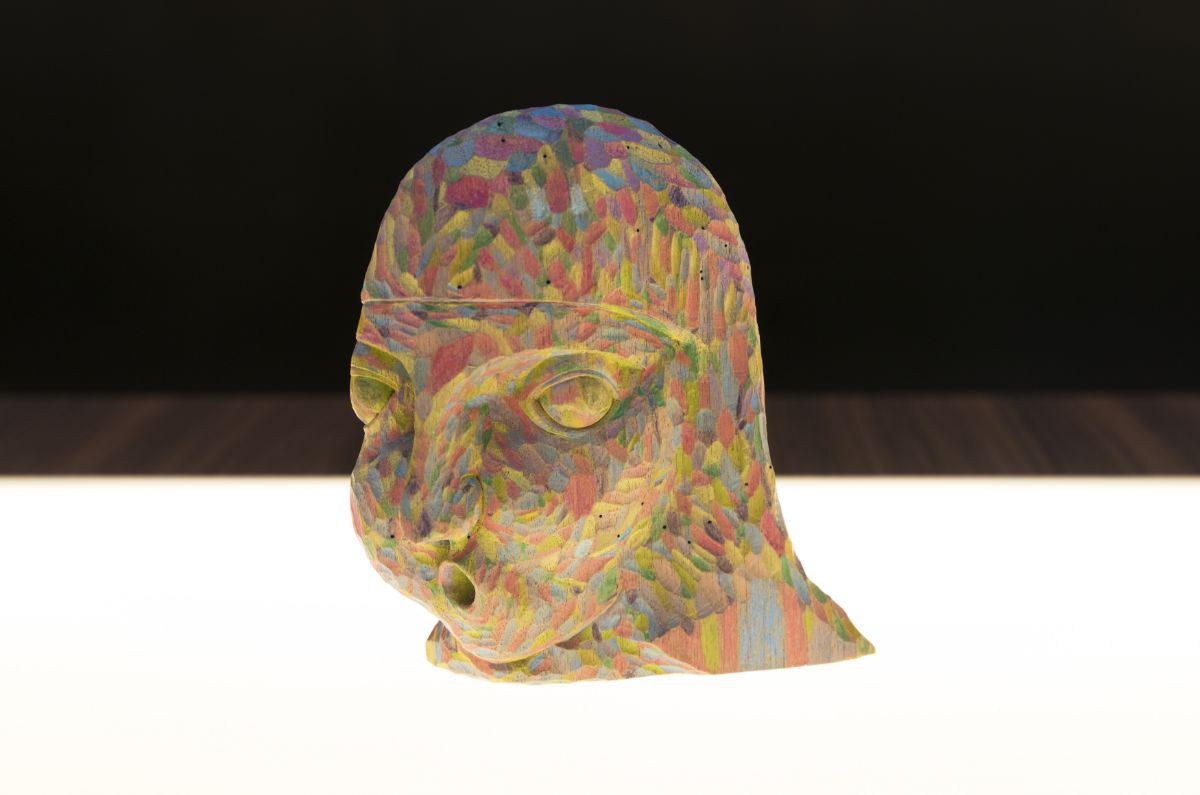
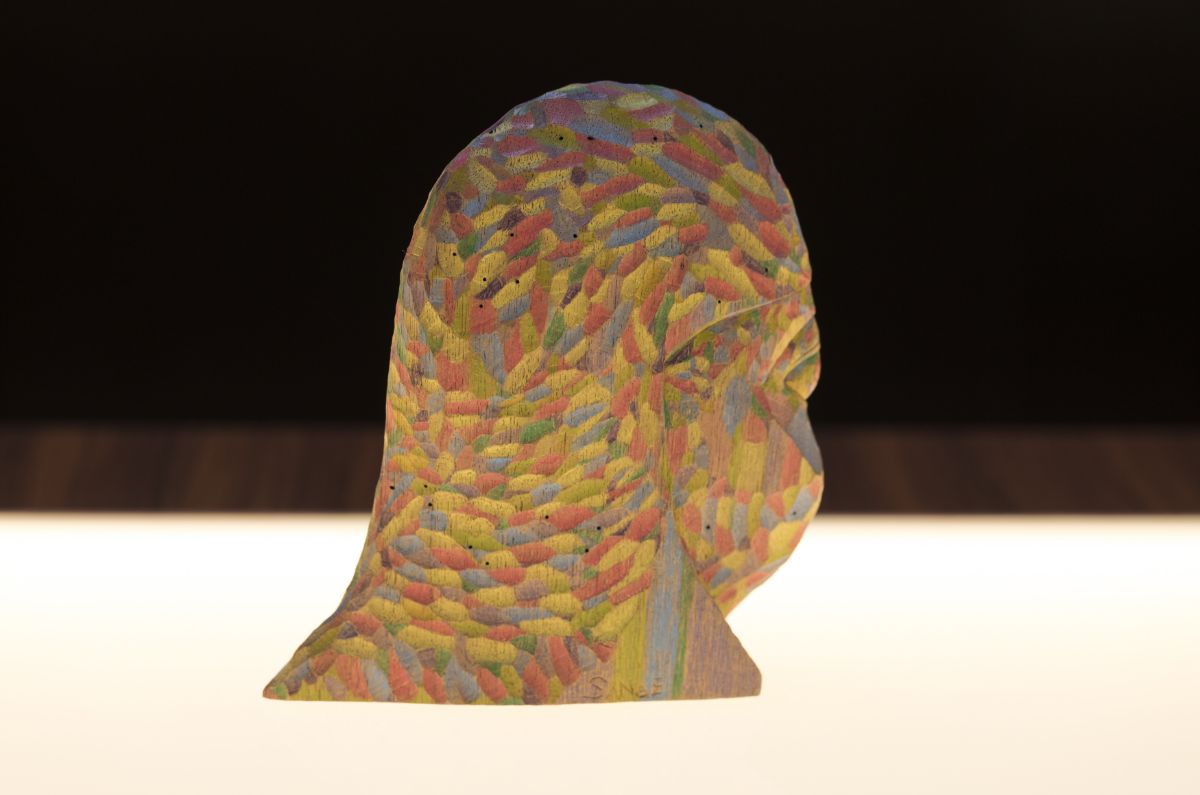

時空を超える / Au fil du temps / Transcend time and space
桜、オイルパステル Cherry, oil pastel
17x 15x7cm
2020
17x 15x7cm
2020
< close >

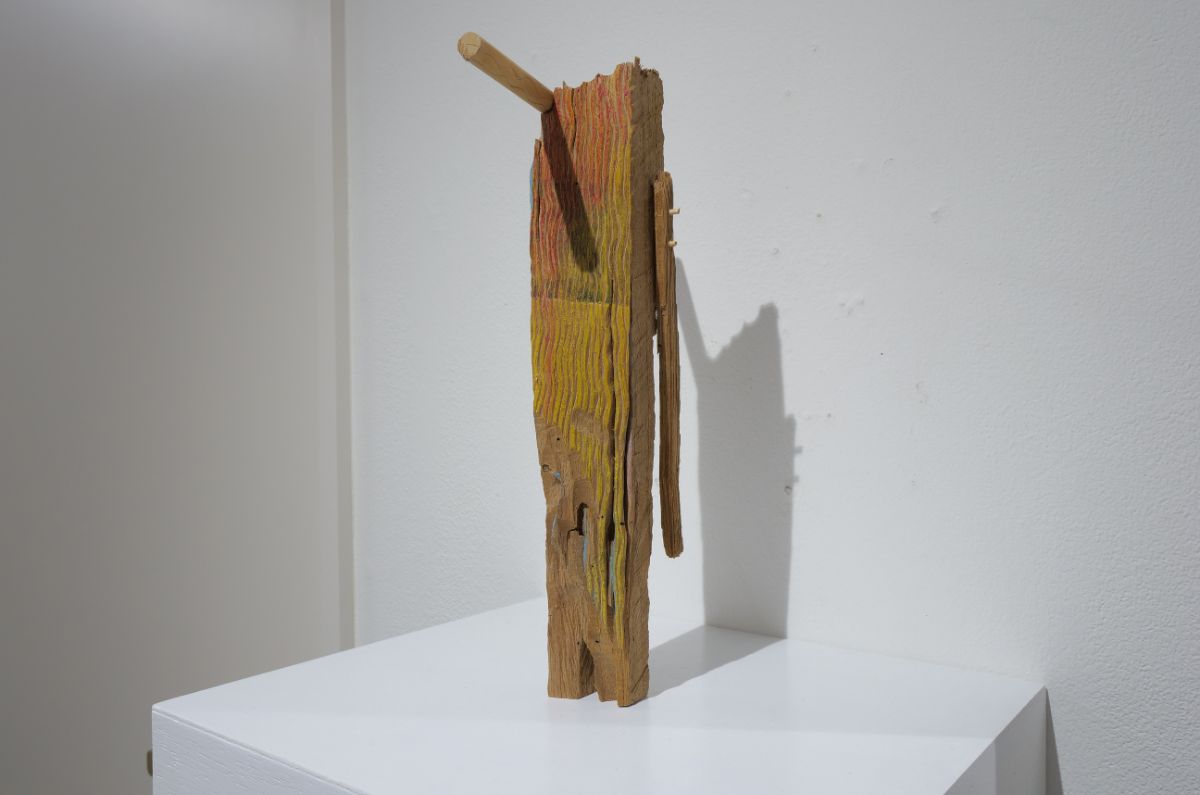
Ornement de cheveux / Hair ornament
桜、オイルパステル Cherry, oil pastel
4,5x15x27cm
2019
大きな髪飾りをして、無意識にバランスをとっている人。
4,5x15x27cm
2019
大きな髪飾りをして、無意識にバランスをとっている人。
< close >


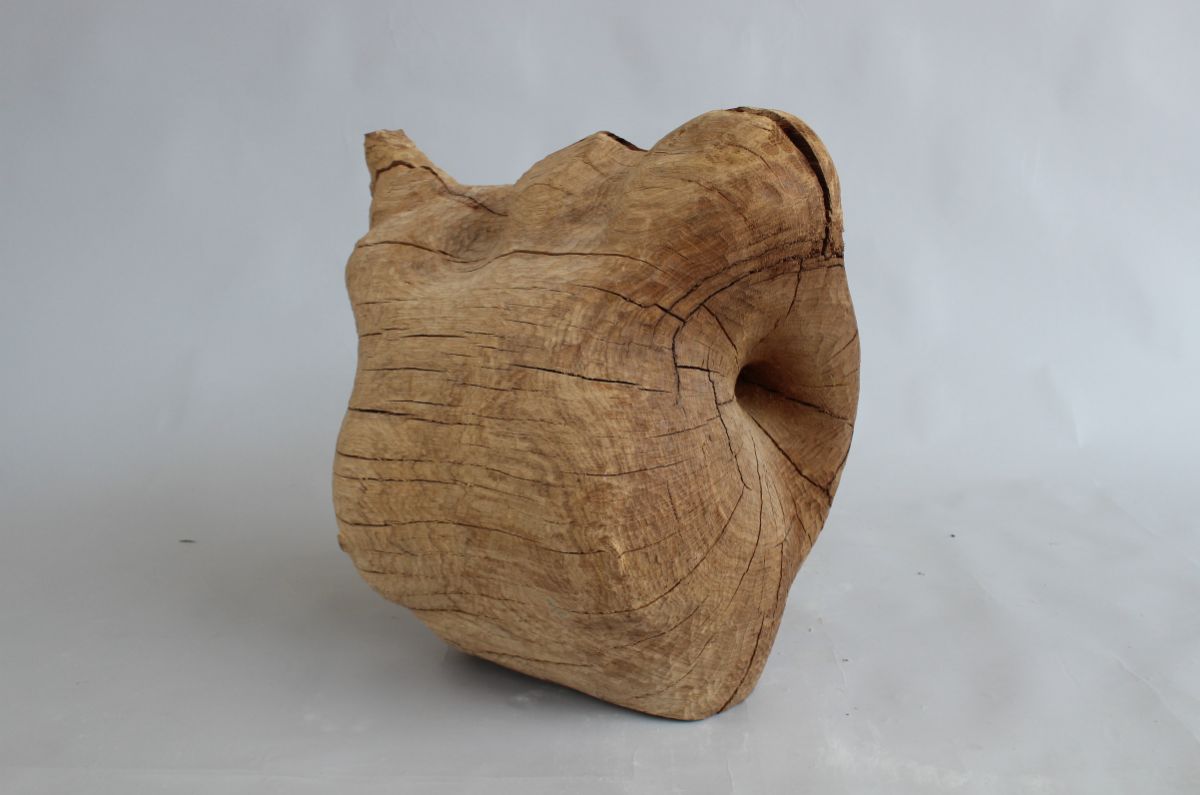
L’ équilibre de la femme
Le bassin
The balance of the woman
The basin
Le bassin
The balance of the woman
The basin
樫 Oak
55x70x35cm
2014
55x70x35cm
2014
L’équilibre
均衡
2011年3月11日、日本で東日本大震災が起きた。
震源地から離れた地域で液状化という問題が起きた。それは、地下水位の高い緩い砂地盤で発生する現象だ。その液状化現象によって建物が傾いたり、沈んだりした。
少し傾いた家は壊れず、一見生活ができる状態なのだ。そこで、生活を続けた家族は、少しづつ平衡を失い、体調を崩していった。
女性は男性よりもこの環境の変化に順応していき、平常の平衡の取れている状態で不調を訴えるようになるそうだ。
大震災の直後は情報が混乱しライフラインが不安定なことから、私たちの日常のバランスも失った。
物理的、心理的にバランスを失った状態で再度、平衡を探す。それは日常に意識していなかったあらゆるバランスを感じるきっかけだ。その混沌を記憶にとどめていくことを想った。
この立体は実際に触れることで少し揺れる。それは、私自身が彫刻をしている時に変化していく重量によって探したバランスである。
震源地から離れた地域で液状化という問題が起きた。それは、地下水位の高い緩い砂地盤で発生する現象だ。その液状化現象によって建物が傾いたり、沈んだりした。
少し傾いた家は壊れず、一見生活ができる状態なのだ。そこで、生活を続けた家族は、少しづつ平衡を失い、体調を崩していった。
女性は男性よりもこの環境の変化に順応していき、平常の平衡の取れている状態で不調を訴えるようになるそうだ。
大震災の直後は情報が混乱しライフラインが不安定なことから、私たちの日常のバランスも失った。
物理的、心理的にバランスを失った状態で再度、平衡を探す。それは日常に意識していなかったあらゆるバランスを感じるきっかけだ。その混沌を記憶にとどめていくことを想った。
この立体は実際に触れることで少し揺れる。それは、私自身が彫刻をしている時に変化していく重量によって探したバランスである。
Equilibrium
On March 11, 2011, the Great East Japan Earthquake struck Japan.
As a result, a problematic phenomenon called liquefaction occurred in areas far from the earthquake's epicenter.
It is a phenomenon that occurs in loose sandy soil areas with elevated groundwater. The liquefaction caused buildings to tilt and sink.
The slightly tilted houses were not destroyed, and at first glance, they were still livable. However, families who continued to live there started to lose their sense of equilibrium little by little, and their health was compromised.
Women adapted to this change in the environment faster than men and started to complain about their sense of equilibrium when their equilibrium was actually normal.
Immediately after the earthquake, our daily lives lost our sense of balance as well, due to the confusion surrounding information and the instability of lifelines.
We search for equilibrium again when we lose physical or psychological balance. It is a chance to be aware of all kinds of balance we were unaware of in our daily lives. I wanted to keep this chaos in the memory.
This three-dimensional object shakes a little when you physically touch it. It has the balance that I searched for by the changing weight when I was sculpting.
As a result, a problematic phenomenon called liquefaction occurred in areas far from the earthquake's epicenter.
It is a phenomenon that occurs in loose sandy soil areas with elevated groundwater. The liquefaction caused buildings to tilt and sink.
The slightly tilted houses were not destroyed, and at first glance, they were still livable. However, families who continued to live there started to lose their sense of equilibrium little by little, and their health was compromised.
Women adapted to this change in the environment faster than men and started to complain about their sense of equilibrium when their equilibrium was actually normal.
Immediately after the earthquake, our daily lives lost our sense of balance as well, due to the confusion surrounding information and the instability of lifelines.
We search for equilibrium again when we lose physical or psychological balance. It is a chance to be aware of all kinds of balance we were unaware of in our daily lives. I wanted to keep this chaos in the memory.
This three-dimensional object shakes a little when you physically touch it. It has the balance that I searched for by the changing weight when I was sculpting.
L’équilibre de la femme
En 2011, il y a eu un grand tremblement de terre au Japon. Le sol s'est incliné, a perdu son horizontalité et cela a rendu les gens physiquement malades. Ils étaient nauséeux et avaient des vertiges.
Les femmes ayant réussies à se remettre plus vite que les hommes c'est pourquoi j’ai voulu représenter le corps d’une femme, le corps séparé en 3 morceaux : Le buste, le bassin, les pieds .
Le tremblement de terre a fait perdre le sentiment d’équilibre physique, mais il a aussi provoqué une perte d’équilibre psychologique. Il a détruit toutes les habitudes, tous les repères. Tout ce qui semblait normal est devenu difficile, tout ce qui semblait évident est devenu incertain : comment manger, se vêtir, se loger? Tous les repères ont disparu et avec eux, les sentiments d’évidence, de sécurité, d’équilibre. Il y a eu perte du sentiment d’être soi, perte d’une certaine unité.
C'est pourquoi je travaille sur la recherche d’équilibre. Équilibre extérieur mais surtout intérieur. Pour moi, c’est surtout cet équilibre intérieur qui est important. Cette sculpture est le résultat de mon expérience, de mon ressenti du tremblement de terre.
Les femmes ayant réussies à se remettre plus vite que les hommes c'est pourquoi j’ai voulu représenter le corps d’une femme, le corps séparé en 3 morceaux : Le buste, le bassin, les pieds .
Le tremblement de terre a fait perdre le sentiment d’équilibre physique, mais il a aussi provoqué une perte d’équilibre psychologique. Il a détruit toutes les habitudes, tous les repères. Tout ce qui semblait normal est devenu difficile, tout ce qui semblait évident est devenu incertain : comment manger, se vêtir, se loger? Tous les repères ont disparu et avec eux, les sentiments d’évidence, de sécurité, d’équilibre. Il y a eu perte du sentiment d’être soi, perte d’une certaine unité.
C'est pourquoi je travaille sur la recherche d’équilibre. Équilibre extérieur mais surtout intérieur. Pour moi, c’est surtout cet équilibre intérieur qui est important. Cette sculpture est le résultat de mon expérience, de mon ressenti du tremblement de terre.
< close >
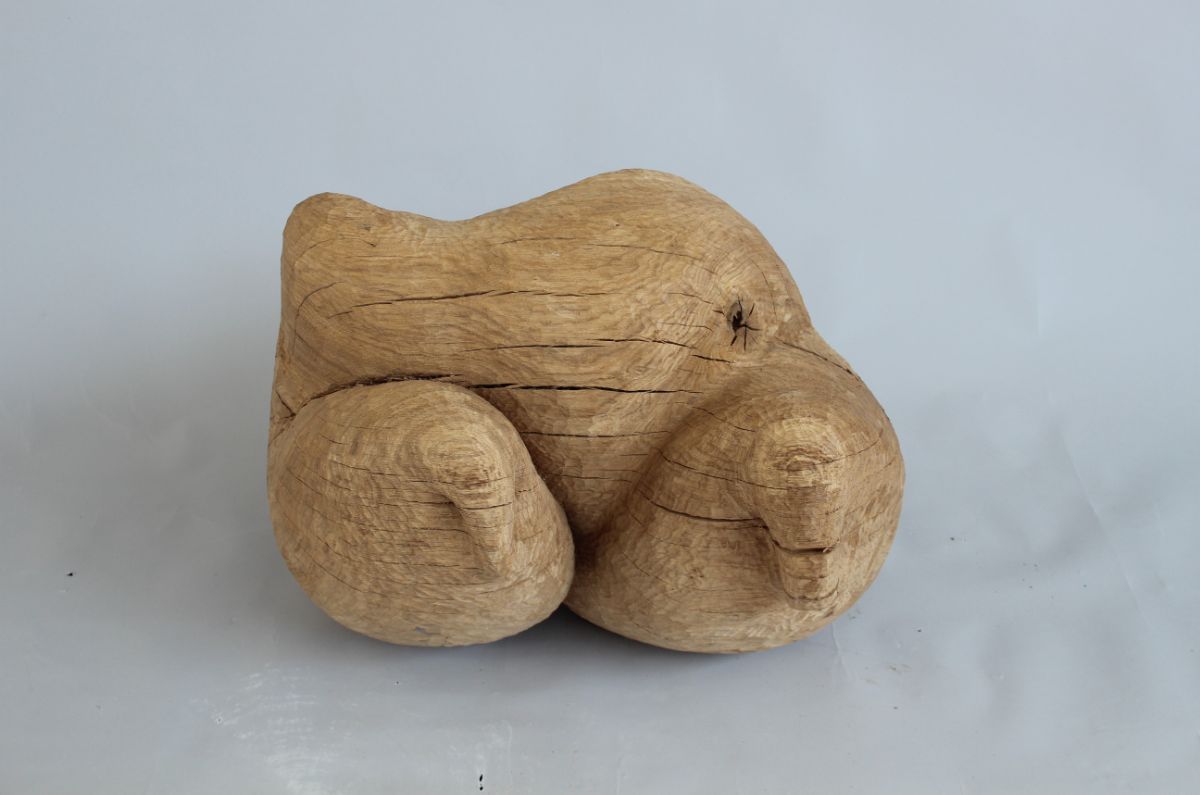

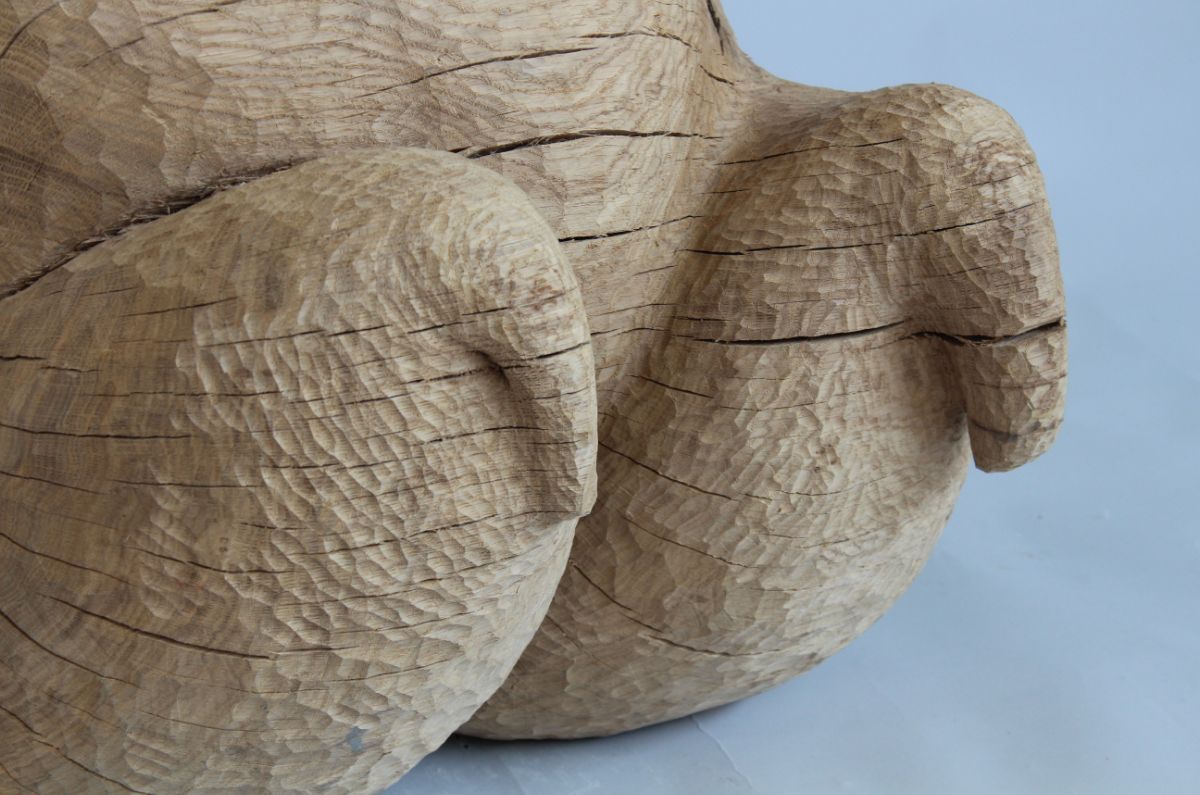
L’ équilibre de la femme
Le torse
The balance of the woman
The chest
Le torse
The balance of the woman
The chest
樫 Oak
66x55x40cm
2014
66x55x40cm
2014
L’équilibre
均衡
2011年3月11日、日本で東日本大震災が起きた。
震源地から離れた地域で液状化という問題が起きた。それは、地下水位の高い緩い砂地盤で発生する現象だ。その液状化現象によって建物が傾いたり、沈んだりした。
少し傾いた家は壊れず、一見生活ができる状態なのだ。そこで、生活を続けた家族は、少しづつ平衡を失い、体調を崩していった。
女性は男性よりもこの環境の変化に順応していき、平常の平衡の取れている状態で不調を訴えるようになるそうだ。
大震災の直後は情報が混乱しライフラインが不安定なことから、私たちの日常のバランスも失った。
物理的、心理的にバランスを失った状態で再度、平衡を探す。それは日常に意識していなかったあらゆるバランスを感じるきっかけだ。その混沌を記憶にとどめていくことを想った。
この立体は実際に触れることで少し揺れる。それは、私自身が彫刻をしている時に変化していく重量によって探したバランスである。
震源地から離れた地域で液状化という問題が起きた。それは、地下水位の高い緩い砂地盤で発生する現象だ。その液状化現象によって建物が傾いたり、沈んだりした。
少し傾いた家は壊れず、一見生活ができる状態なのだ。そこで、生活を続けた家族は、少しづつ平衡を失い、体調を崩していった。
女性は男性よりもこの環境の変化に順応していき、平常の平衡の取れている状態で不調を訴えるようになるそうだ。
大震災の直後は情報が混乱しライフラインが不安定なことから、私たちの日常のバランスも失った。
物理的、心理的にバランスを失った状態で再度、平衡を探す。それは日常に意識していなかったあらゆるバランスを感じるきっかけだ。その混沌を記憶にとどめていくことを想った。
この立体は実際に触れることで少し揺れる。それは、私自身が彫刻をしている時に変化していく重量によって探したバランスである。
Equilibrium
On March 11, 2011, the Great East Japan Earthquake struck Japan.
As a result, a problematic phenomenon called liquefaction occurred in areas far from the earthquake's epicenter.
It is a phenomenon that occurs in loose sandy soil areas with elevated groundwater. The liquefaction caused buildings to tilt and sink.
The slightly tilted houses were not destroyed, and at first glance, they were still livable. However, families who continued to live there started to lose their sense of equilibrium little by little, and their health was compromised.
Women adapted to this change in the environment faster than men and started to complain about their sense of equilibrium when their equilibrium was actually normal.
Immediately after the earthquake, our daily lives lost our sense of balance as well, due to the confusion surrounding information and the instability of lifelines.
We search for equilibrium again when we lose physical or psychological balance. It is a chance to be aware of all kinds of balance we were unaware of in our daily lives. I wanted to keep this chaos in the memory.
This three-dimensional object shakes a little when you physically touch it. It has the balance that I searched for by the changing weight when I was sculpting.
As a result, a problematic phenomenon called liquefaction occurred in areas far from the earthquake's epicenter.
It is a phenomenon that occurs in loose sandy soil areas with elevated groundwater. The liquefaction caused buildings to tilt and sink.
The slightly tilted houses were not destroyed, and at first glance, they were still livable. However, families who continued to live there started to lose their sense of equilibrium little by little, and their health was compromised.
Women adapted to this change in the environment faster than men and started to complain about their sense of equilibrium when their equilibrium was actually normal.
Immediately after the earthquake, our daily lives lost our sense of balance as well, due to the confusion surrounding information and the instability of lifelines.
We search for equilibrium again when we lose physical or psychological balance. It is a chance to be aware of all kinds of balance we were unaware of in our daily lives. I wanted to keep this chaos in the memory.
This three-dimensional object shakes a little when you physically touch it. It has the balance that I searched for by the changing weight when I was sculpting.
L’équilibre de la femme
En 2011, il y a eu un grand tremblement de terre au Japon. Le sol s'est incliné, a perdu son horizontalité et cela a rendu les gens physiquement malades. Ils étaient nauséeux et avaient des vertiges.
Les femmes ayant réussies à se remettre plus vite que les hommes c'est pourquoi j’ai voulu représenter le corps d’une femme, le corps séparé en 3 morceaux : Le buste, le bassin, les pieds .
Le tremblement de terre a fait perdre le sentiment d’équilibre physique, mais il a aussi provoqué une perte d’équilibre psychologique. Il a détruit toutes les habitudes, tous les repères. Tout ce qui semblait normal est devenu difficile, tout ce qui semblait évident est devenu incertain : comment manger, se vêtir, se loger? Tous les repères ont disparu et avec eux, les sentiments d’évidence, de sécurité, d’équilibre. Il y a eu perte du sentiment d’être soi, perte d’une certaine unité.
C'est pourquoi je travaille sur la recherche d’équilibre. Équilibre extérieur mais surtout intérieur. Pour moi, c’est surtout cet équilibre intérieur qui est important. Cette sculpture est le résultat de mon expérience, de mon ressenti du tremblement de terre.
Les femmes ayant réussies à se remettre plus vite que les hommes c'est pourquoi j’ai voulu représenter le corps d’une femme, le corps séparé en 3 morceaux : Le buste, le bassin, les pieds .
Le tremblement de terre a fait perdre le sentiment d’équilibre physique, mais il a aussi provoqué une perte d’équilibre psychologique. Il a détruit toutes les habitudes, tous les repères. Tout ce qui semblait normal est devenu difficile, tout ce qui semblait évident est devenu incertain : comment manger, se vêtir, se loger? Tous les repères ont disparu et avec eux, les sentiments d’évidence, de sécurité, d’équilibre. Il y a eu perte du sentiment d’être soi, perte d’une certaine unité.
C'est pourquoi je travaille sur la recherche d’équilibre. Équilibre extérieur mais surtout intérieur. Pour moi, c’est surtout cet équilibre intérieur qui est important. Cette sculpture est le résultat de mon expérience, de mon ressenti du tremblement de terre.
< close >
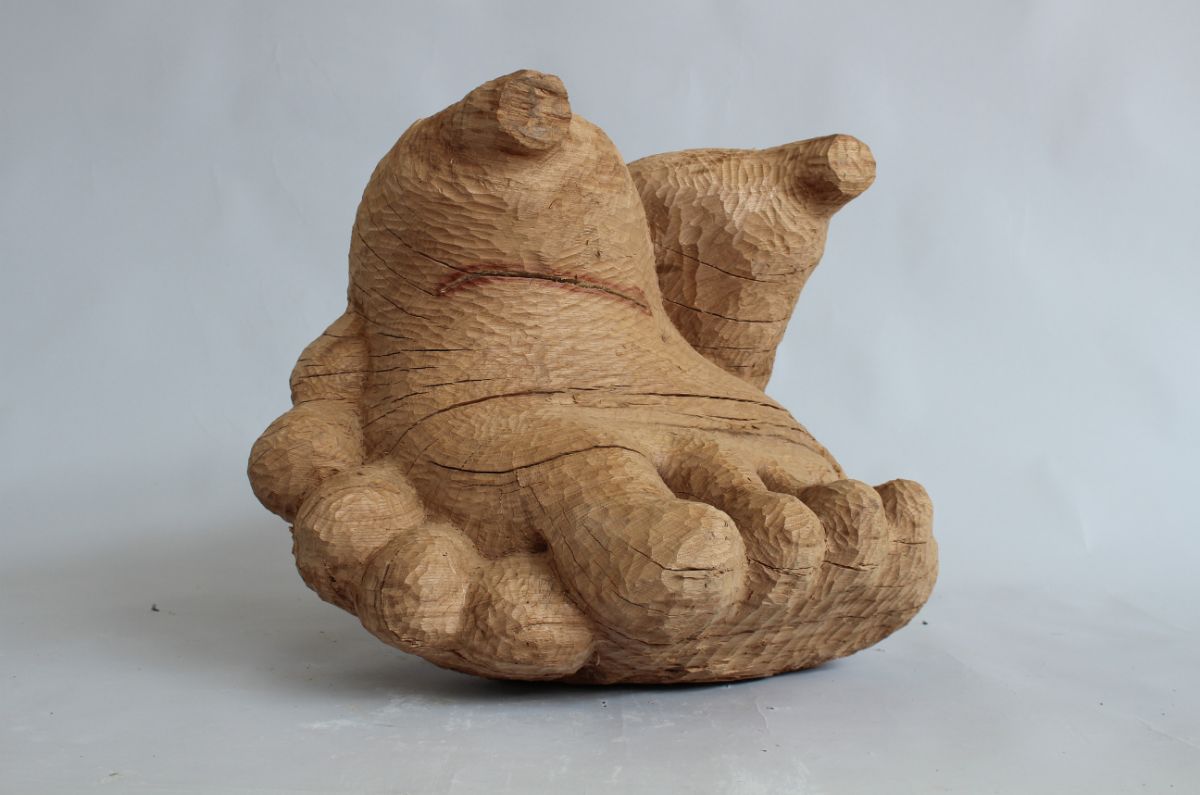
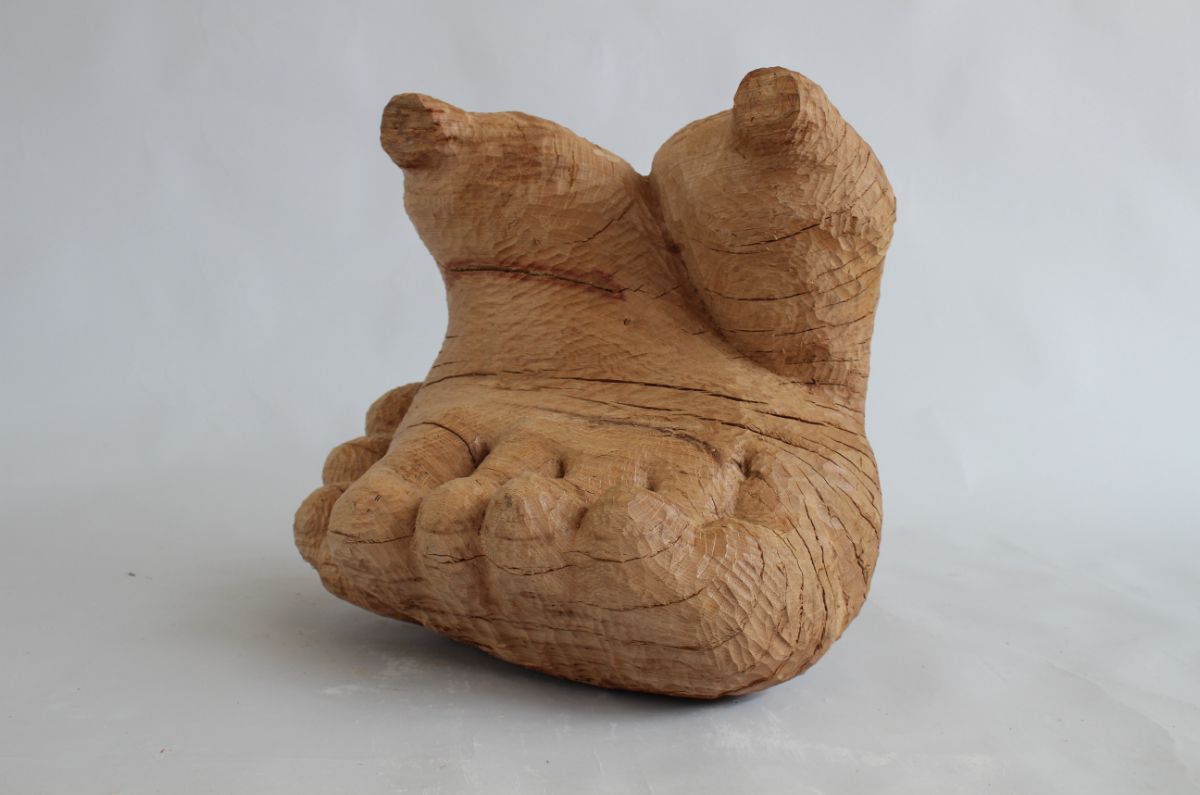

L’ équilibre de la femme
Le pied
The balance of the woman
Foot
Le pied
The balance of the woman
Foot
樫 Oak
60x60x40cm
2014
60x60x40cm
2014
L’équilibre
均衡
2011年3月11日、日本で東日本大震災が起きた。
震源地から離れた地域で液状化という問題が起きた。それは、地下水位の高い緩い砂地盤で発生する現象だ。その液状化現象によって建物が傾いたり、沈んだりした。
少し傾いた家は壊れず、一見生活ができる状態なのだ。そこで、生活を続けた家族は、少しづつ平衡を失い、体調を崩していった。
女性は男性よりもこの環境の変化に順応していき、平常の平衡の取れている状態で不調を訴えるようになるそうだ。
大震災の直後は情報が混乱しライフラインが不安定なことから、私たちの日常のバランスも失った。
物理的、心理的にバランスを失った状態で再度、平衡を探す。それは日常に意識していなかったあらゆるバランスを感じるきっかけだ。その混沌を記憶にとどめていくことを想った。
この立体は実際に触れることで少し揺れる。それは、私自身が彫刻をしている時に変化していく重量によって探したバランスである。
震源地から離れた地域で液状化という問題が起きた。それは、地下水位の高い緩い砂地盤で発生する現象だ。その液状化現象によって建物が傾いたり、沈んだりした。
少し傾いた家は壊れず、一見生活ができる状態なのだ。そこで、生活を続けた家族は、少しづつ平衡を失い、体調を崩していった。
女性は男性よりもこの環境の変化に順応していき、平常の平衡の取れている状態で不調を訴えるようになるそうだ。
大震災の直後は情報が混乱しライフラインが不安定なことから、私たちの日常のバランスも失った。
物理的、心理的にバランスを失った状態で再度、平衡を探す。それは日常に意識していなかったあらゆるバランスを感じるきっかけだ。その混沌を記憶にとどめていくことを想った。
この立体は実際に触れることで少し揺れる。それは、私自身が彫刻をしている時に変化していく重量によって探したバランスである。
Equilibrium
On March 11, 2011, the Great East Japan Earthquake struck Japan.
As a result, a problematic phenomenon called liquefaction occurred in areas far from the earthquake's epicenter.
It is a phenomenon that occurs in loose sandy soil areas with elevated groundwater. The liquefaction caused buildings to tilt and sink.
The slightly tilted houses were not destroyed, and at first glance, they were still livable. However, families who continued to live there started to lose their sense of equilibrium little by little, and their health was compromised.
Women adapted to this change in the environment faster than men and started to complain about their sense of equilibrium when their equilibrium was actually normal.
Immediately after the earthquake, our daily lives lost our sense of balance as well, due to the confusion surrounding information and the instability of lifelines.
We search for equilibrium again when we lose physical or psychological balance. It is a chance to be aware of all kinds of balance we were unaware of in our daily lives. I wanted to keep this chaos in the memory.
This three-dimensional object shakes a little when you physically touch it. It has the balance that I searched for by the changing weight when I was sculpting.
As a result, a problematic phenomenon called liquefaction occurred in areas far from the earthquake's epicenter.
It is a phenomenon that occurs in loose sandy soil areas with elevated groundwater. The liquefaction caused buildings to tilt and sink.
The slightly tilted houses were not destroyed, and at first glance, they were still livable. However, families who continued to live there started to lose their sense of equilibrium little by little, and their health was compromised.
Women adapted to this change in the environment faster than men and started to complain about their sense of equilibrium when their equilibrium was actually normal.
Immediately after the earthquake, our daily lives lost our sense of balance as well, due to the confusion surrounding information and the instability of lifelines.
We search for equilibrium again when we lose physical or psychological balance. It is a chance to be aware of all kinds of balance we were unaware of in our daily lives. I wanted to keep this chaos in the memory.
This three-dimensional object shakes a little when you physically touch it. It has the balance that I searched for by the changing weight when I was sculpting.
L’équilibre de la femme
En 2011, il y a eu un grand tremblement de terre au Japon. Le sol s'est incliné, a perdu son horizontalité et cela a rendu les gens physiquement malades. Ils étaient nauséeux et avaient des vertiges.
Les femmes ayant réussies à se remettre plus vite que les hommes c'est pourquoi j’ai voulu représenter le corps d’une femme, le corps séparé en 3 morceaux : Le buste, le bassin, les pieds .
Le tremblement de terre a fait perdre le sentiment d’équilibre physique, mais il a aussi provoqué une perte d’équilibre psychologique. Il a détruit toutes les habitudes, tous les repères. Tout ce qui semblait normal est devenu difficile, tout ce qui semblait évident est devenu incertain : comment manger, se vêtir, se loger? Tous les repères ont disparu et avec eux, les sentiments d’évidence, de sécurité, d’équilibre. Il y a eu perte du sentiment d’être soi, perte d’une certaine unité.
C'est pourquoi je travaille sur la recherche d’équilibre. Équilibre extérieur mais surtout intérieur. Pour moi, c’est surtout cet équilibre intérieur qui est important. Cette sculpture est le résultat de mon expérience, de mon ressenti du tremblement de terre.
Les femmes ayant réussies à se remettre plus vite que les hommes c'est pourquoi j’ai voulu représenter le corps d’une femme, le corps séparé en 3 morceaux : Le buste, le bassin, les pieds .
Le tremblement de terre a fait perdre le sentiment d’équilibre physique, mais il a aussi provoqué une perte d’équilibre psychologique. Il a détruit toutes les habitudes, tous les repères. Tout ce qui semblait normal est devenu difficile, tout ce qui semblait évident est devenu incertain : comment manger, se vêtir, se loger? Tous les repères ont disparu et avec eux, les sentiments d’évidence, de sécurité, d’équilibre. Il y a eu perte du sentiment d’être soi, perte d’une certaine unité.
C'est pourquoi je travaille sur la recherche d’équilibre. Équilibre extérieur mais surtout intérieur. Pour moi, c’est surtout cet équilibre intérieur qui est important. Cette sculpture est le résultat de mon expérience, de mon ressenti du tremblement de terre.
< close >
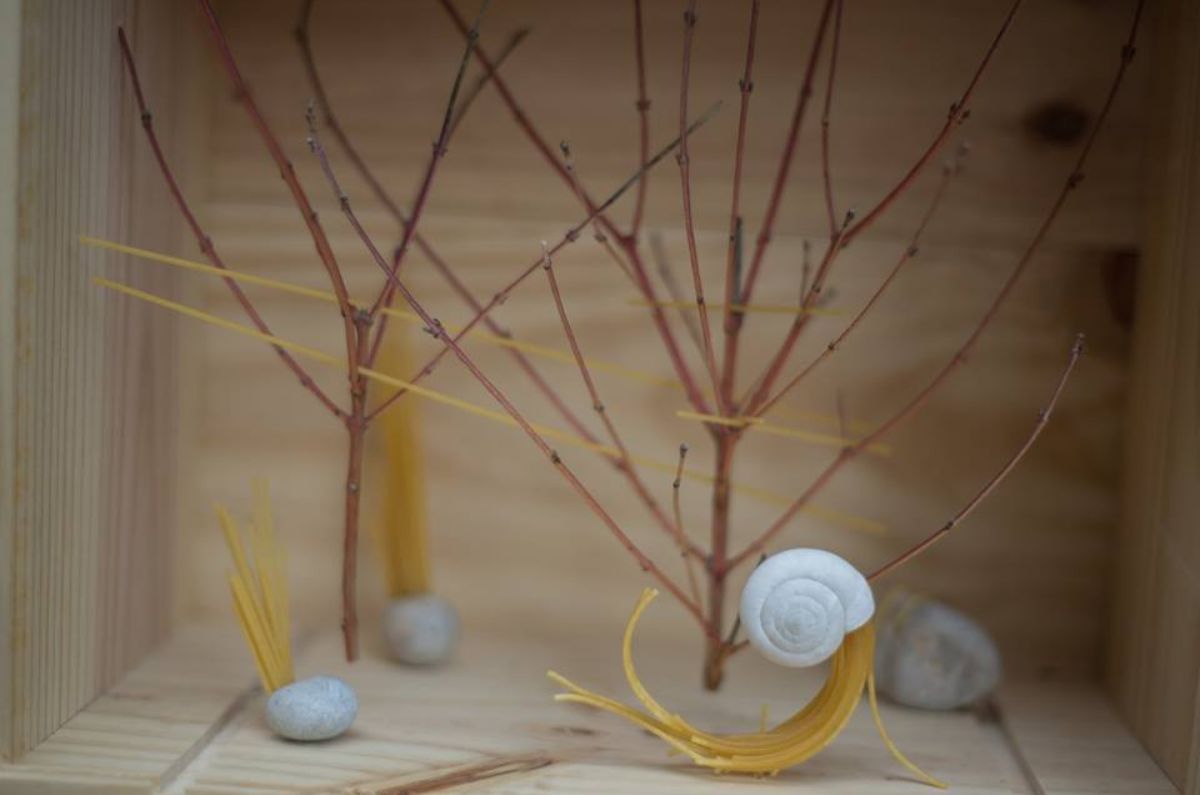


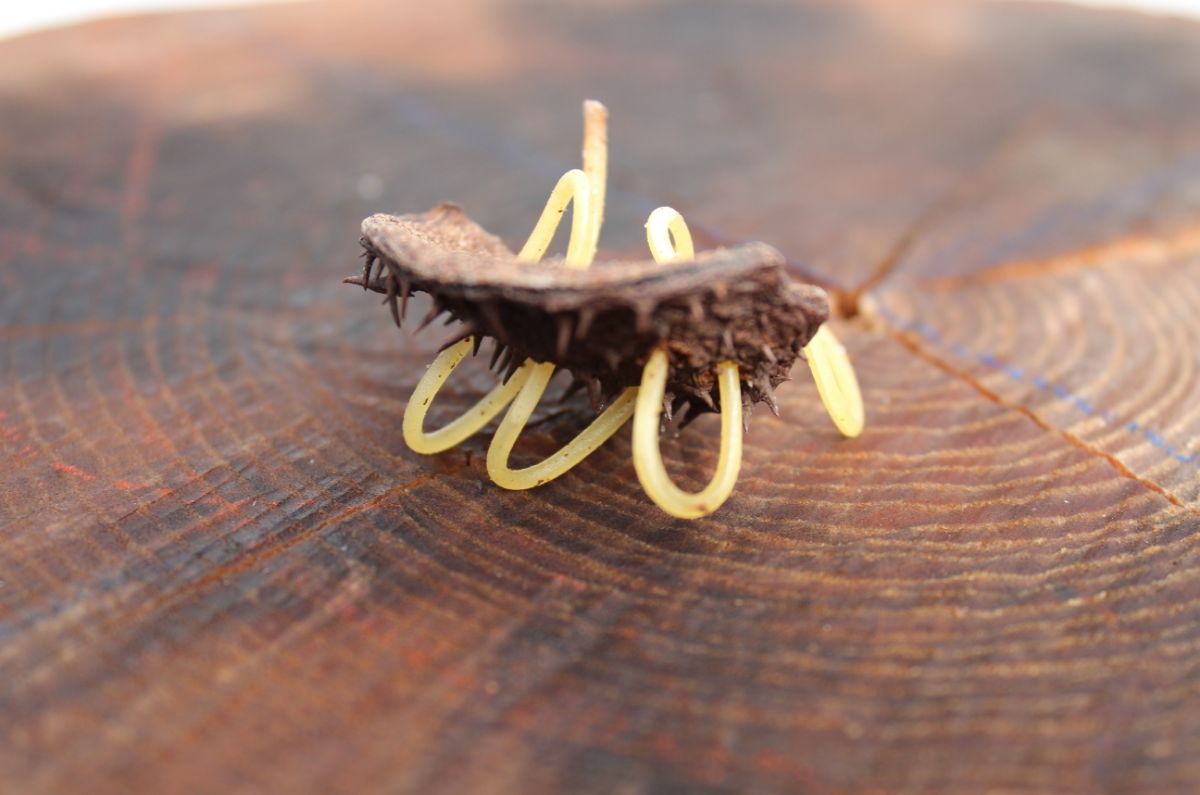
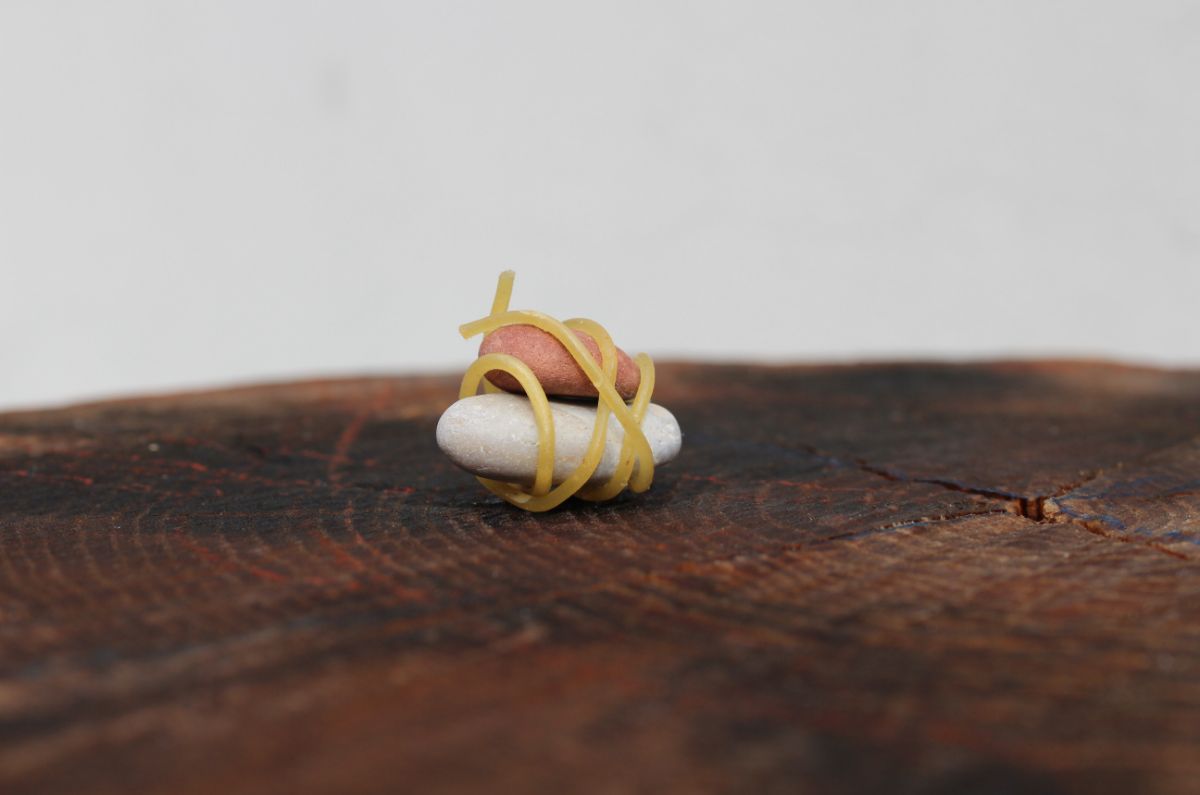
今夜はスパゲティー
内と外
スパゲティー、石、貝、殻、赤い枝
2014
スパゲティー、石、貝、殻、赤い枝
2014
私はパリに来て以来、ほぼ毎夕飯にスパゲティーを食べている。スパゲティーは簡単に料理でき、経済的だからだ。毎晩のように私は真っ直ぐな硬いスパゲティーを沸騰しているお湯に入れ、それらの形が変化していくのを眺めた。
オリーブオイルやチーズ、クリームで味付けされて皿に盛られたスパゲティーの形はさまざまだった。
まるで迷路のような複雑に絡み合った形。それは宇宙のように無限に広がって行き、日常ではない違う世界に私を連れて行ってくれる。
本当は日常に感じている世界と現実は違うものなのかもしれない。
オリーブオイルやチーズ、クリームで味付けされて皿に盛られたスパゲティーの形はさまざまだった。
まるで迷路のような複雑に絡み合った形。それは宇宙のように無限に広がって行き、日常ではない違う世界に私を連れて行ってくれる。
本当は日常に感じている世界と現実は違うものなのかもしれない。
Spaghetti Every Night
Inside and Outside
Spaghetti, stones, seashells, shells, red branches
2014
Spaghetti, stones, seashells, shells, red branches
2014
Since I came to Paris, I have had spaghetti almost every dinner. Spaghetti is easy to cook and economical. Every night I put straight, hard spaghetti in boiling water and watched them change shape.
The spaghetti was served in various shapes, flavored with olive oil, cheese and cream.
Intricately intertwined shapes like a maze. It spreads infinitely like the universe and takes me to a different world than everyday life.
The reality may be different from the world you feel in your daily life.
The spaghetti was served in various shapes, flavored with olive oil, cheese and cream.
Intricately intertwined shapes like a maze. It spreads infinitely like the universe and takes me to a different world than everyday life.
The reality may be different from the world you feel in your daily life.
De l'équilibre et des pâtes.
L'équilibre de l'intérieur et de l’ extérieur [Projet de cabinet de curiosités]
Spaghetti, cailloux, coquillage, coque de marron, branches rouges
2014
Spaghetti, cailloux, coquillage, coque de marron, branches rouges
2014
Je travaille sur l'équilibre avec des pâtes.
Depuis que je suis à Paris, je mange souvent des pâtes.
Les pâtes sont simple, le goût est modifié par la sauce et cuisiner des pâtes est simple.
J'ai voulu utiliser des choses courantes, banales et de mon quotidien pour ce travail, utiliser des pates étaient donc une evidence pour moi.
J'ai cherché à voir les choses du quotidien de façon différente pour tenter de révéler des formes que l'on ne voit plus.
Les pâtes sont seulement de la nourriture pour nous.
Ils changent de forme par une modification de la température de l'eau. Et nous pouvons être libres d'adapter leur forme.
Depuis que je suis à Paris, je mange souvent des pâtes.
Les pâtes sont simple, le goût est modifié par la sauce et cuisiner des pâtes est simple.
J'ai voulu utiliser des choses courantes, banales et de mon quotidien pour ce travail, utiliser des pates étaient donc une evidence pour moi.
J'ai cherché à voir les choses du quotidien de façon différente pour tenter de révéler des formes que l'on ne voit plus.
Les pâtes sont seulement de la nourriture pour nous.
Ils changent de forme par une modification de la température de l'eau. Et nous pouvons être libres d'adapter leur forme.
< close >
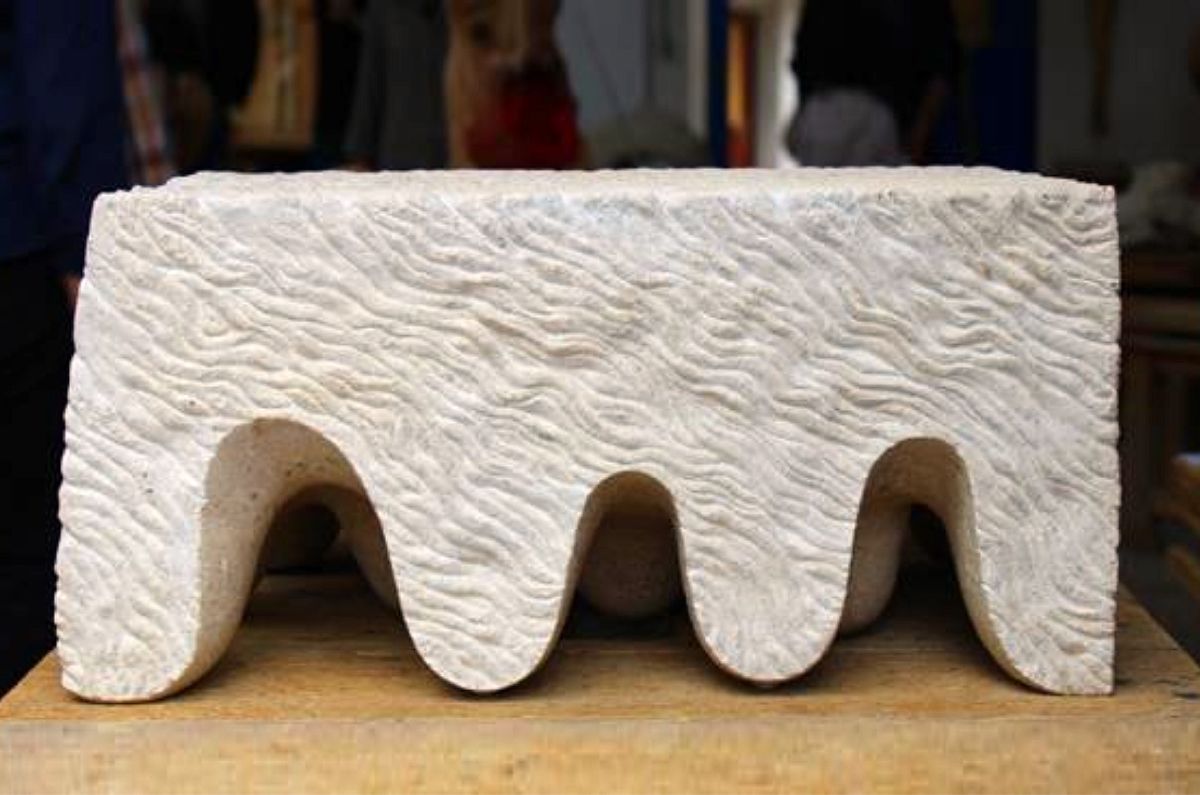


Un être vivant / A living being
砂岩 Sandstone
18x45x30cm
2013
18x45x30cm
2013
いきもの
セキセイインコというモチーフは、私の一環したテーマであり、子供の頃の思い出である。
それは、私にとって制作する原動力になっている。
13羽のセキセイインコの頭がある。それは、パリのアトリエと私の家が13区にあるからことから来ている。
セキセイインコの群れは、外敵から身を守り渡りをするために支えあっている。
その群れは、ひとつのいきものの様に。
私たちも同じであろう。
それは、私にとって制作する原動力になっている。
13羽のセキセイインコの頭がある。それは、パリのアトリエと私の家が13区にあるからことから来ている。
セキセイインコの群れは、外敵から身を守り渡りをするために支えあっている。
その群れは、ひとつのいきものの様に。
私たちも同じであろう。
Un être vivant
Le thème de lq perruche est récurrent dans mon travail et renvoie à mes souvenirs d’enfance.
C’est la force motrice de ma créqtion.
Le chiffre 13 est un clin d’oeil à l’arrondissement où nous nous trouvons.
13 perruches qui soutiennent moralement et physiquement.
C’est un animal imaginaire : tout être vivant ne peut survivre sans le soutien d’autres êtres vivants.
C’est la force motrice de ma créqtion.
Le chiffre 13 est un clin d’oeil à l’arrondissement où nous nous trouvons.
13 perruches qui soutiennent moralement et physiquement.
C’est un animal imaginaire : tout être vivant ne peut survivre sans le soutien d’autres êtres vivants.
< close >
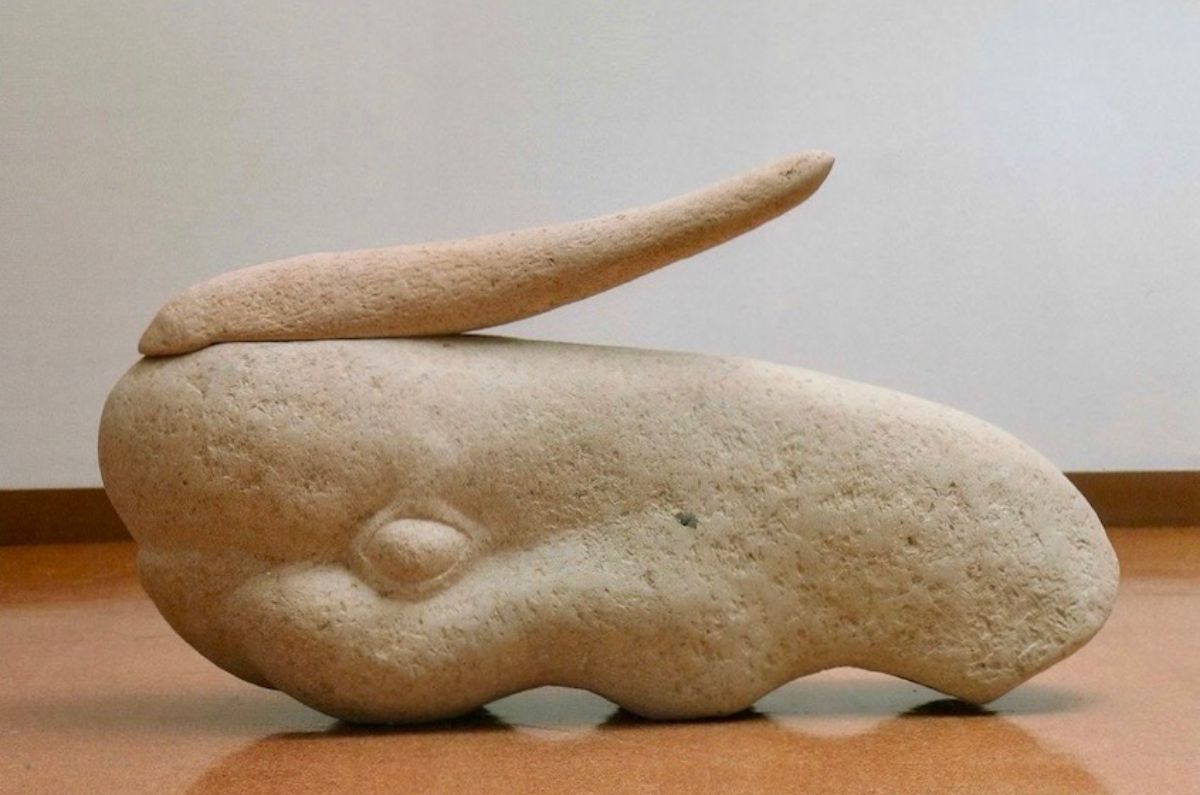
頭の伸びたオカメインコ / Cockatiel with elongated head
黄竜山石、ライムストーン Kitatsuyama marble, limestone
65x120x35cm
2011
65x120x35cm
2011
< close >
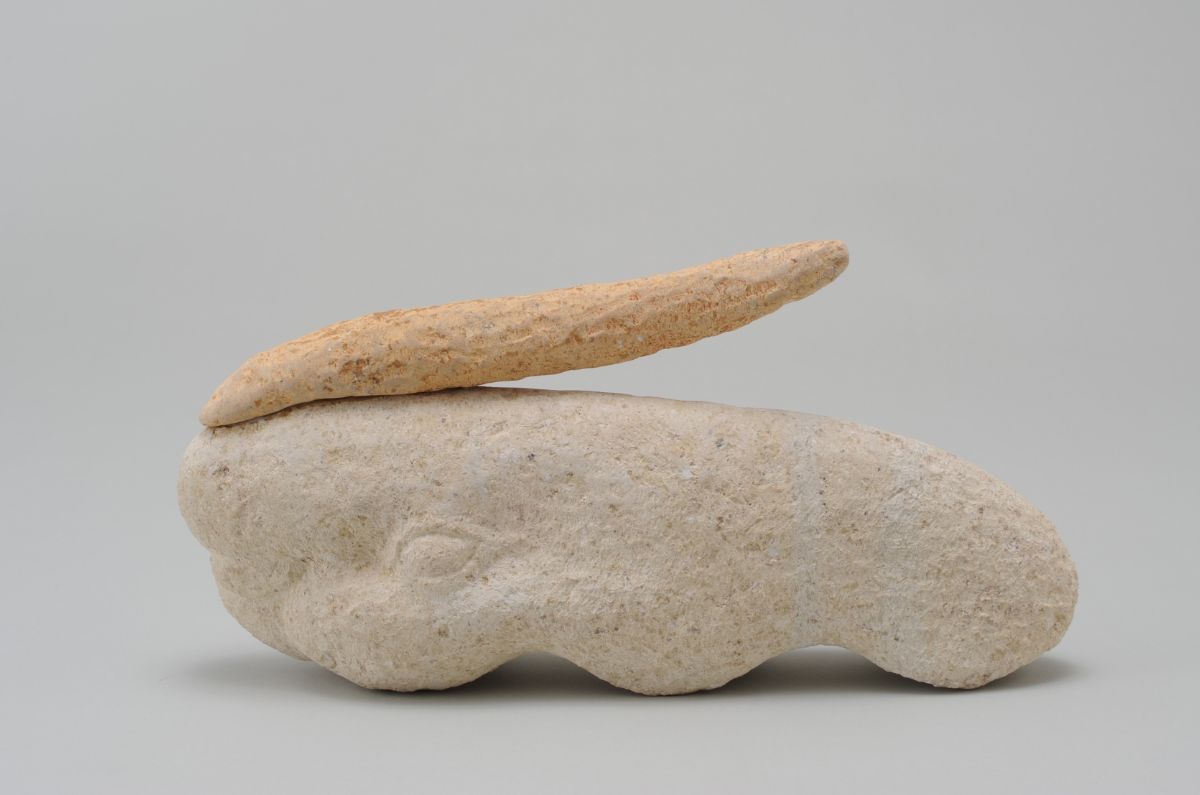

頭の伸びたオカメインコ / Cockatiel with elongated head
黄竜山石、ライムストーン Kitatsuyama marble, limestone
20x60x10cm
2010
20x60x10cm
2010
< close >

インコ家具 / Parakeet furniture
インコDSR Parakeet DSR
インコLAR Parakeet LAR
インコソファー・コンパクト Parakeet sofa. compact
インコLAR Parakeet LAR
インコソファー・コンパクト Parakeet sofa. compact
インコ家具
綺麗な色彩を体にもつインコは、いつもひと休みに家具たちに留まっていました。 家具たちは、自由に飛び回っているインコをうらやましく思っていたので、インコがとまる時には、イスは座りやすく、 ソファーはより心地よくしていました。 そんな家具たちに気持ちがよいのでインコがしばらく留まっていたら、お互いの気持ちが通じ合ったのか、 いつしかインコと家具は合体していたのです。
Parakeets Furnitures
The parakeet, which has beautiful colors on its body, was always resting on the furniture.
The furniture envied the free-flying parakeet, so the chairs were softer and the sofas morecomfortable when the parakeet settled on them.
Such furniture was very comfortable, so if the parakeet stayed for a while, they couldunderstand each other's feelings, so the parakeet and the furniture were united.
The furniture envied the free-flying parakeet, so the chairs were softer and the sofas morecomfortable when the parakeet settled on them.
Such furniture was very comfortable, so if the parakeet stayed for a while, they couldunderstand each other's feelings, so the parakeet and the furniture were united.
Série meubles perruche
Des perruches aux couleurs vives aimaient se reposer sur des meubles.
Les meubles jaloux des perruches qui pouvaient voler librement dans le ciel,
décidèrent de devenir plus confortables afin qu’elles restent plus longtemps sur eux.
Les perruches se sentirent si bien sur les meubles, qu’elles finirent par fusionner avec eux.
Les meubles jaloux des perruches qui pouvaient voler librement dans le ciel,
décidèrent de devenir plus confortables afin qu’elles restent plus longtemps sur eux.
Les perruches se sentirent si bien sur les meubles, qu’elles finirent par fusionner avec eux.
< close >


渡る / インコマスク
遠州横須賀街道ちっちゃな文化展(静岡県掛川市)でのプロジェクト。
(2009-2011)
食糧を求めて大移動を繰り返し、天敵の脅威をかいくぐり、オーストラリア大陸を渡っているセキセイインコ 。
その数百羽、数千羽の群れはひとつの生き物の様で、そして美しい。
私たちもその群れになりたいと思った。
私たちは群れの一部なった痕跡を残し、時にその痕跡を思い出し、再び戻ってきて欲しいと思う。
展示中、来場者はインコマスクを着用し、各々の決めポーズを取る。私はそれを撮影し、来年、同展示会場に帰って来てもらうことを各来場者と約束する。
翌年、同会場に前年の撮影した写真を展示する。来場者には前年のご自身の写真を探してもらい、サインと交換に写真をお渡しする。
そして来場者に再度インコマスクを着用してもらい、撮影する。同様に翌年も私はその会場に展示する。
私はその展示を3年間続けた。
毎年3日間の展示中に約300人、延、約600人位の参加者になる。
参加者同士が同じ場所で同じ行為をすることによって、共通点に気づくきっかけになる。
各参加者たちが過去の自分自身と再会し、それぞれ個々の想い出を感じながら、その感覚を他の参加者と共有する空間になった。
(2009-2011)
食糧を求めて大移動を繰り返し、天敵の脅威をかいくぐり、オーストラリア大陸を渡っているセキセイインコ 。
その数百羽、数千羽の群れはひとつの生き物の様で、そして美しい。
私たちもその群れになりたいと思った。
私たちは群れの一部なった痕跡を残し、時にその痕跡を思い出し、再び戻ってきて欲しいと思う。
展示中、来場者はインコマスクを着用し、各々の決めポーズを取る。私はそれを撮影し、来年、同展示会場に帰って来てもらうことを各来場者と約束する。
翌年、同会場に前年の撮影した写真を展示する。来場者には前年のご自身の写真を探してもらい、サインと交換に写真をお渡しする。
そして来場者に再度インコマスクを着用してもらい、撮影する。同様に翌年も私はその会場に展示する。
私はその展示を3年間続けた。
毎年3日間の展示中に約300人、延、約600人位の参加者になる。
参加者同士が同じ場所で同じ行為をすることによって、共通点に気づくきっかけになる。
各参加者たちが過去の自分自身と再会し、それぞれ個々の想い出を感じながら、その感覚を他の参加者と共有する空間になった。
Crossing / Parakeet Mask
A project at the Enshu Yokosuka Highway Tiny Culture Exhibition (Kakegawa City, Shizuoka Prefecture). (2009-2011)
Budgies migrate across the Australian continent in search of food, avoiding threats from natural enemies. A flock of hundreds and thousands of them looks like a single creature and is beautiful.
We wanted to be part of that group, too.
We leave traces of being part of the herd, and sometimes remember those traces, and want them to come back again.
During the exhibition, visitors wear parrot masks and take their own poses. I will photograph it and promise each visitor to come back to the exhibition next year.
The following year, I will exhibit the photographs taken in the previous year at the same venue.
Visitors will be asked to find their own photo from the previous year, and will be given a photo in exchange for an autograph.
Then the visitor puts on the parakeet mask again and I photograph it. I will exhibit at the same venue next year as well.
I continued the exhibition for three years.
About 300 people participate in the three-day exhibition every year, and about 600 people in total.
By having participants do the same thing in the same place, it becomes an opportunity to notice commonalities.
Each participant reunited with their past selves and felt their individual memories while sharing those feelings with other participants.
Budgies migrate across the Australian continent in search of food, avoiding threats from natural enemies. A flock of hundreds and thousands of them looks like a single creature and is beautiful.
We wanted to be part of that group, too.
We leave traces of being part of the herd, and sometimes remember those traces, and want them to come back again.
During the exhibition, visitors wear parrot masks and take their own poses. I will photograph it and promise each visitor to come back to the exhibition next year.
The following year, I will exhibit the photographs taken in the previous year at the same venue.
Visitors will be asked to find their own photo from the previous year, and will be given a photo in exchange for an autograph.
Then the visitor puts on the parakeet mask again and I photograph it. I will exhibit at the same venue next year as well.
I continued the exhibition for three years.
About 300 people participate in the three-day exhibition every year, and about 600 people in total.
By having participants do the same thing in the same place, it becomes an opportunity to notice commonalities.
Each participant reunited with their past selves and felt their individual memories while sharing those feelings with other participants.
< close >




インコになる
私はセキセイインコに憧れている。カラフルな色を身体に持ち、その群れは星雲や星団の様に何倍もの大きさになって移動していく。
それは個と集団の意味を明確に持っている。
私はセキセイインコ になって、知らない街を彷徨う。
それは個と集団の意味を明確に持っている。
私はセキセイインコ になって、知らない街を彷徨う。
I will be a budgerigars.
I adore budgerigars. Because they have colorful colors on their bodies, and their flocks grow many times larger like nebulae and star clusters and move.
It has a clear meaning of individual and collective.
I become a budgie and wander around unknown towns.
It has a clear meaning of individual and collective.
I become a budgie and wander around unknown towns.
< close >

インコ餃子 / Parakeet Gyoza
ラテックス、皿 Latex, dish
3x20x8cm
2004
3x20x8cm
2004
Inko menu / インコメニュー
インコが食べちゃいたいほど好き!をテーマにセキセイインコを食べ物に見立てました。
Inko menu / Parakeets. Budgerigars
I love budgerigars so much that I want to eat them! With that theme, I likened the budgerigars to food.
< close >

インコ饅頭 / Parakeet buns head
ラテックス、蒸籠 Latex, steam bask
10x10x15cm
2004
10x10x15cm
2004
Inko menu / インコメニュー
インコが食べちゃいたいほど好き!をテーマにセキセイインコを食べ物に見立てました。
Inko menu / Parakeets. Budgerigars
I love budgerigars so much that I want to eat them! With that theme, I likened the budgerigars to food.
< close >

インコたこ焼き/ Parakeet Takoyaki
ラテックス、鰹節、青のり、楊枝 Latex, bonito, aonori seaweed, toothpick
5x25x10cm
2004
5x25x10cm
2004
Inko menu / インコメニュー
インコが食べちゃいたいほど好き!をテーマにセキセイインコを食べ物に見立てました。
Inko menu / Parakeets. Budgerigars
I love budgerigars so much that I want to eat them! With that theme, I likened the budgerigars to food.
< close >
インコチャーハン / Parakeet fried rice
ラテックス、皿 Latex, dish
10x20x20cm
2004
10x20x20cm
2004
Inko menu / インコメニュー
インコが食べちゃいたいほど好き!をテーマにセキセイインコを食べ物に見立てました。
Inko menu / Parakeets. Budgerigars
I love budgerigars so much that I want to eat them! With that theme, I likened the budgerigars to food.
< close >

インコ小籠包 / Parakeet Small bamboo
ラテックス、湯、皿 Latex, hot water, dish
8x25x25cm
2004
8x25x25cm
2004
Inko menu / インコメニュー
インコが食べちゃいたいほど好き!をテーマにセキセイインコを食べ物に見立てました。
Inko menu / Parakeets. Budgerigars
I love budgerigars so much that I want to eat them! With that theme, I likened the budgerigars to food.
< close >
インコドッグ / Parakeet Hot dog
ラテックス、パン、レタス、皿 Latex, bread, lettuce, dish
10x25x10cm
2004
10x25x10cm
2004
Inko menu / インコメニュー
インコが食べちゃいたいほど好き!をテーマにセキセイインコを食べ物に見立てました。
Inko menu / Parakeets. Budgerigars
I love budgerigars so much that I want to eat them! With that theme, I likened the budgerigars to food.
< close >
チョコレートがけインコアイス / Chocolate lined parakeet ice cream
ラテックス、皿 Latex, dish
10x10x15cm
2004
10x10x15cm
2004
Inko menu / インコメニュー
インコが食べちゃいたいほど好き!をテーマにセキセイインコを食べ物に見立てました。
Inko menu / Parakeets. Budgerigars
I love budgerigars so much that I want to eat them! With that theme, I likened the budgerigars to food.
< close >


